Winter Visit to Ridgefield National Wildlife Refuge
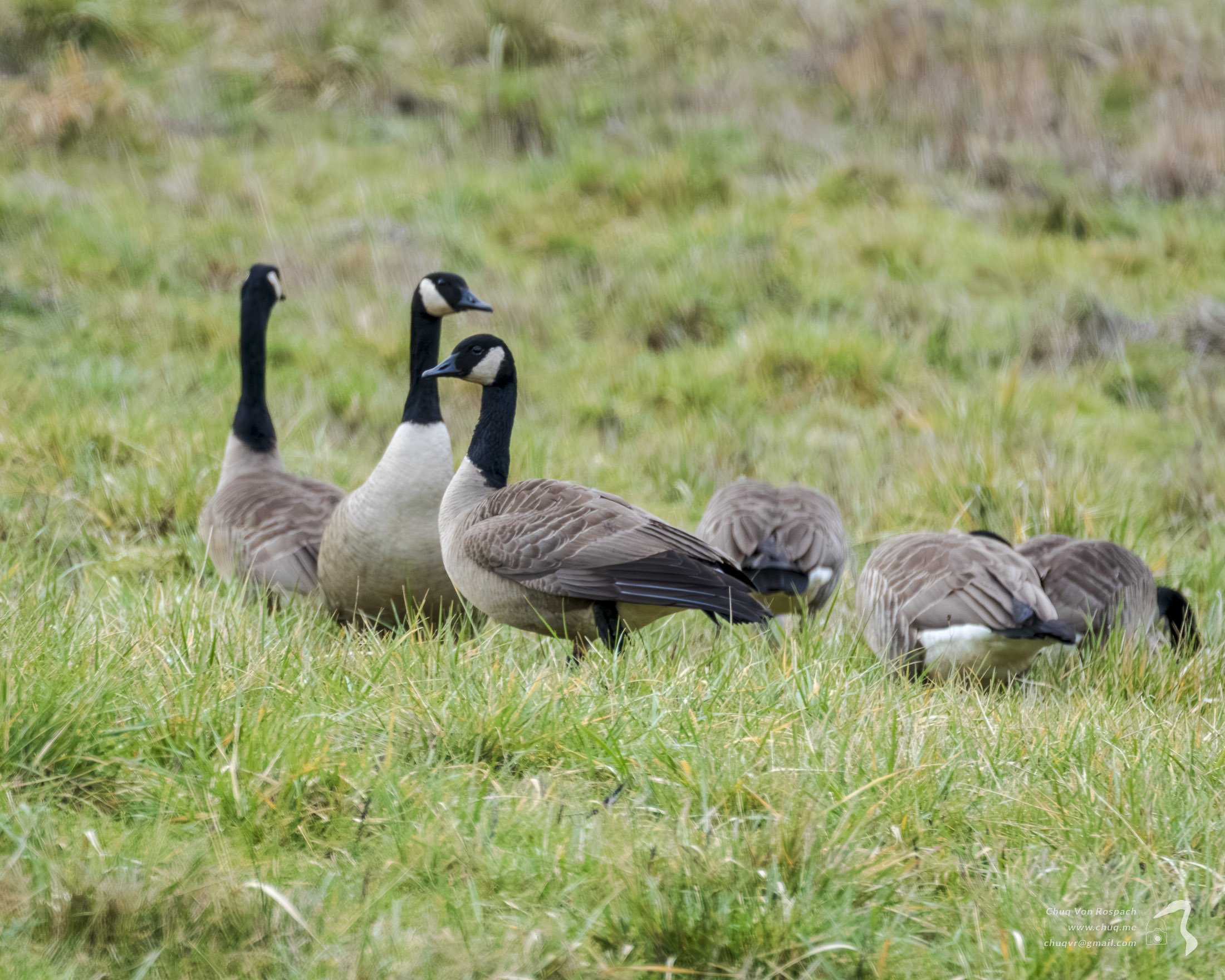
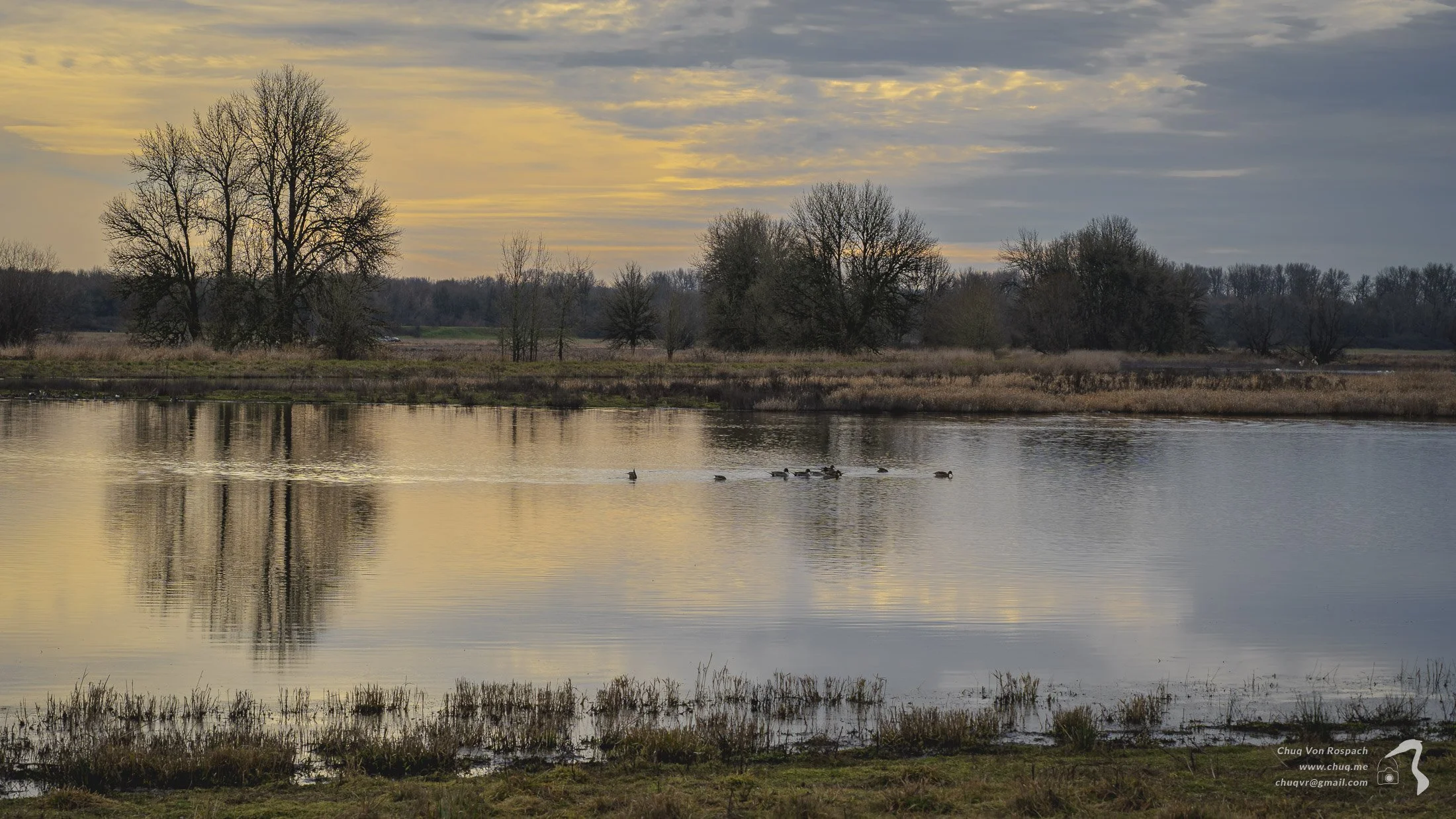
I just finished my annual winter visit to Ridgefield National Wildlife Refuge. I try to get there 2 or 3 times a year, and when I can, will spend 2 or three days in the area birding and doing photography. This trip was two nights and allowed me a day and a half on the refuge. I ended up running the River S auto tour route four times. It was a very productive trip with a lot of varied weather. I drove into Ridgefield, which is about two and a half hours from Silverdale (just long enough that I prefer an overnight stay over day tripping) in heavy rain, which finally let up about ten miles away from the refuge, so when I arrived things were wet and the sky was overcast but conditions were overall pretty good. A trip around the tour is about 6 miles and I typically take about 90 minutes, depending on bird activity and conditions.
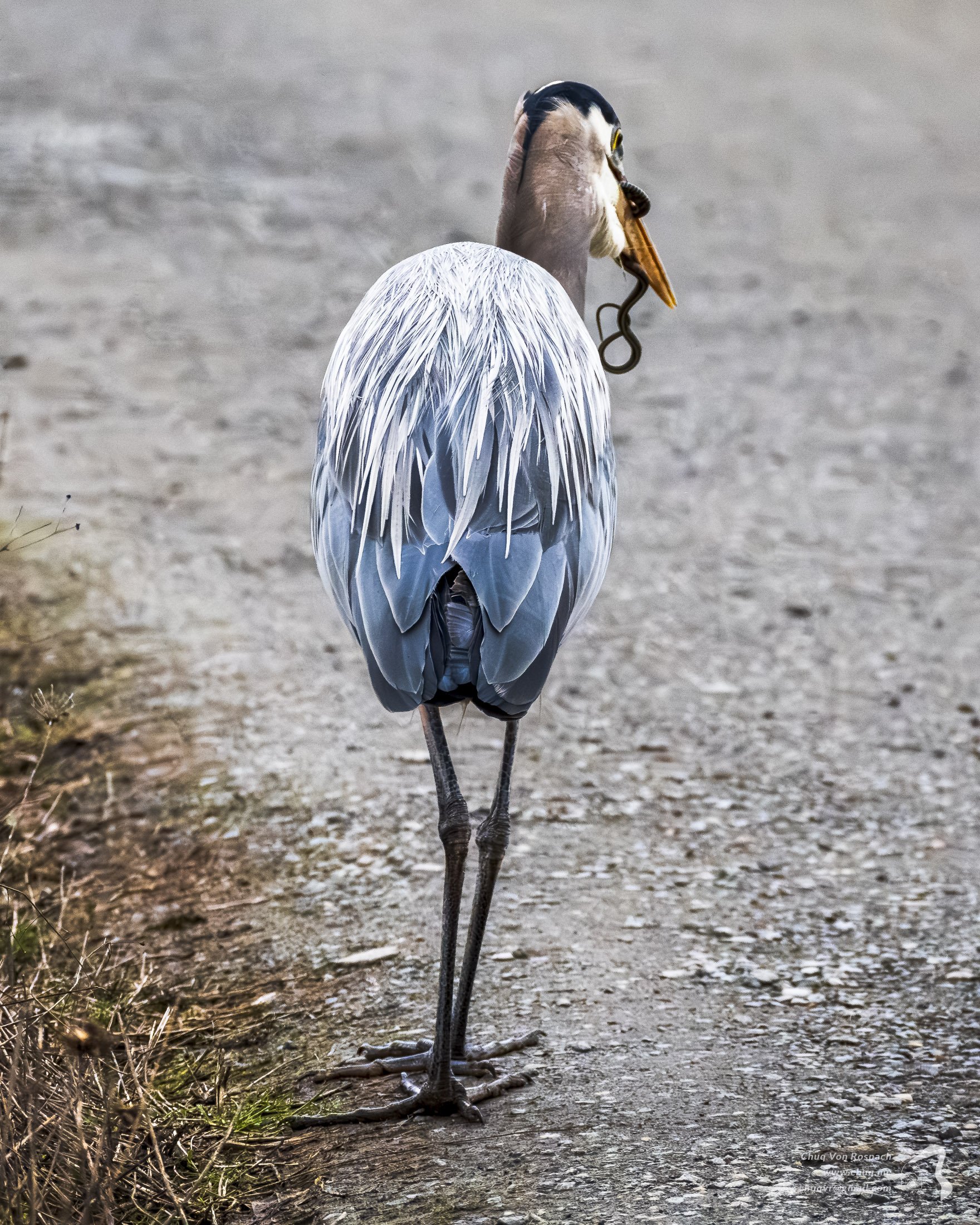
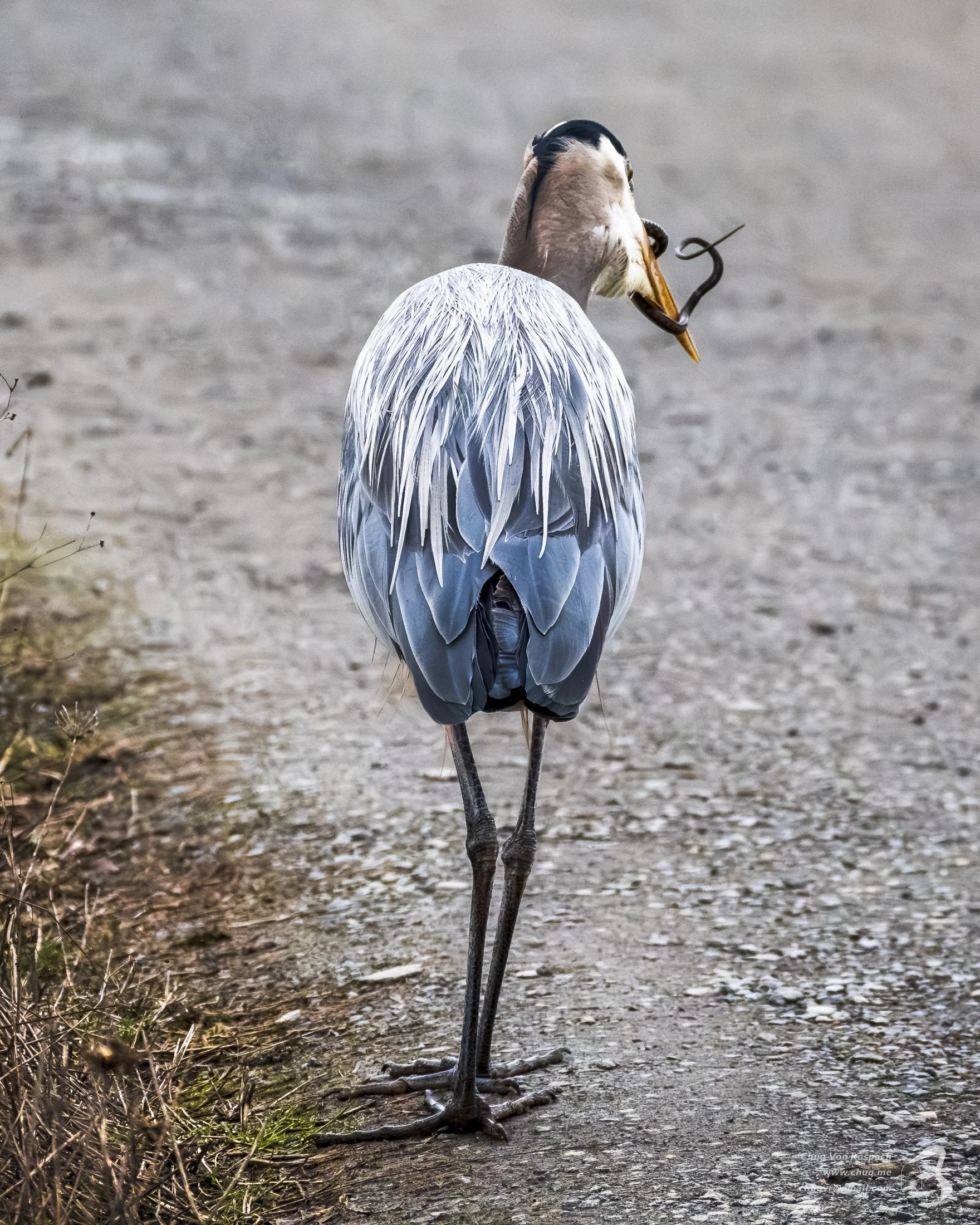
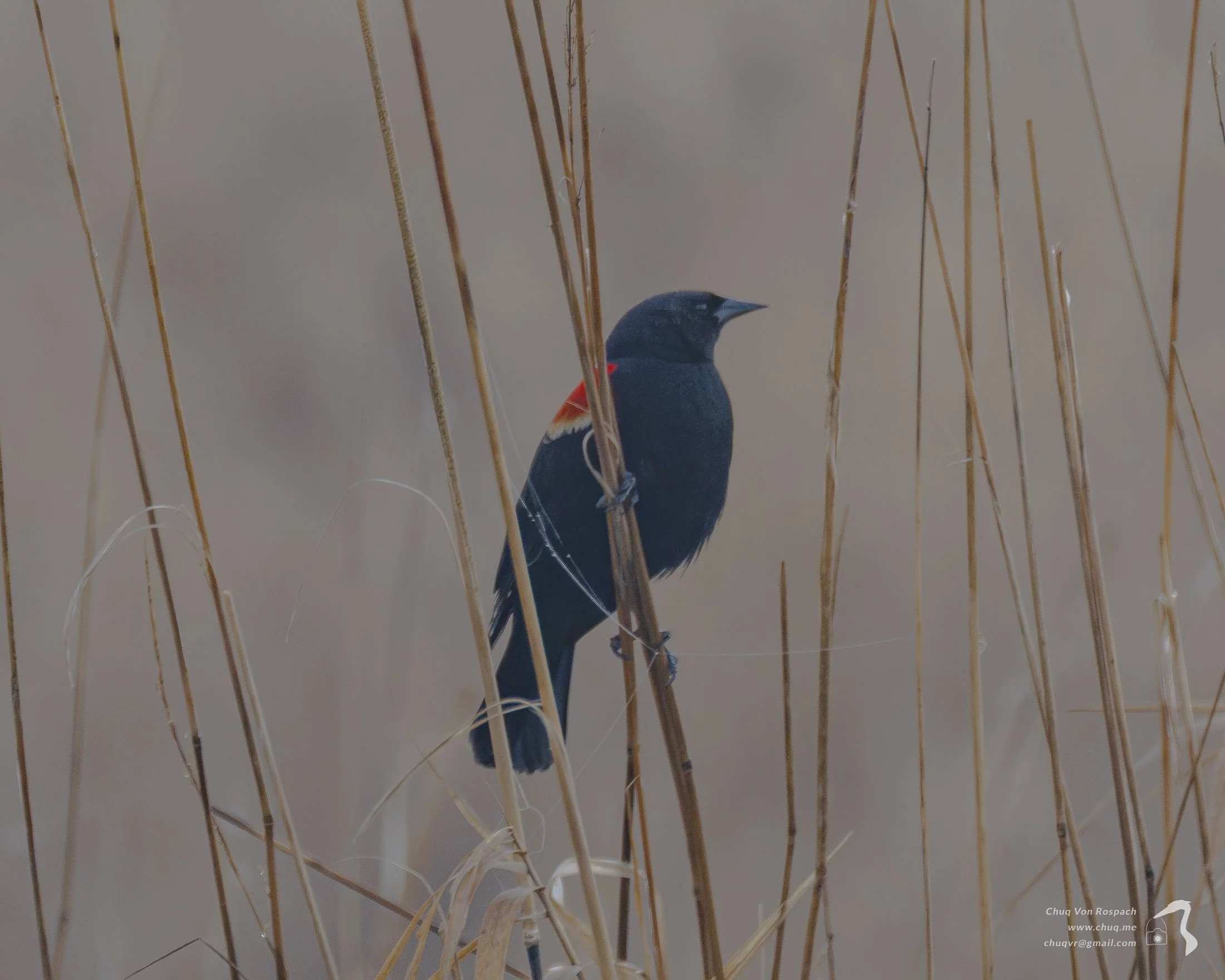
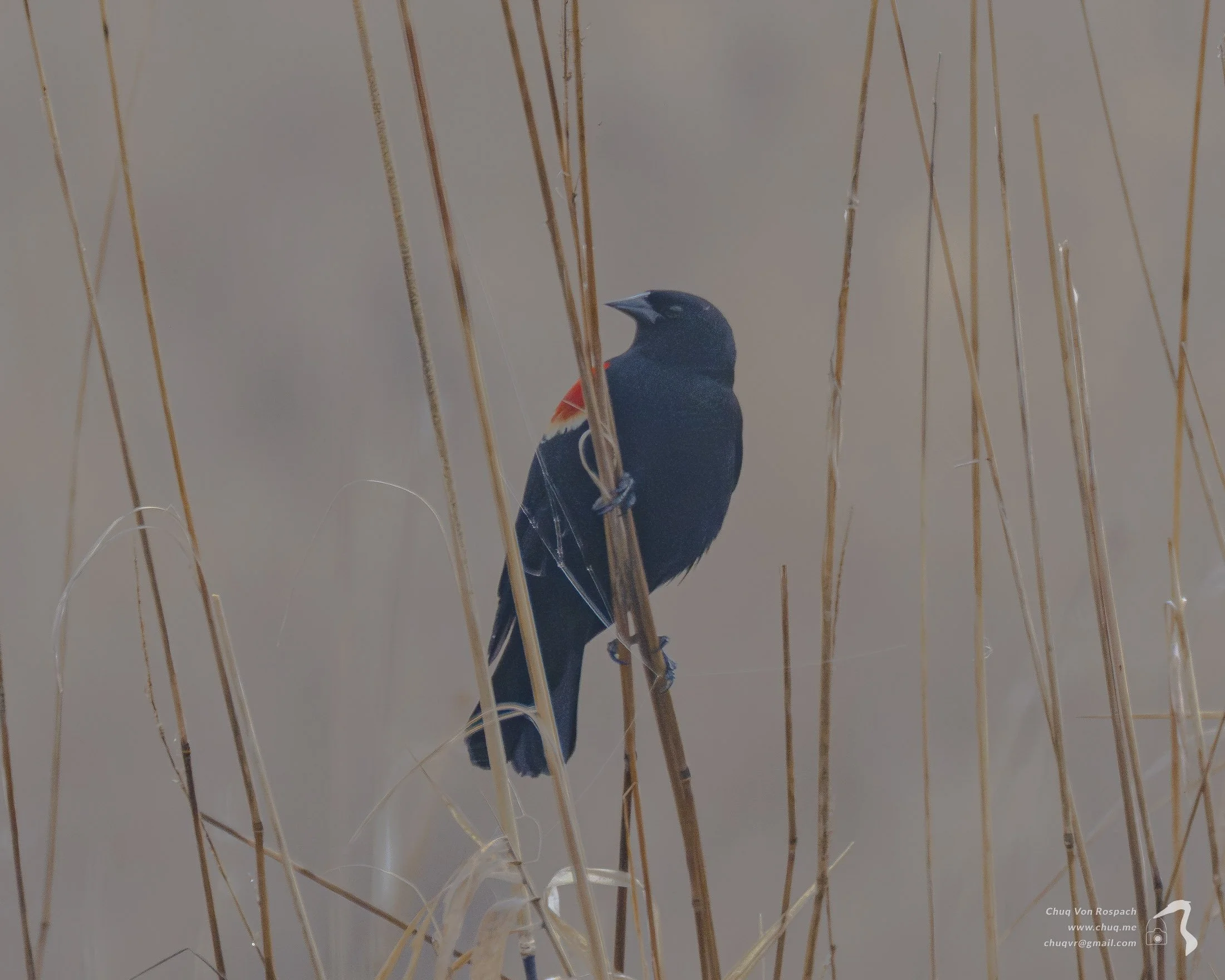
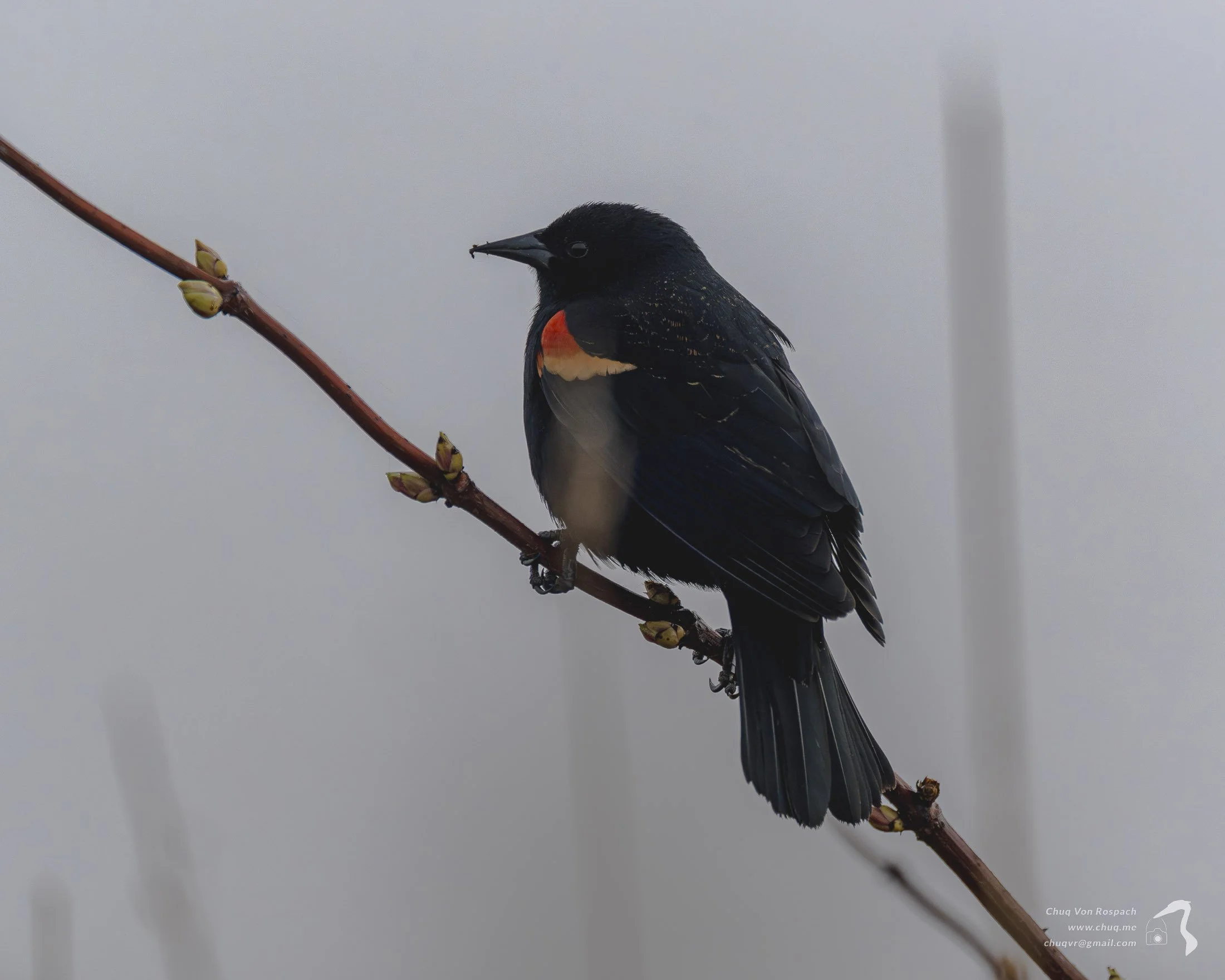
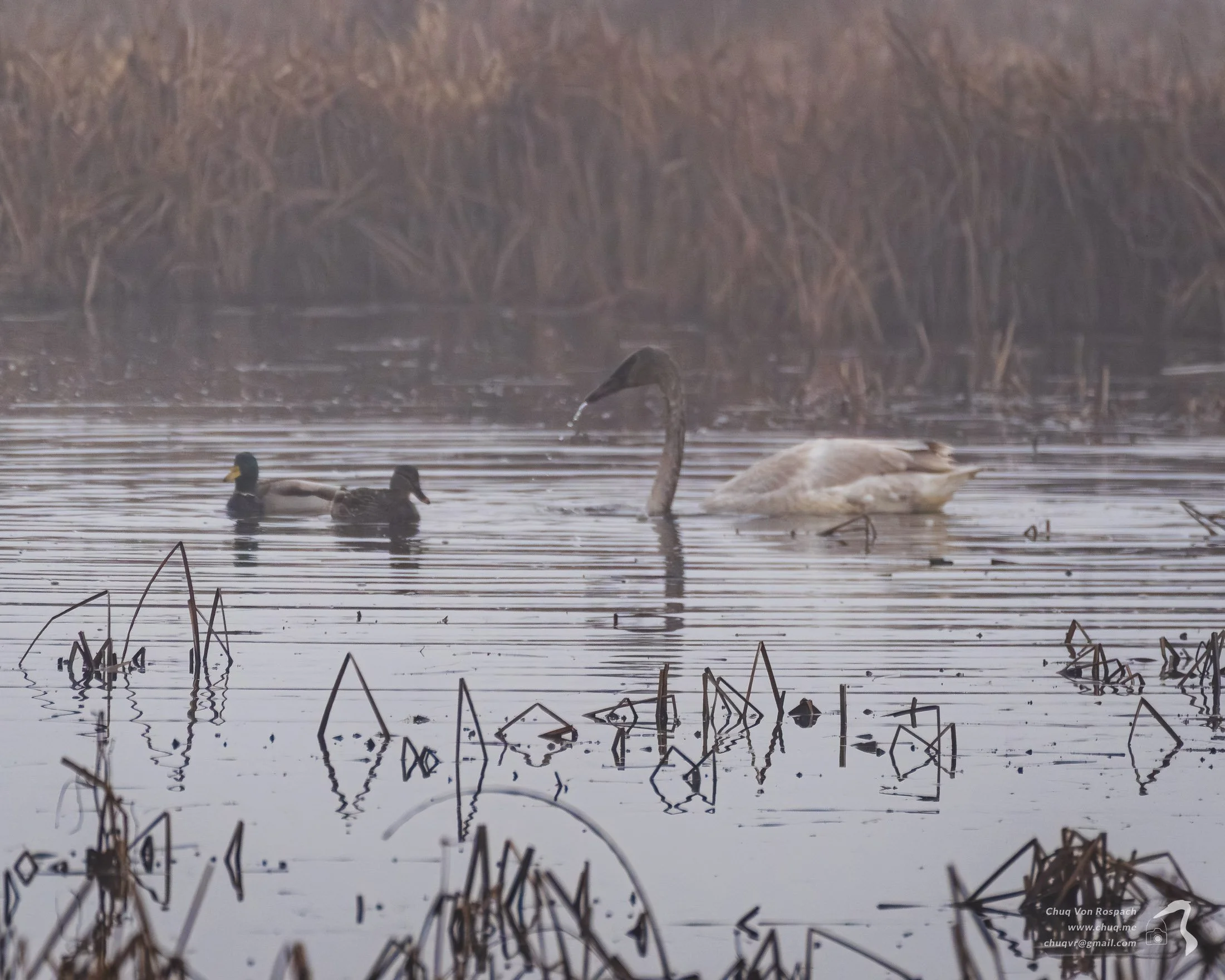
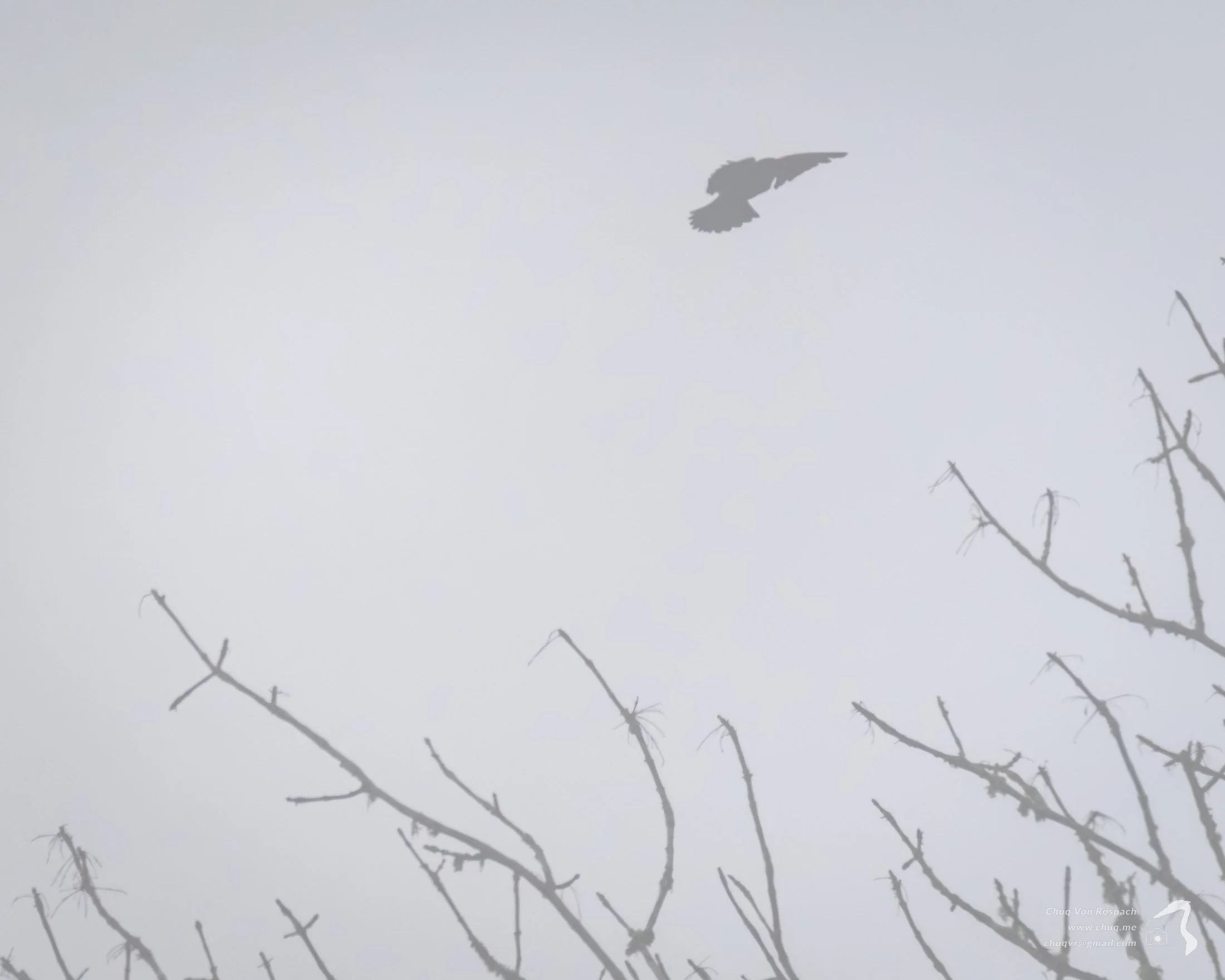
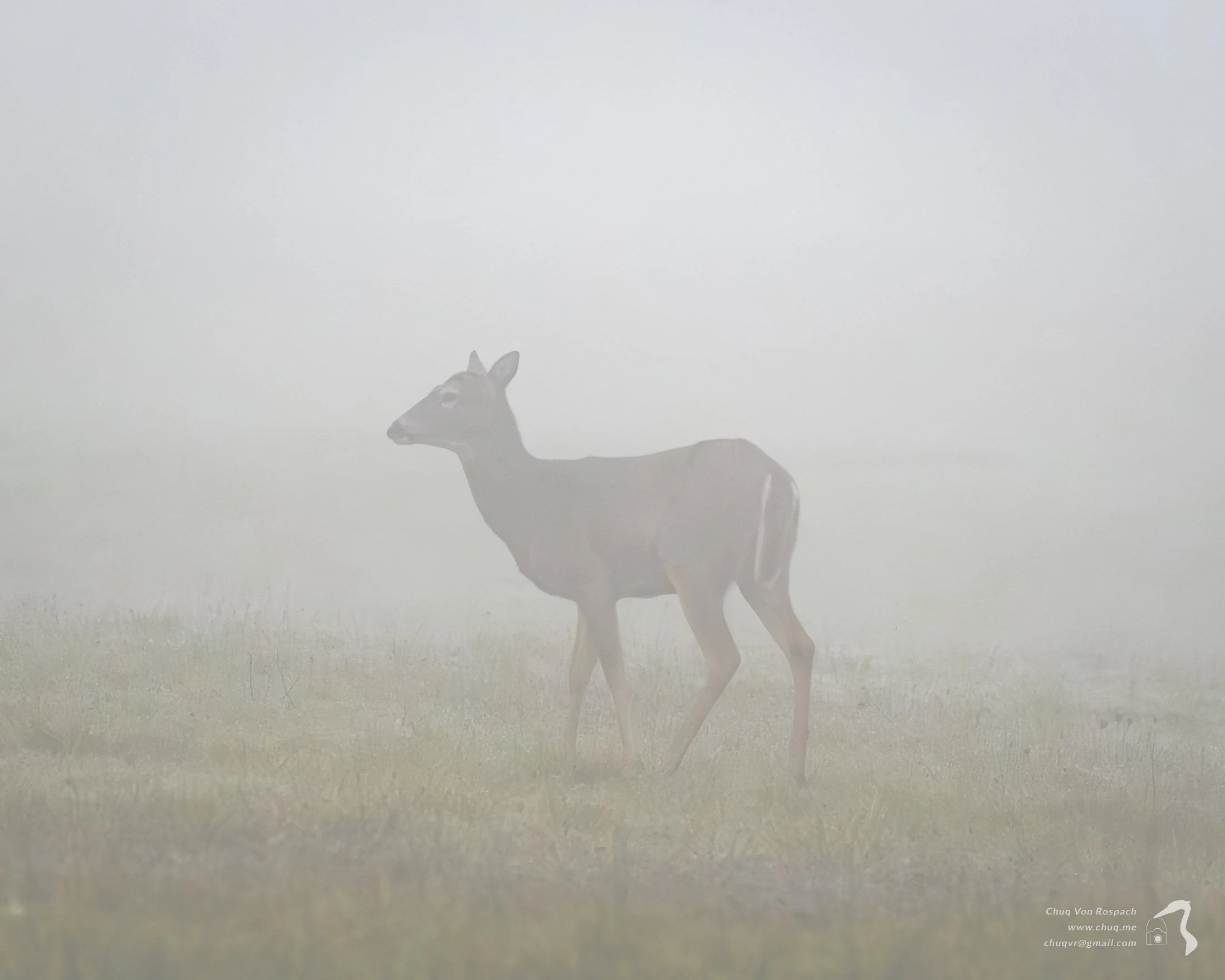
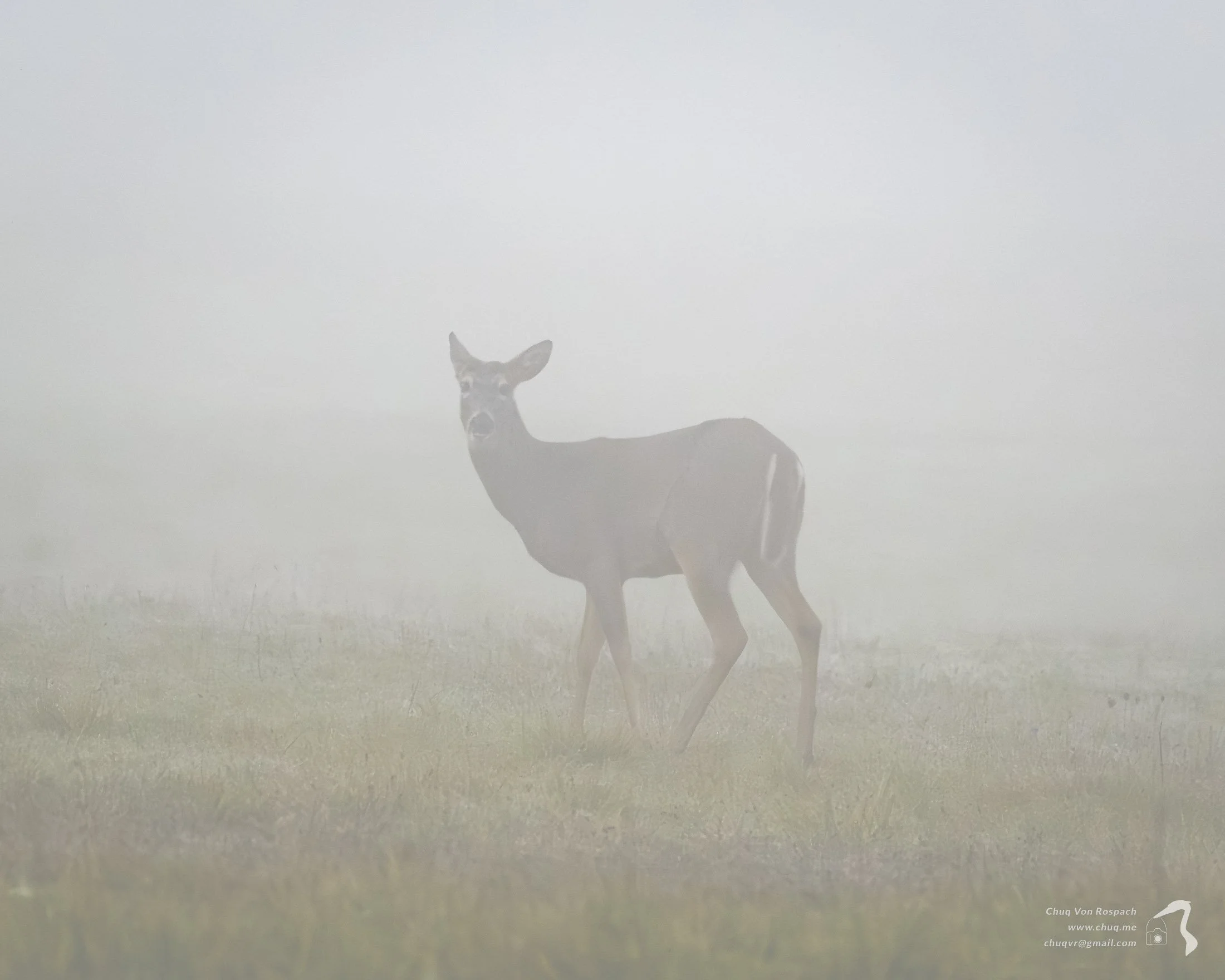
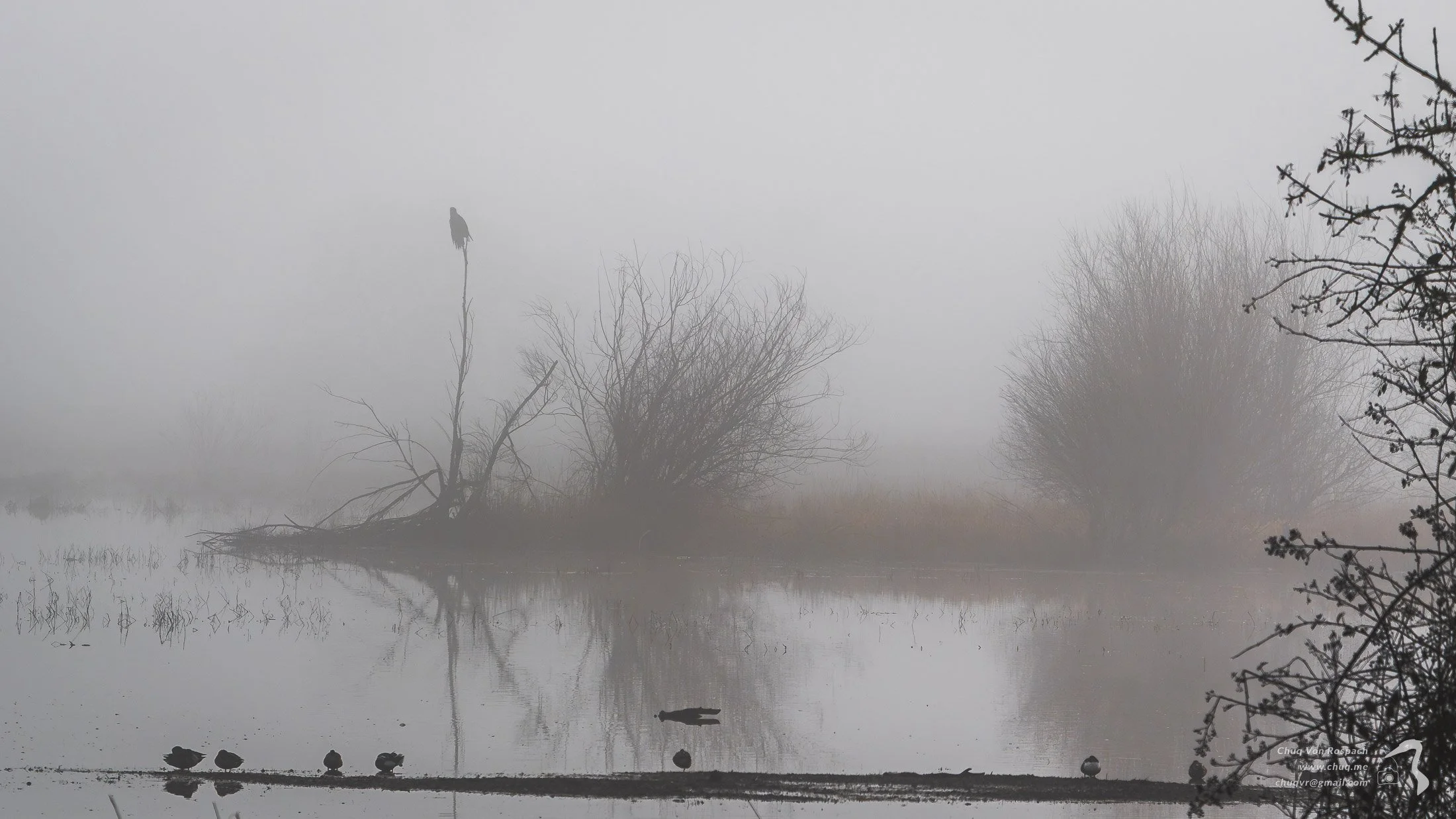
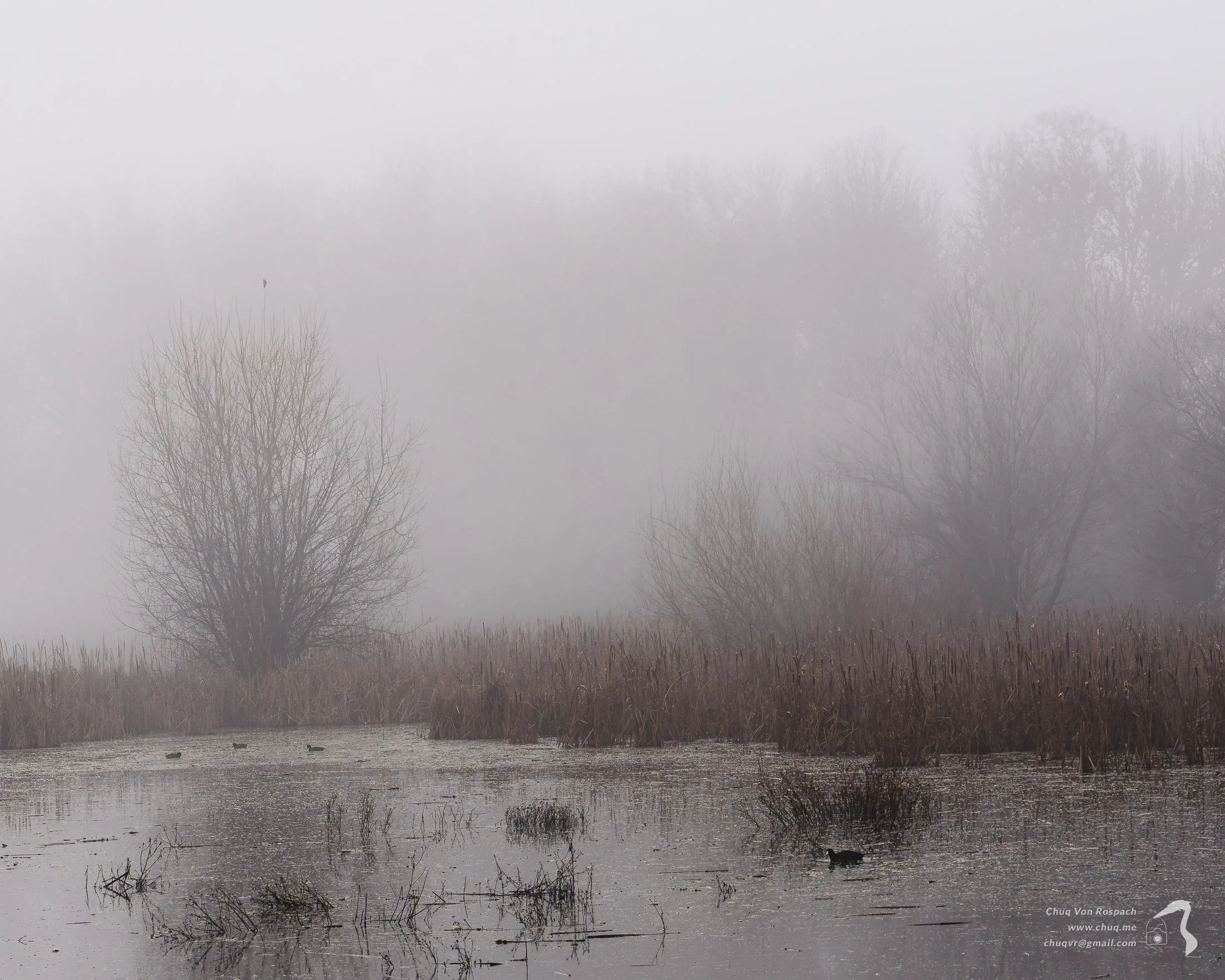
I woke up the next morning to heavy fog. I was staying about 20 minutes away, and when I arrived the fog was still heavy. I know many bird photographers that would pack up the gear and go find a coffee, but I saw it as a chance to look for unusual images. I think I succeeded, and as I worked the route the fog slowly started to lift. By the time I finished it was gone and we were into mostly sunny and warm-ish (low 50’s F) temperature, so I ran the route a second time. After that, it was a break for lunch and a bit of exploring — I drove down to Camas and back, but there was no significant birding or photography. In the afternoon, I did the route one more time, and by then we were back to mostly cloudy weather, so the conditions on each trip through were quite different.
I normally would have run the route one more time the final morning, but the route was closed for maintenance — lots of potholes needed to be fixed — so I did some exploring down around Vancouver Lake, and then headed home.
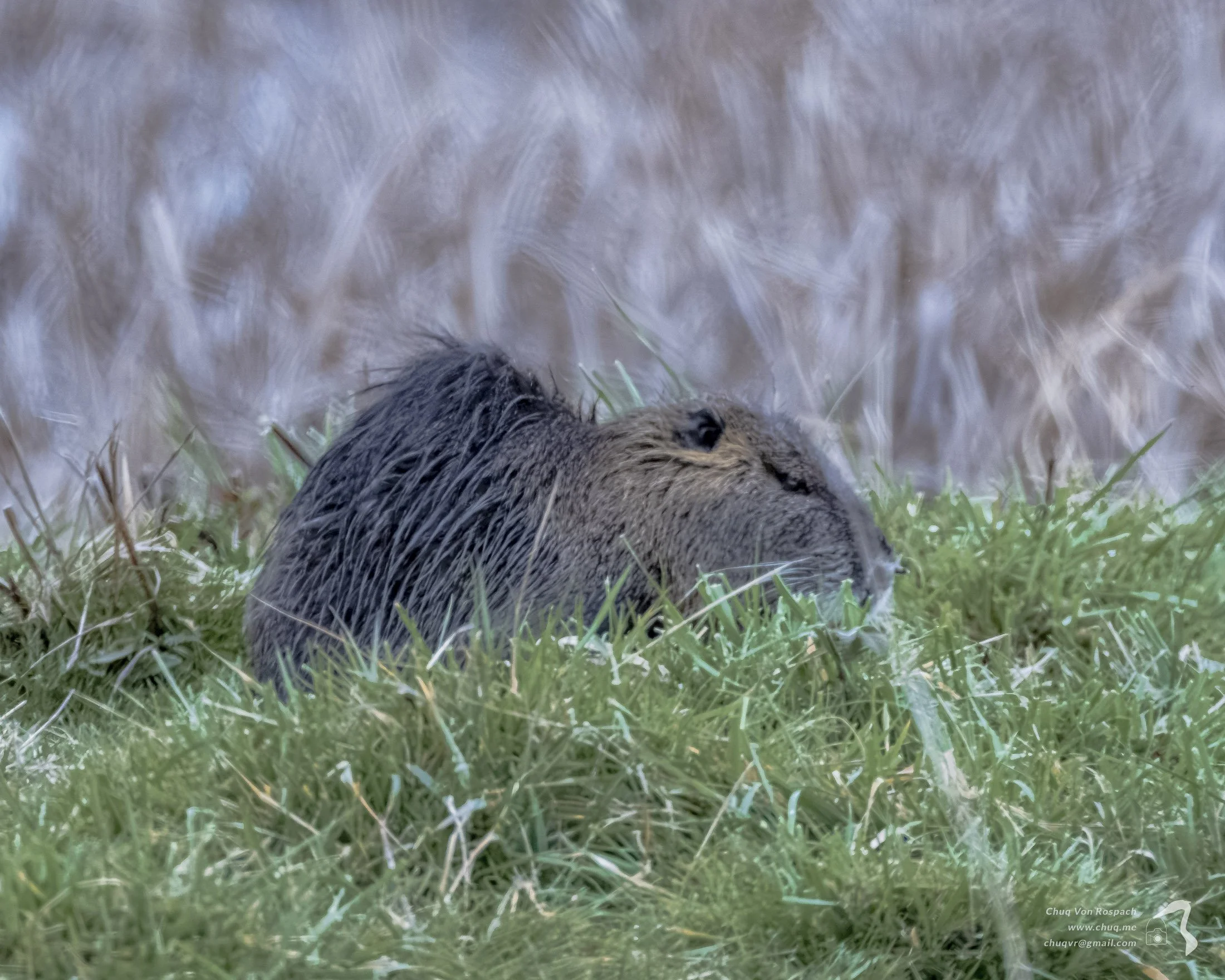
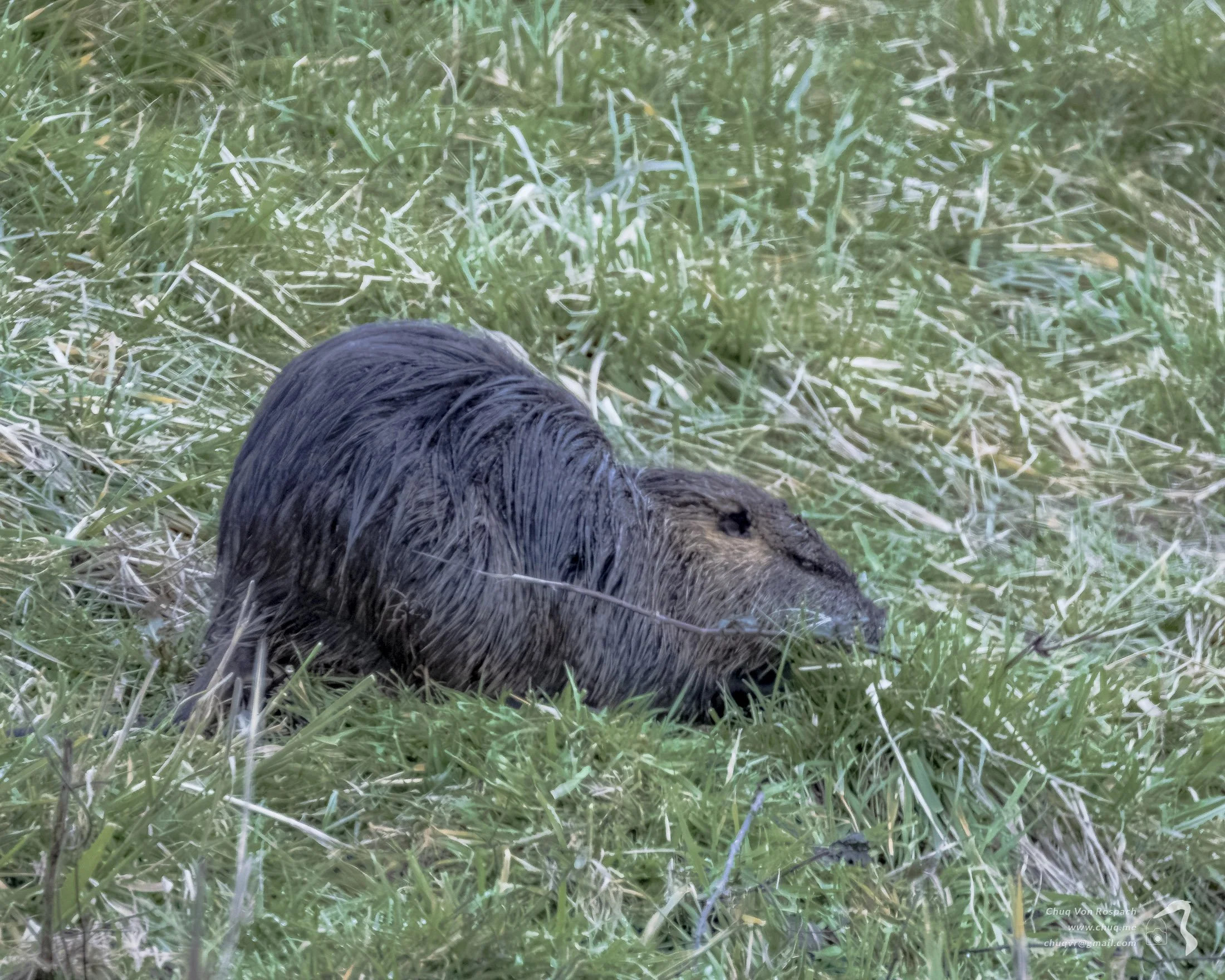
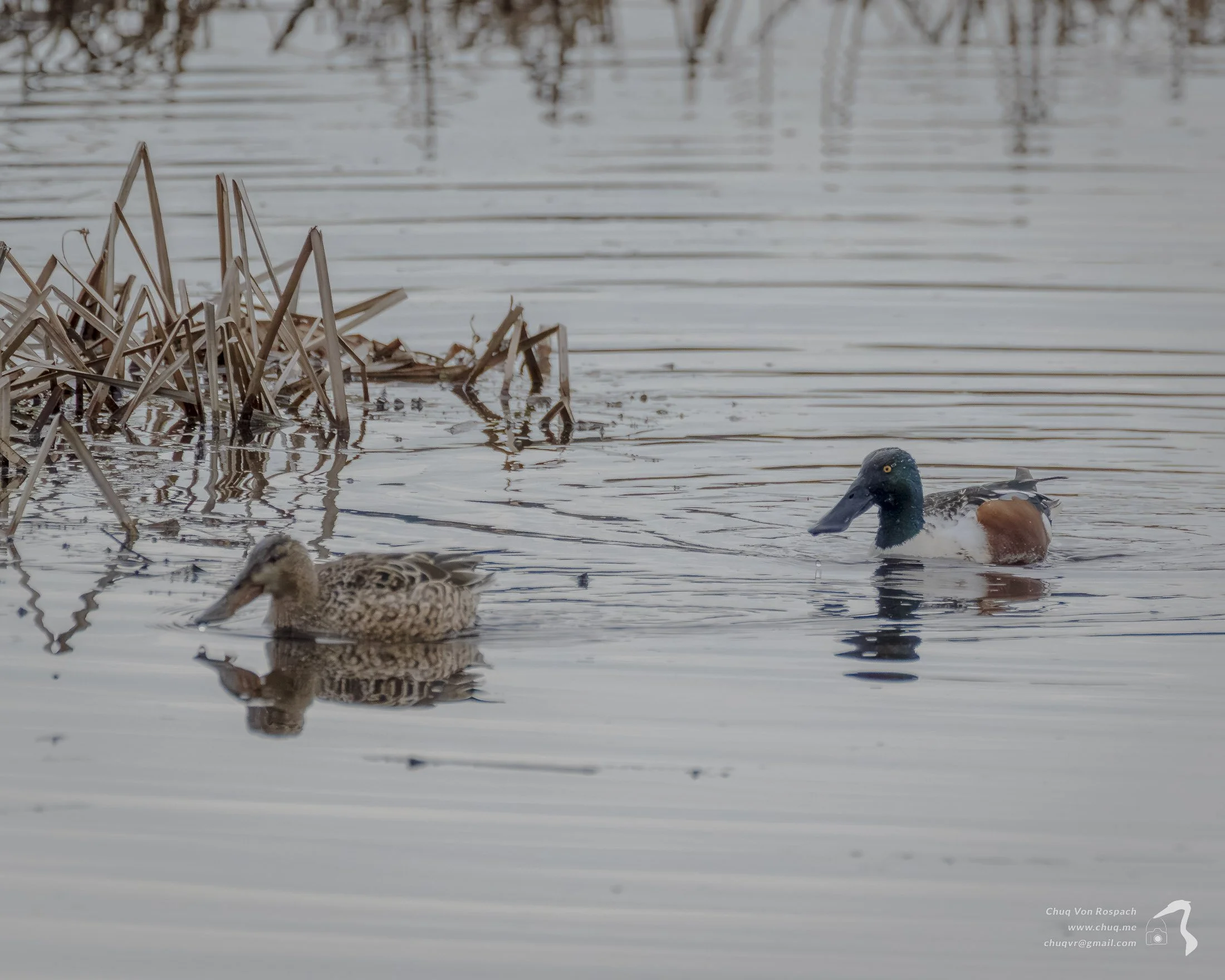
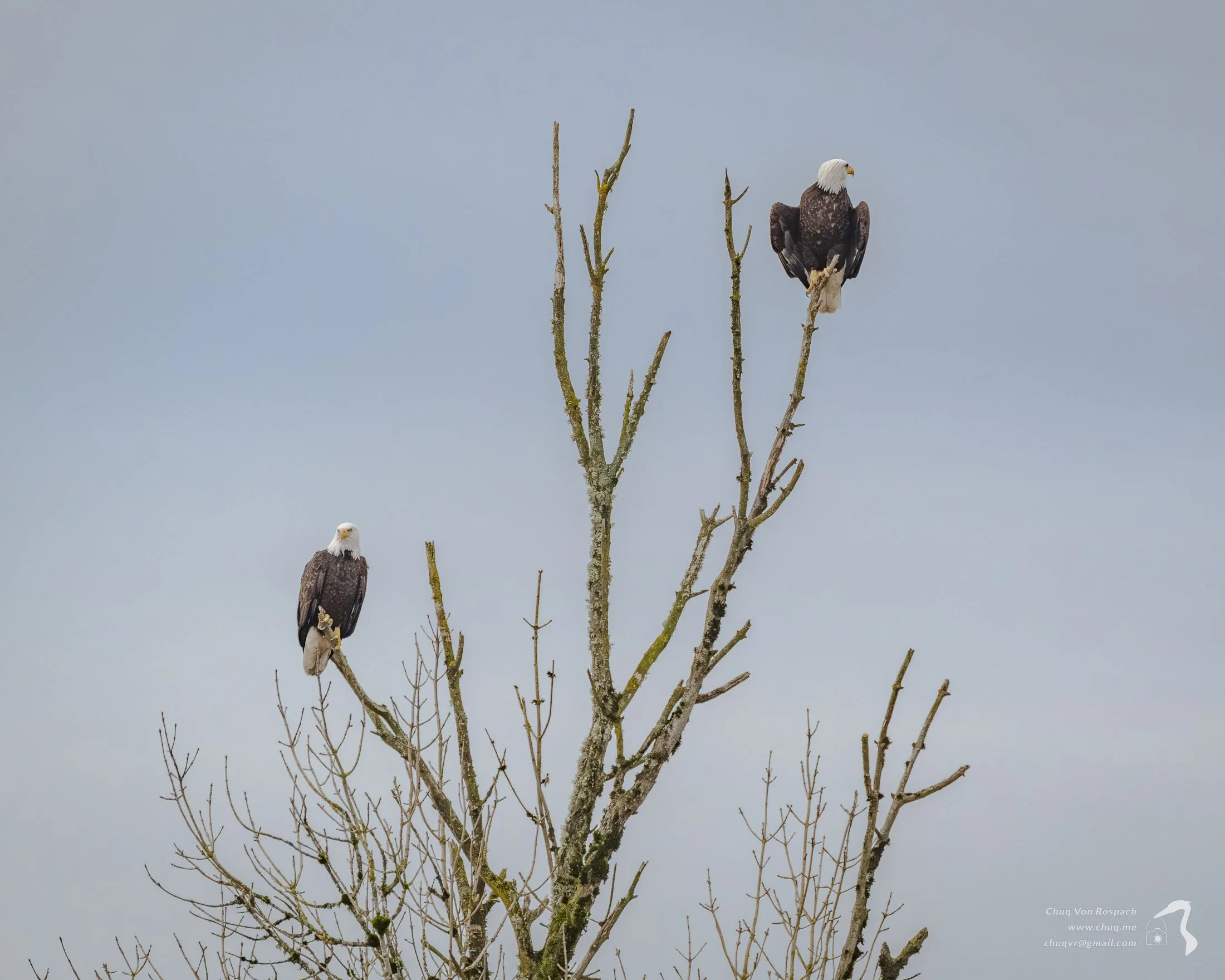
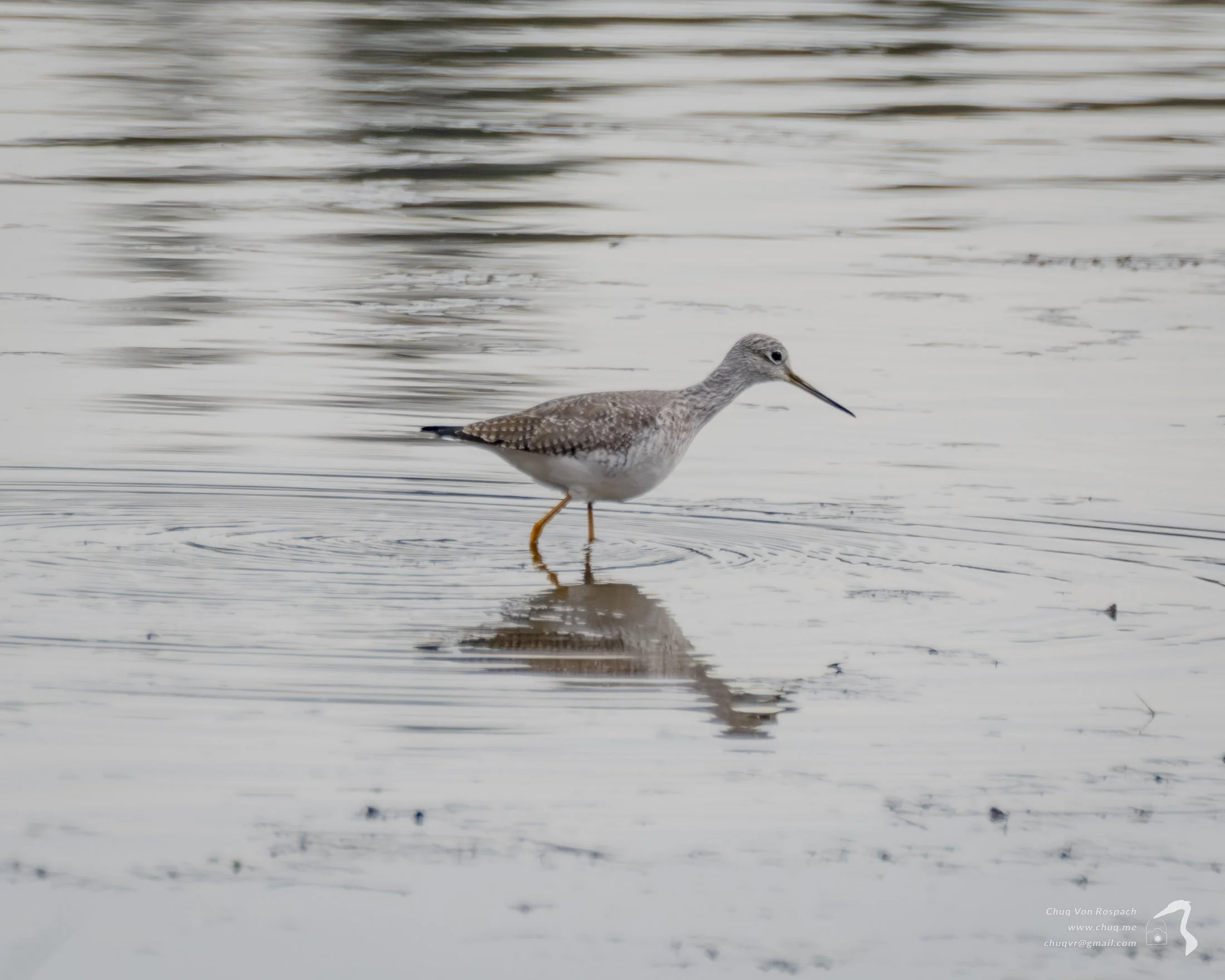
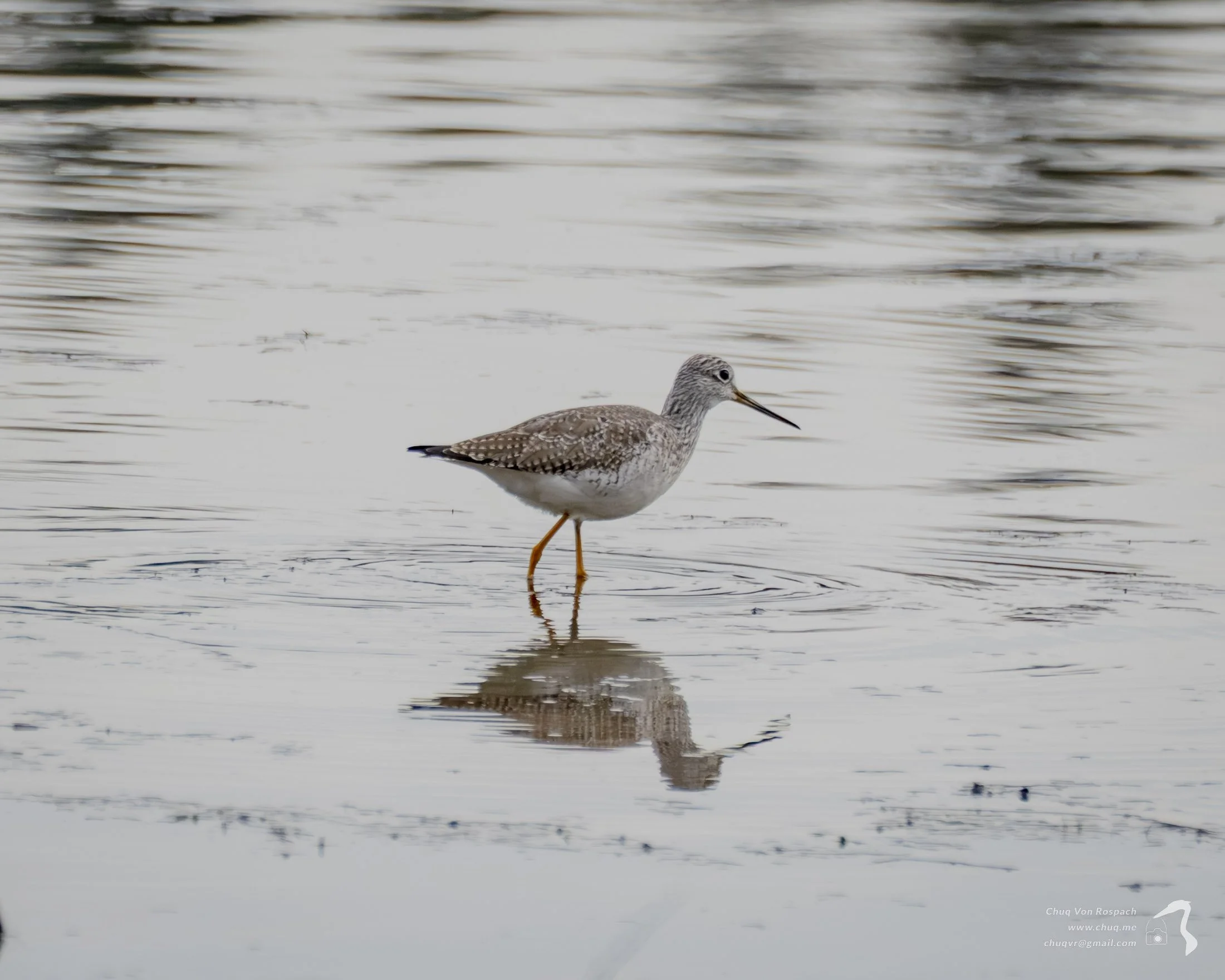
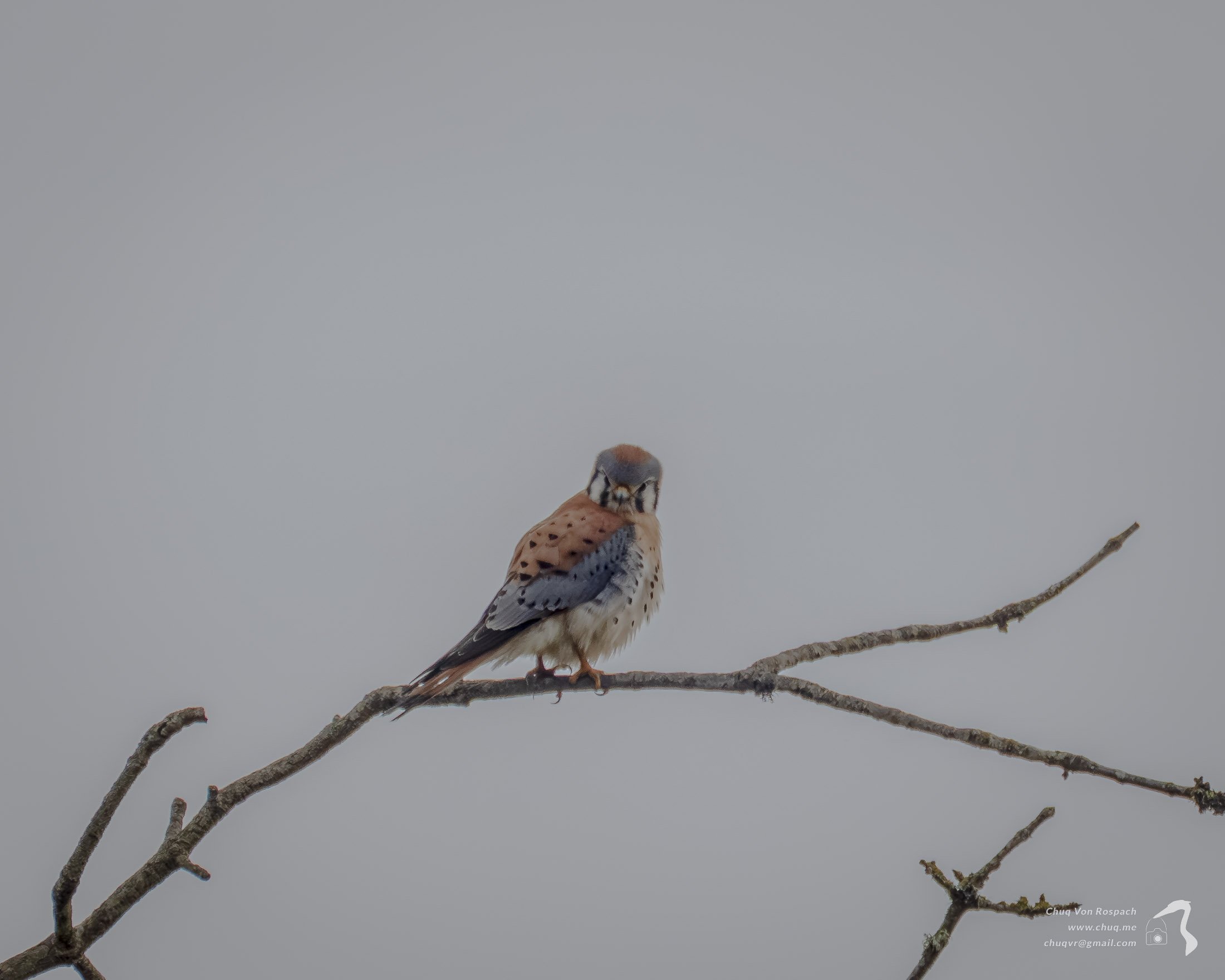
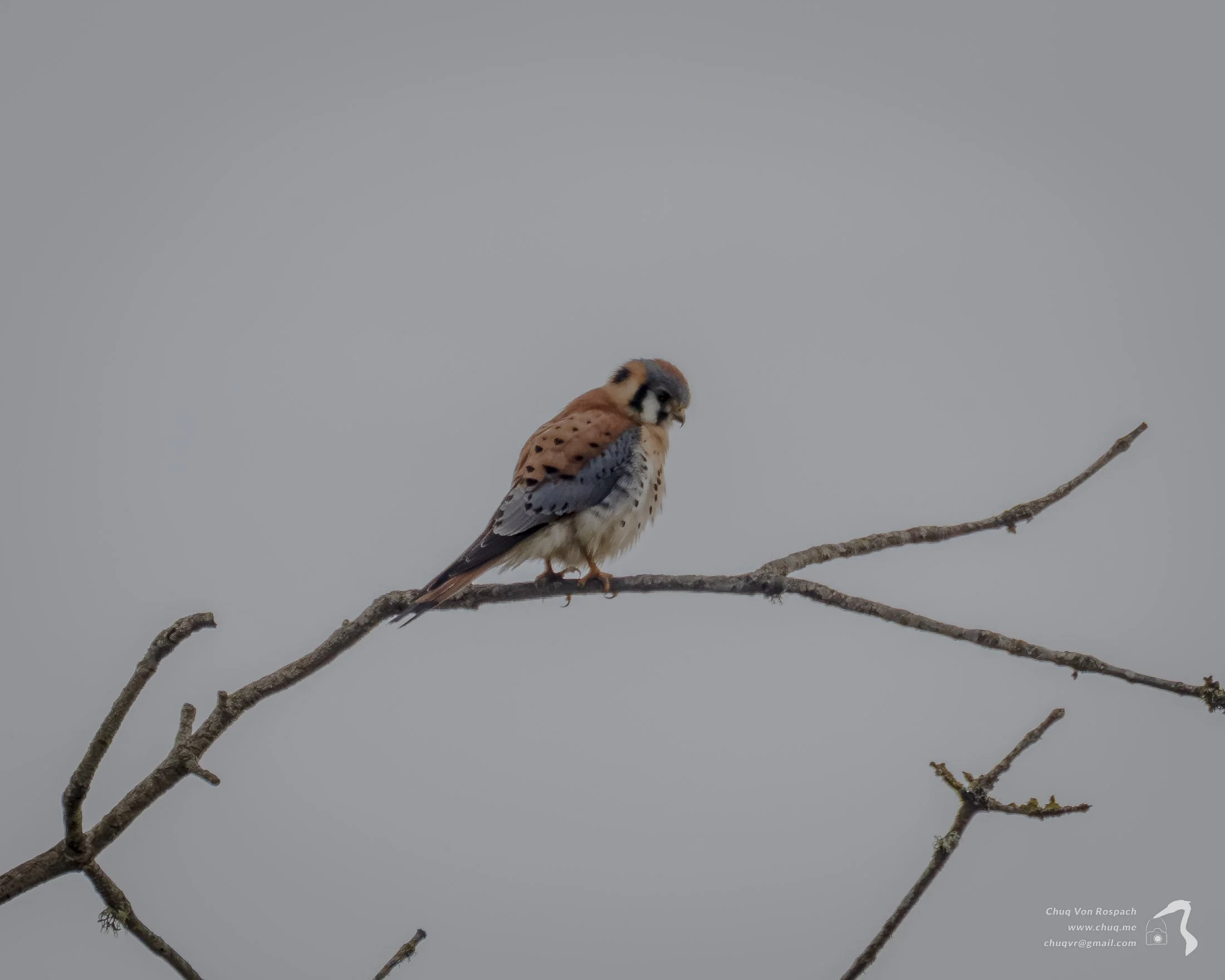
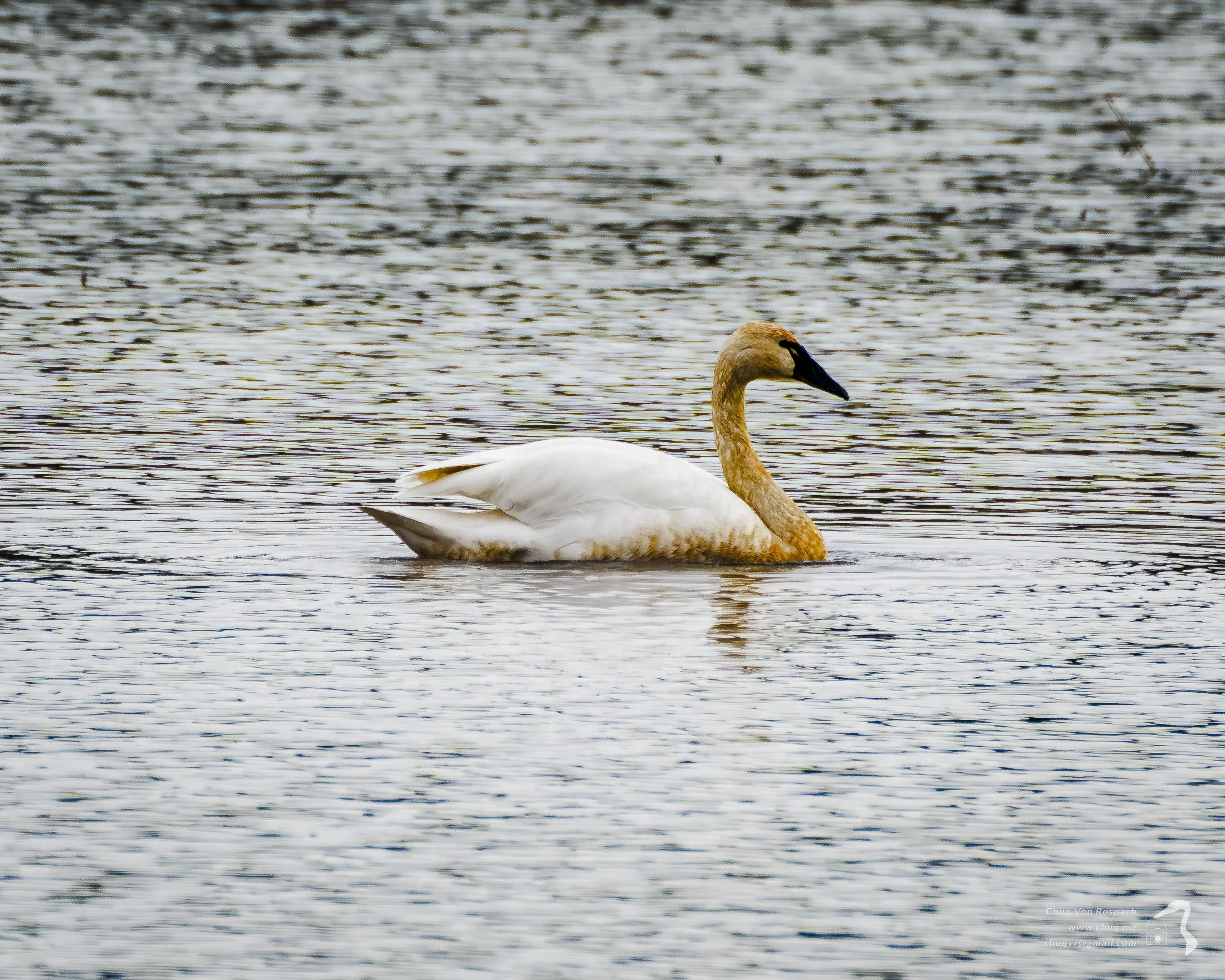
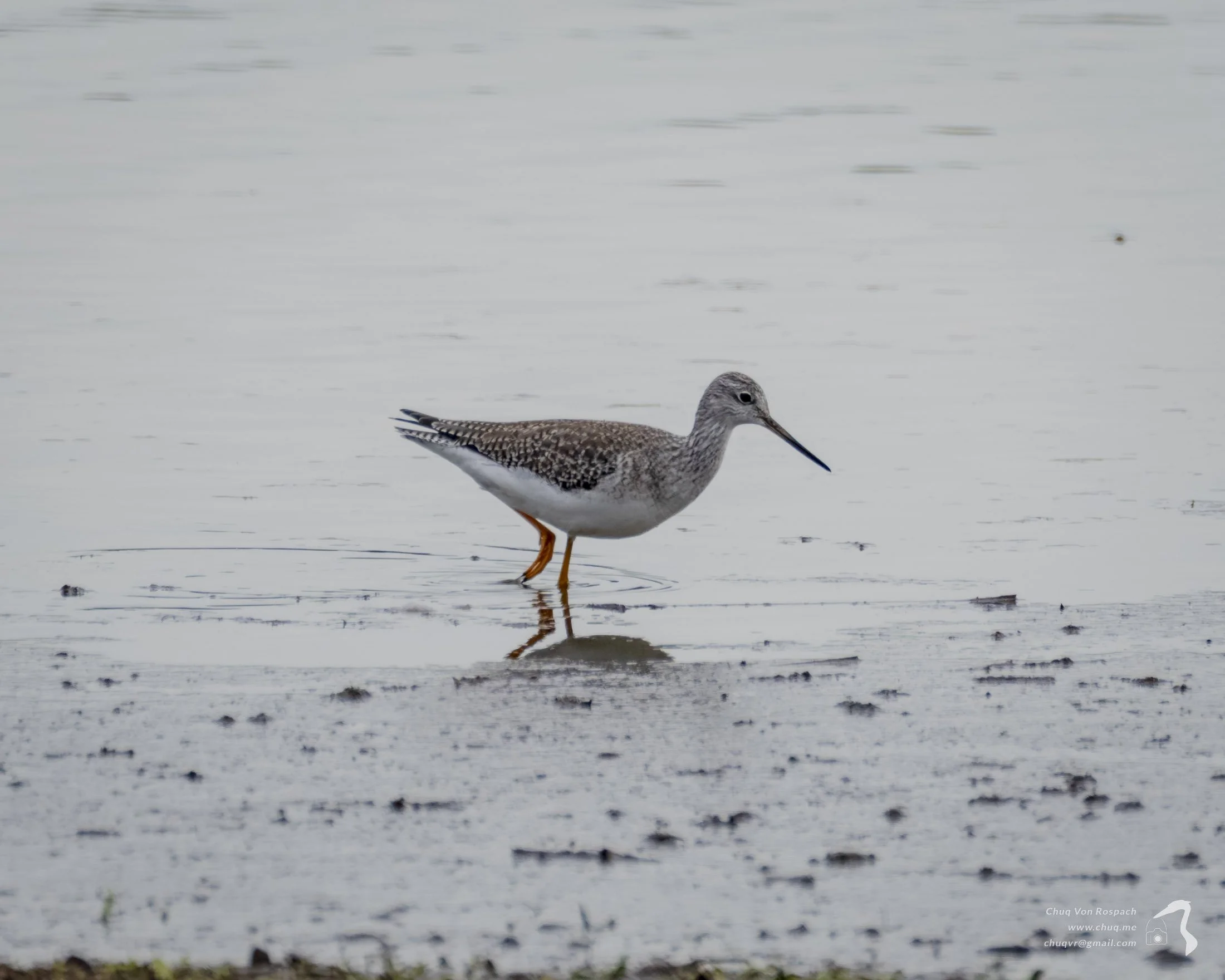
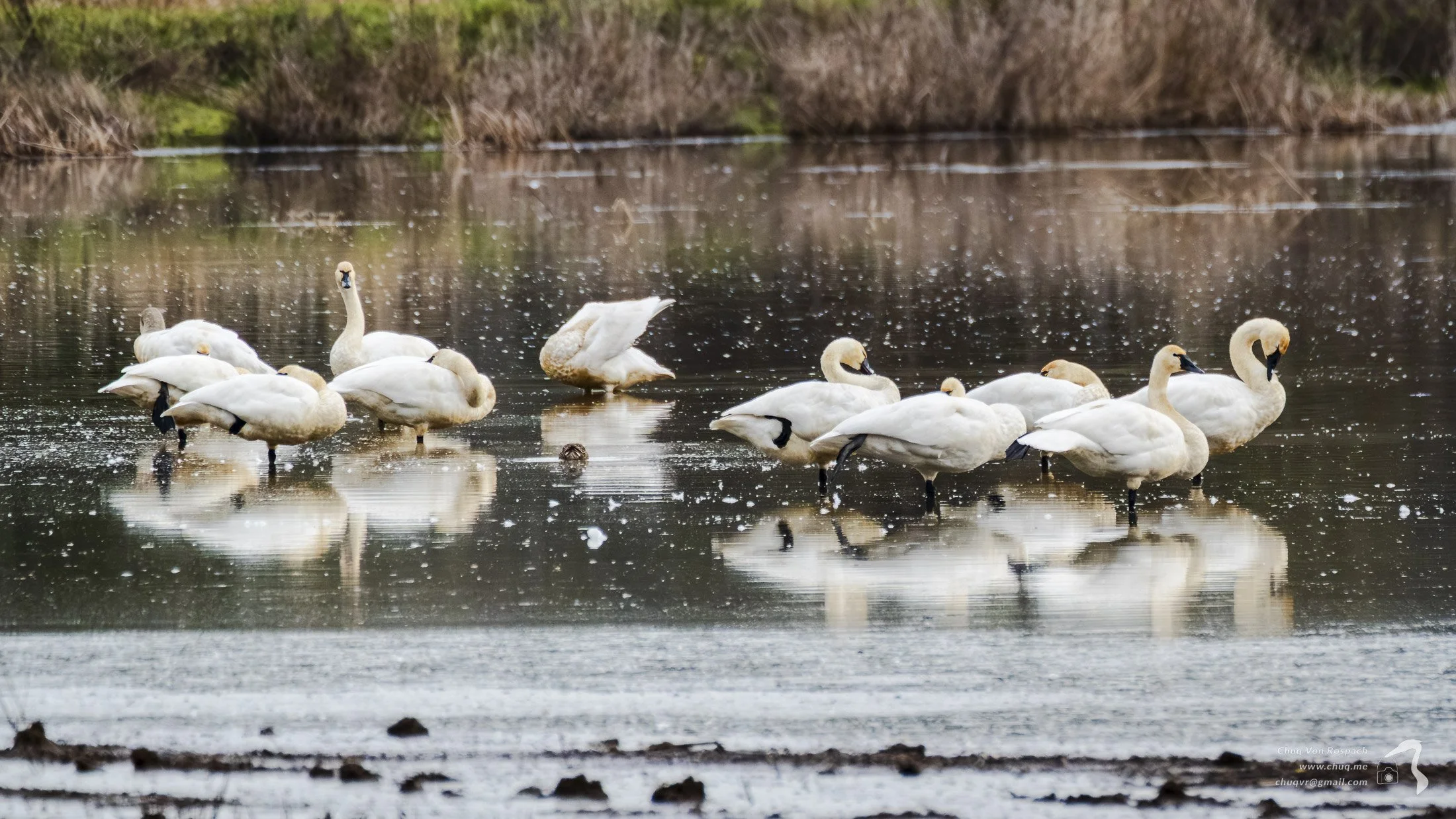
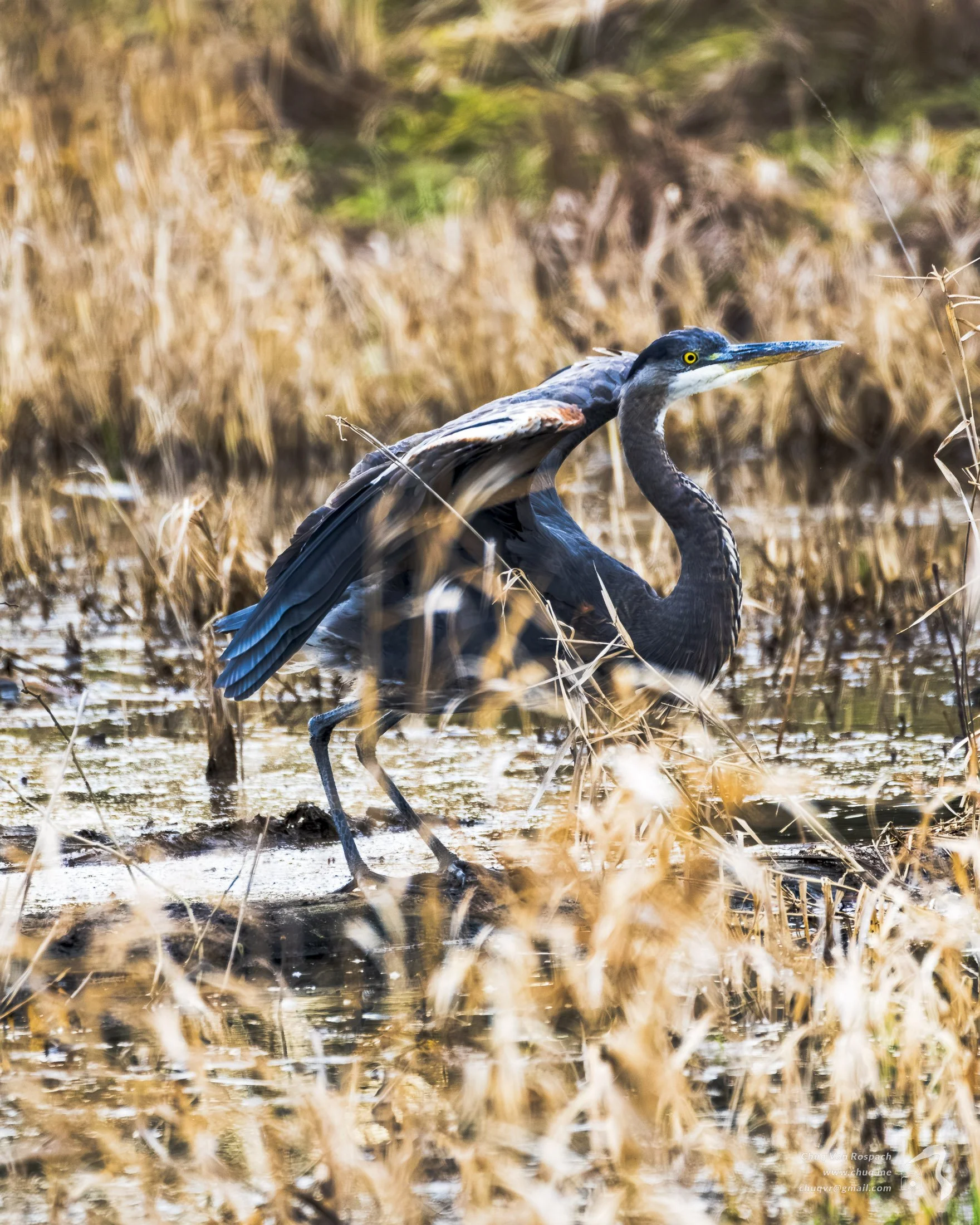
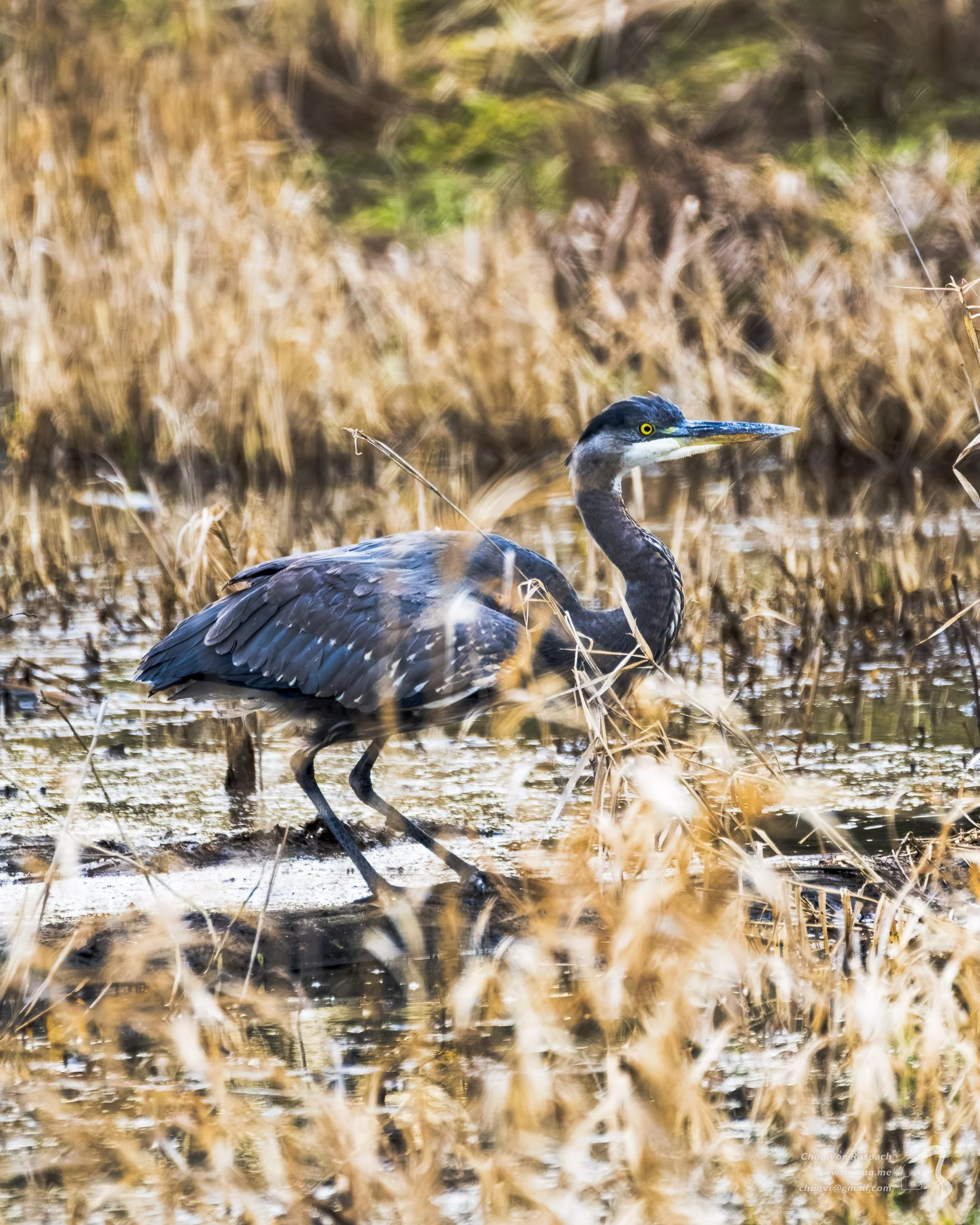
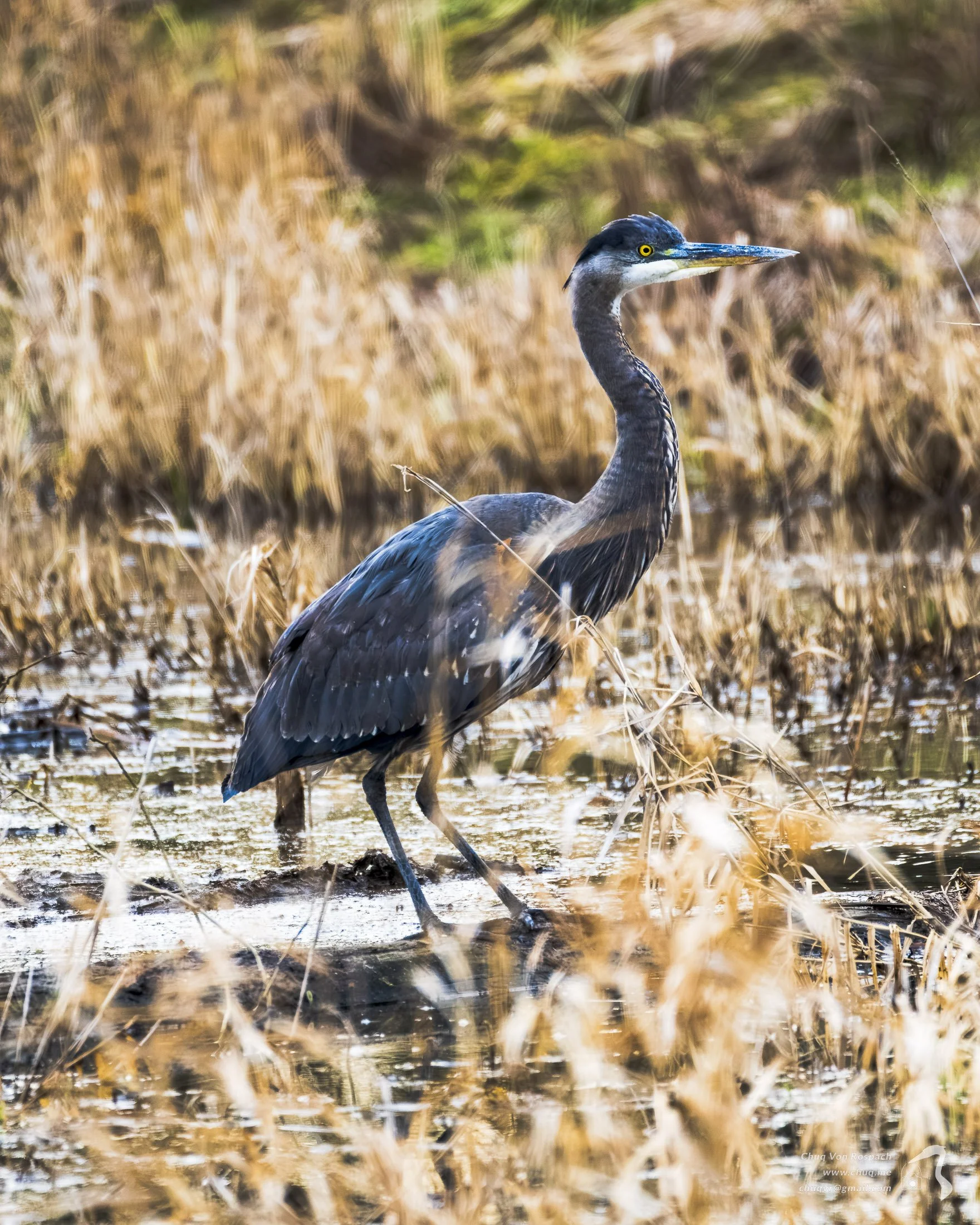
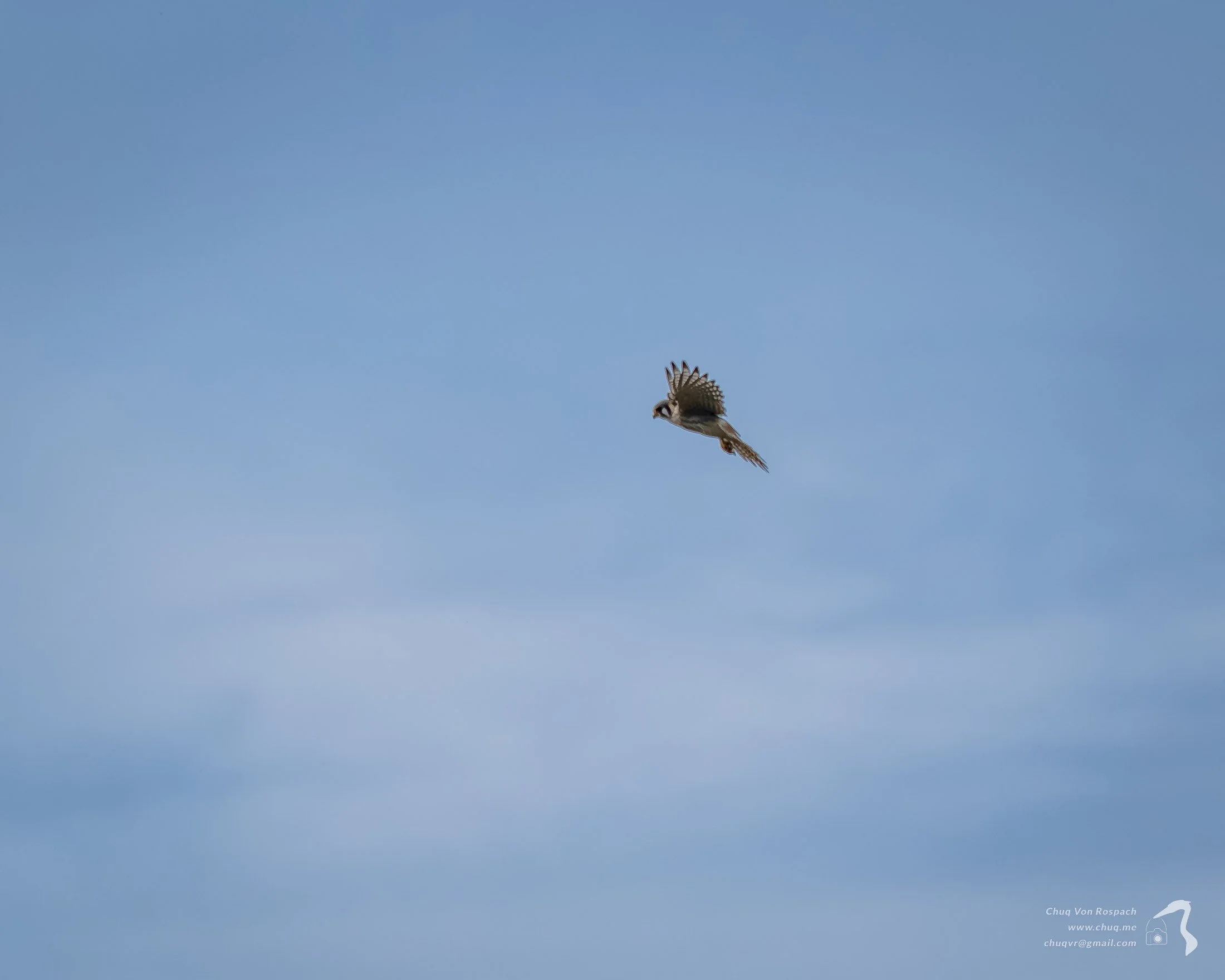
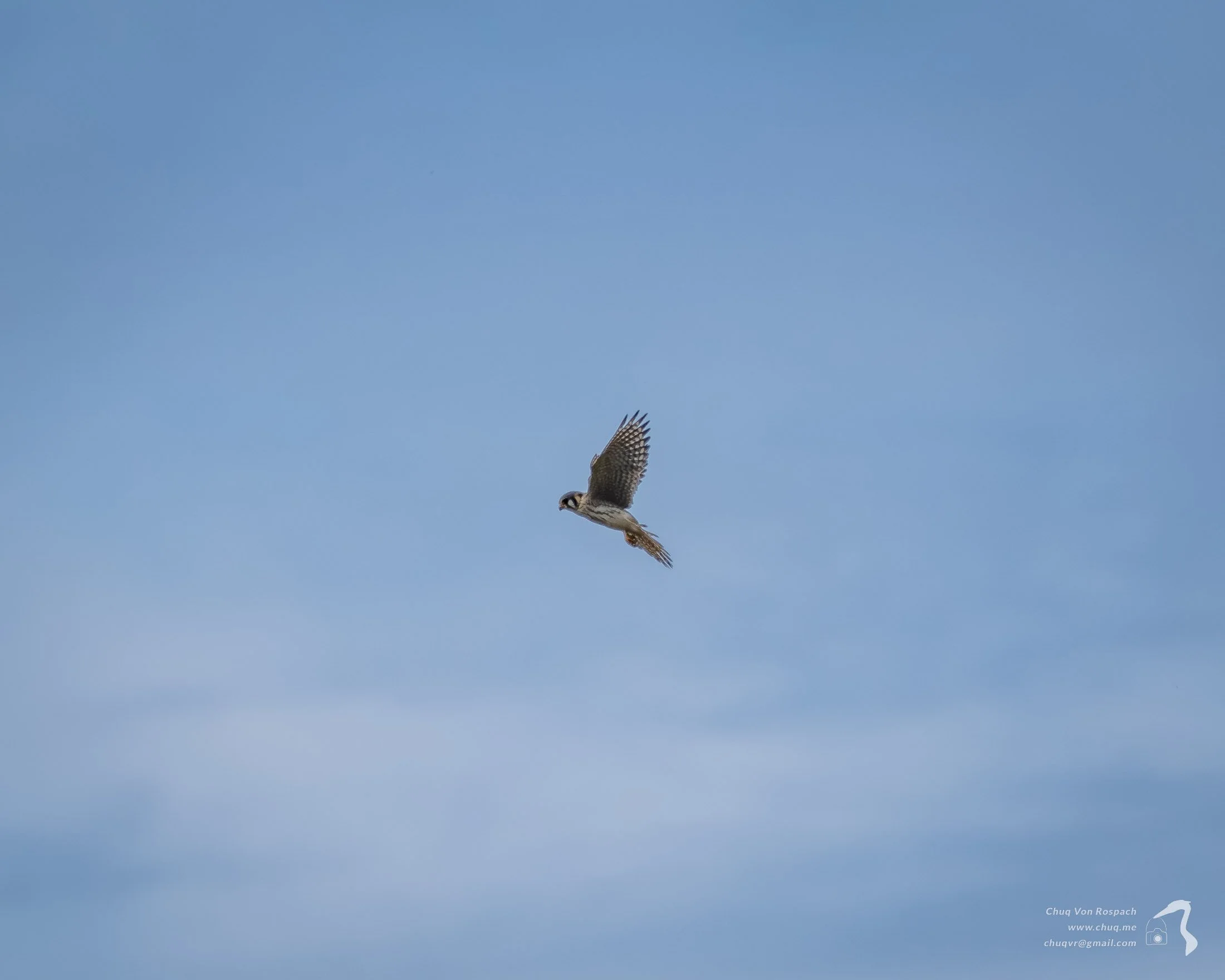
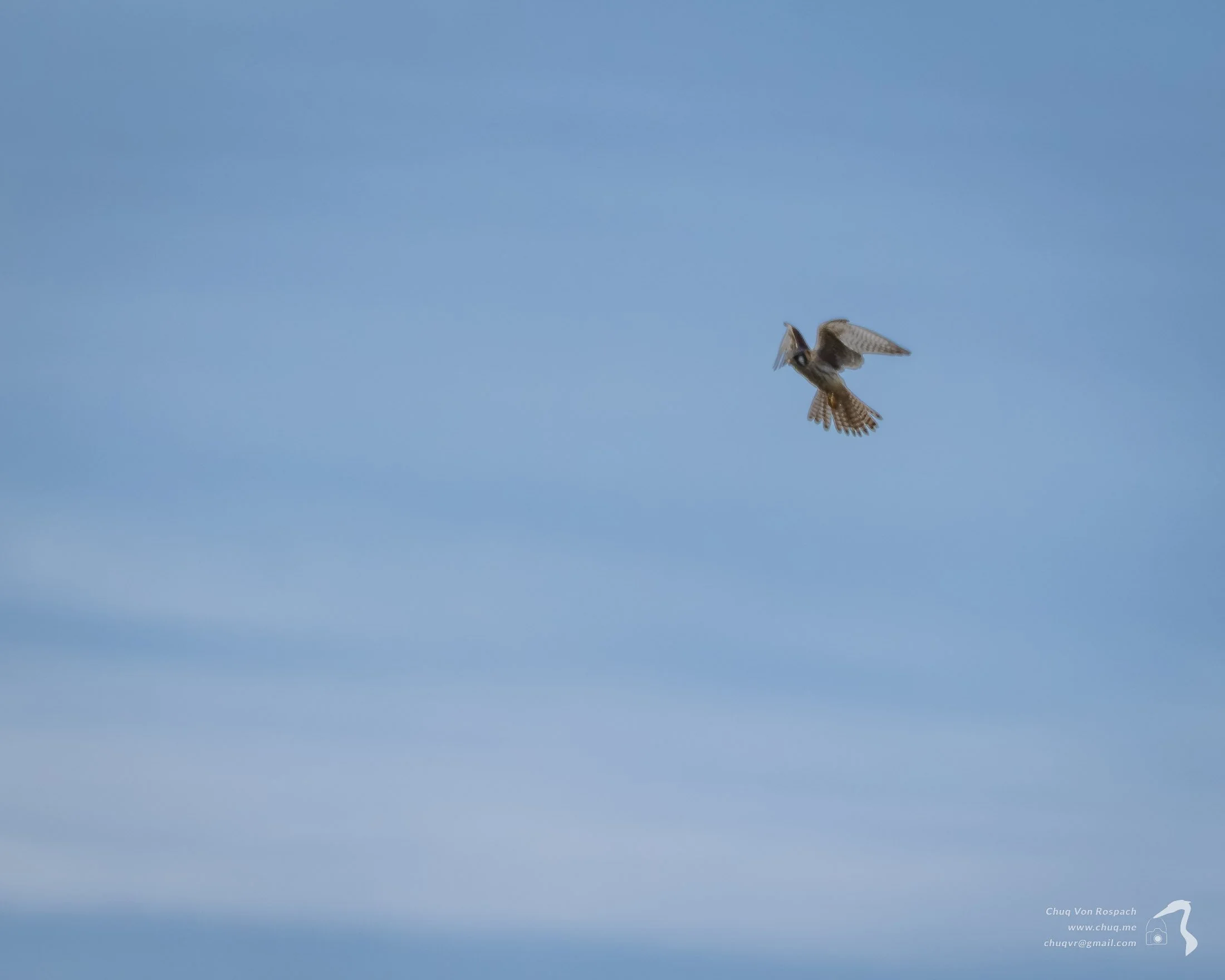
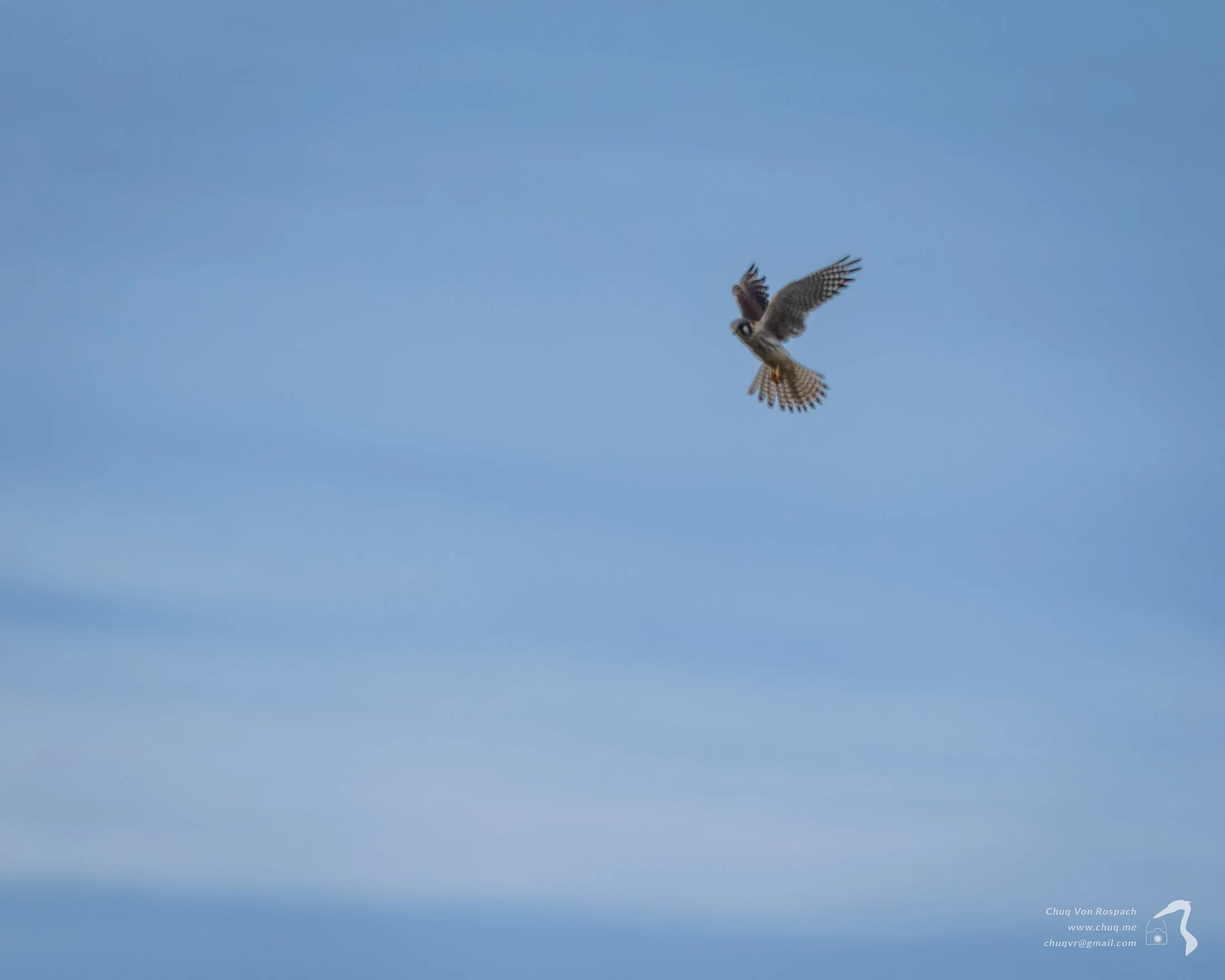
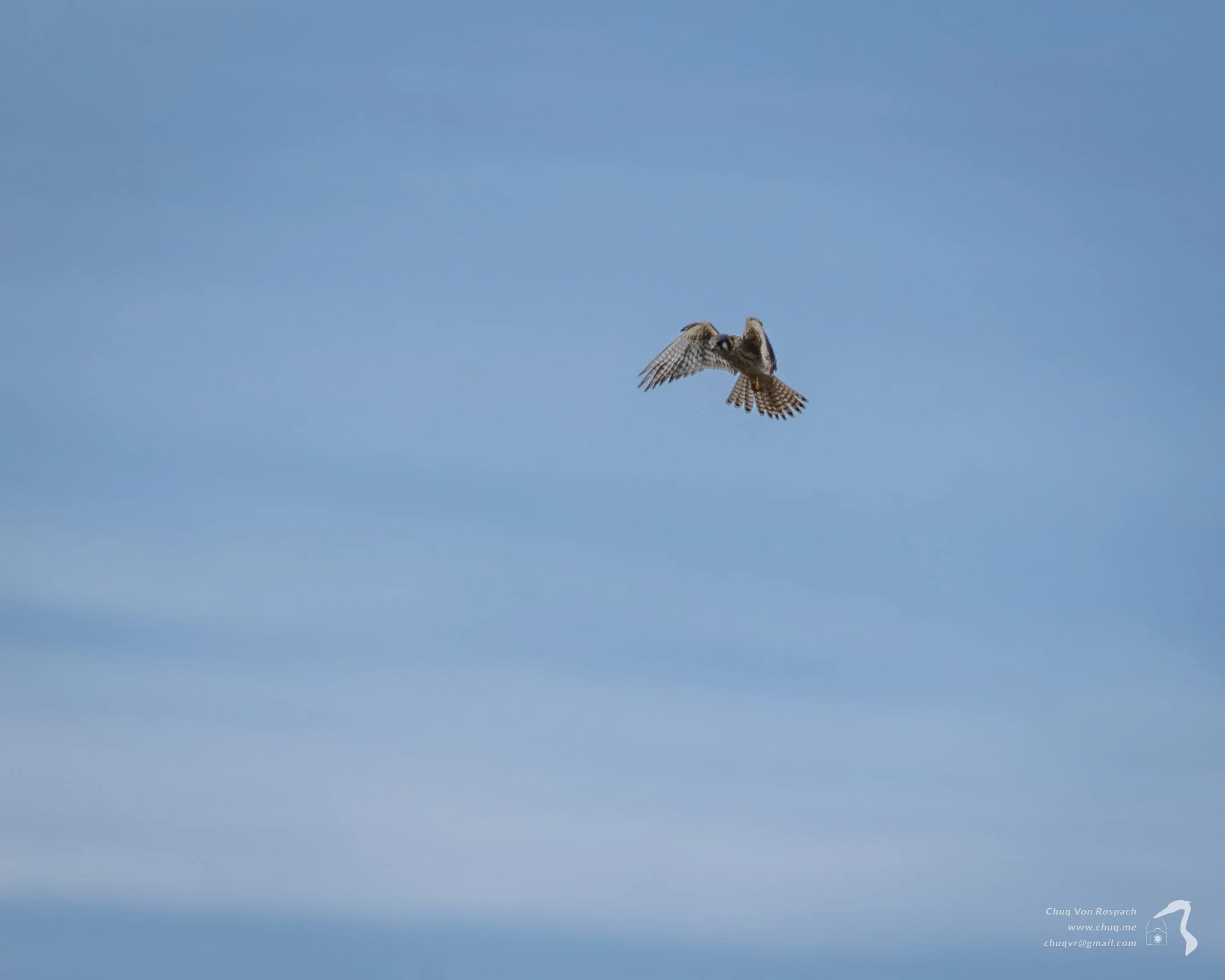
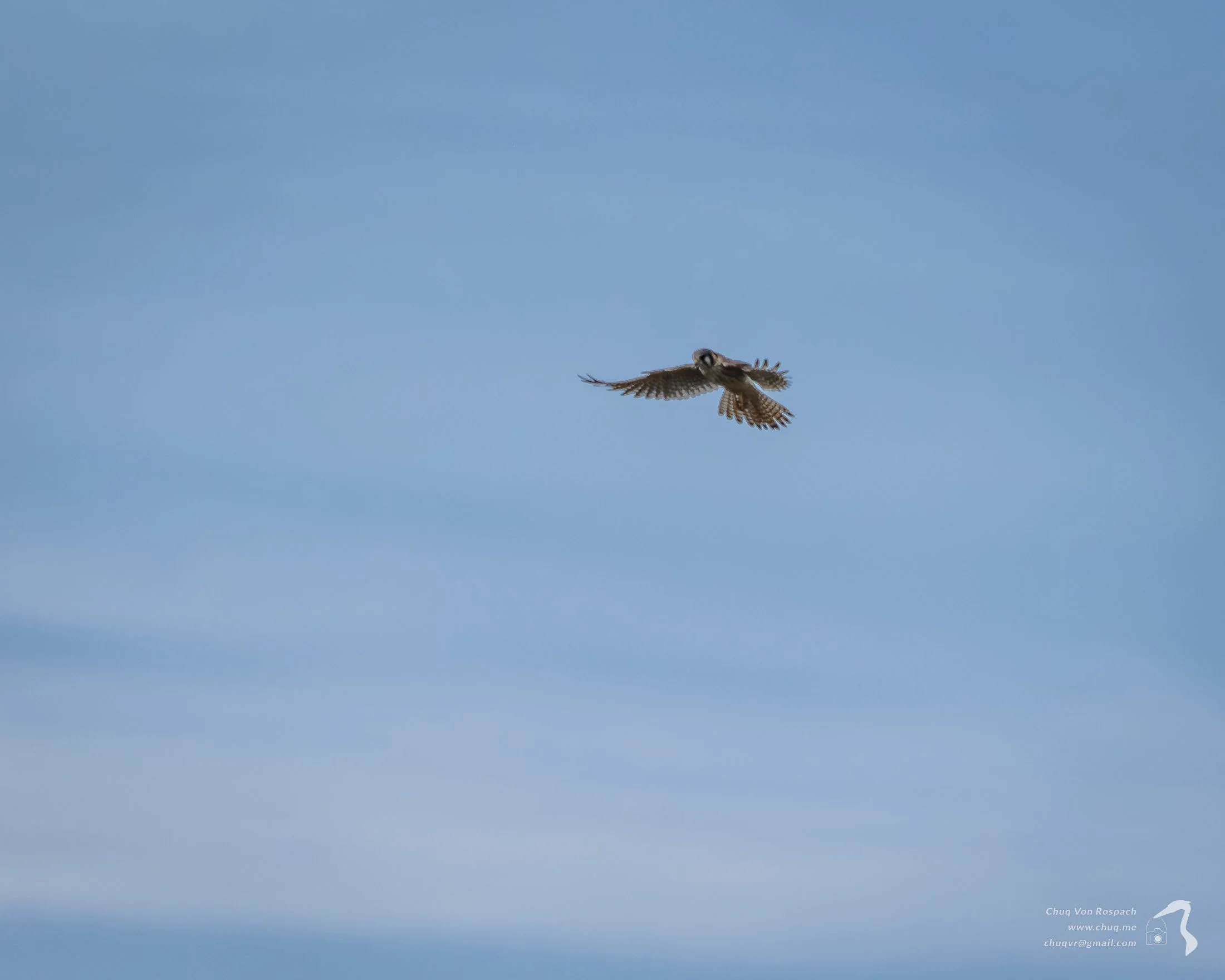
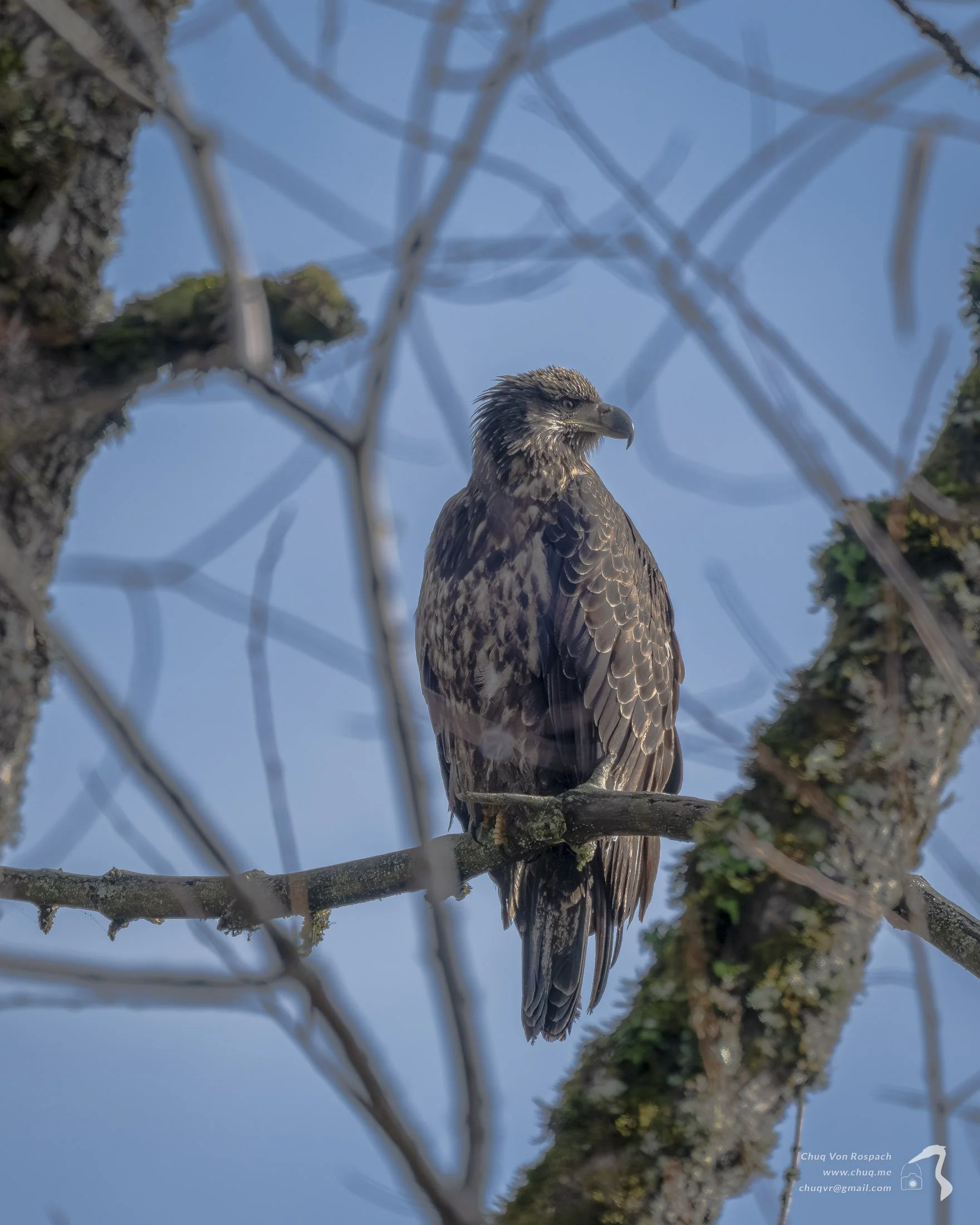
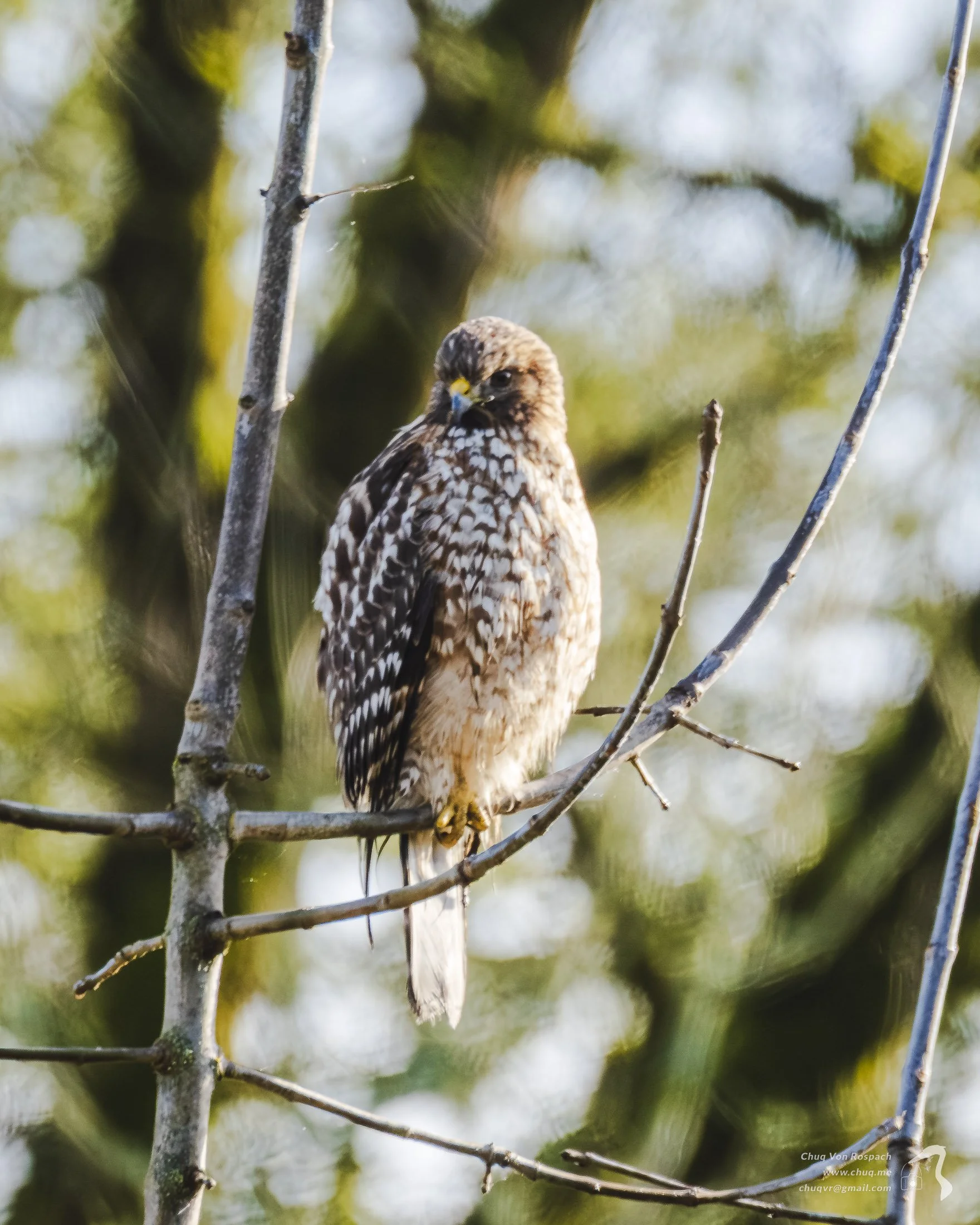
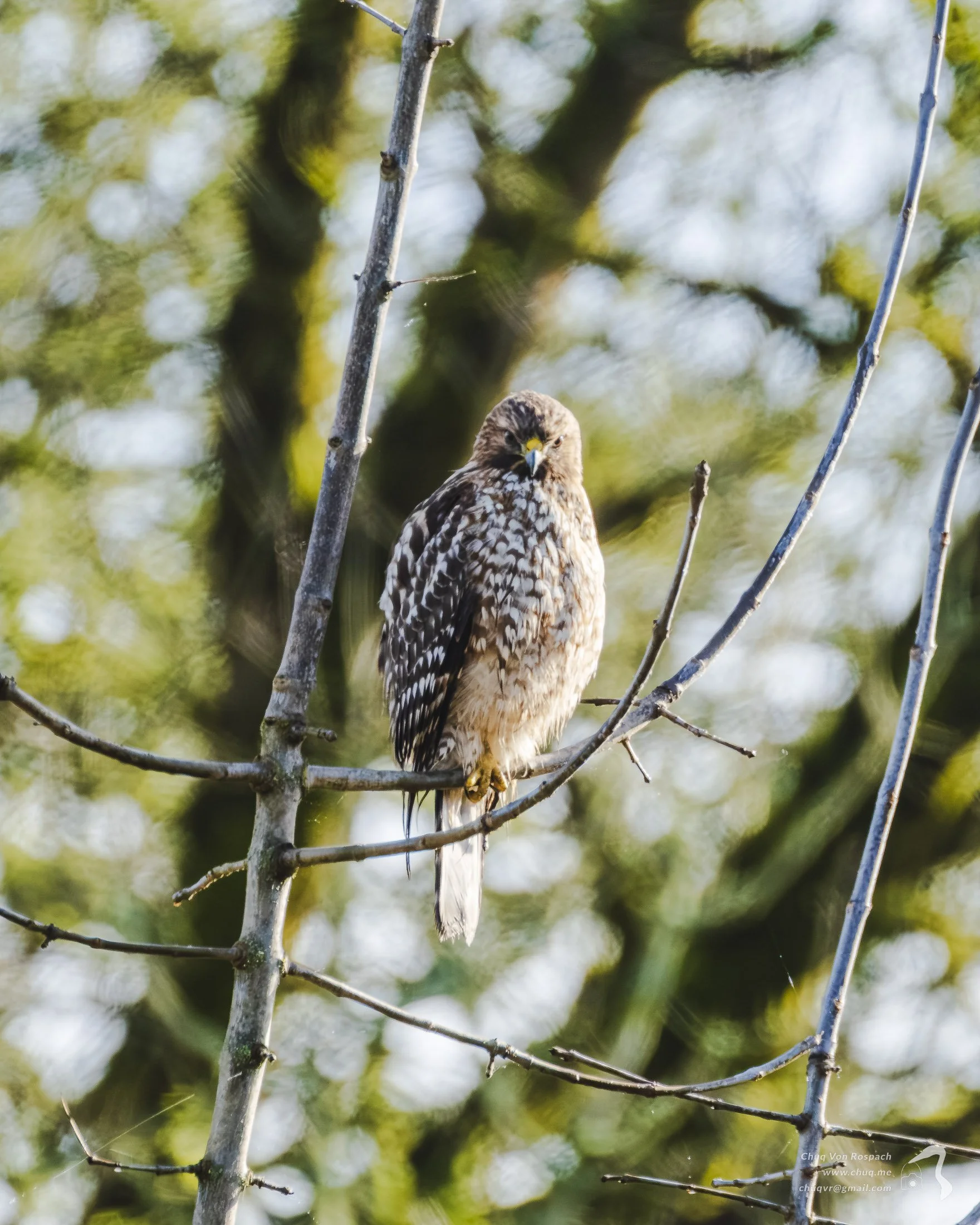
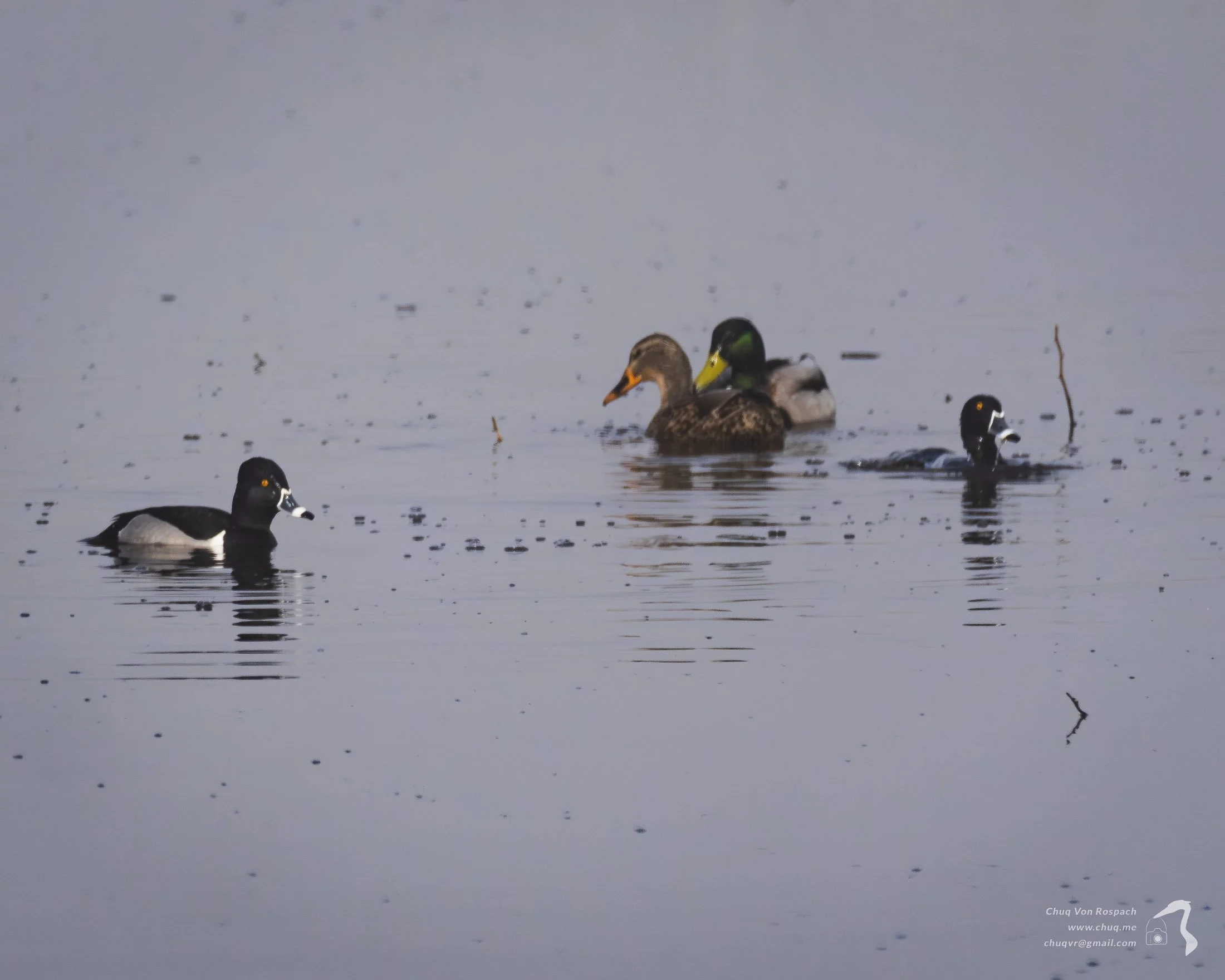
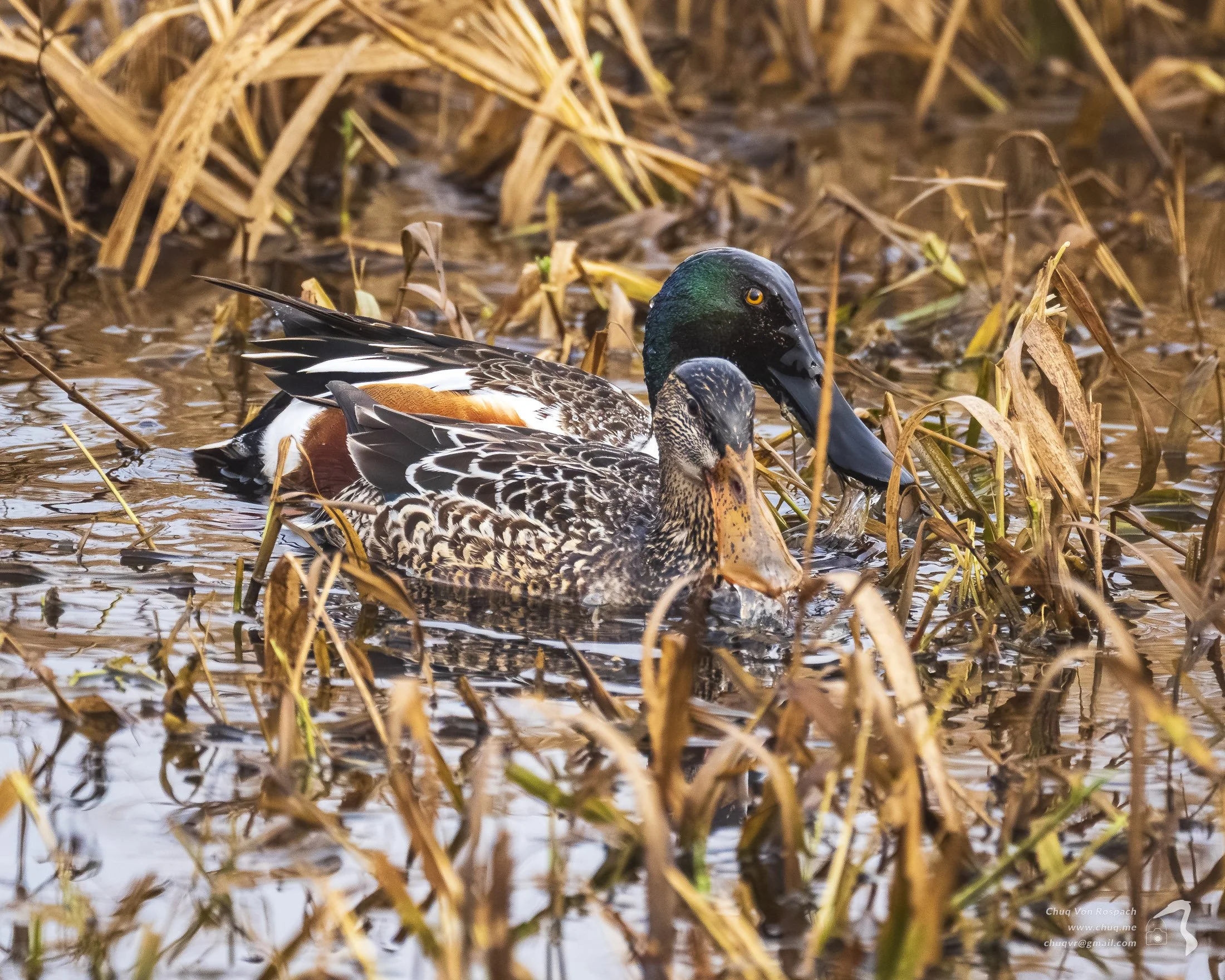
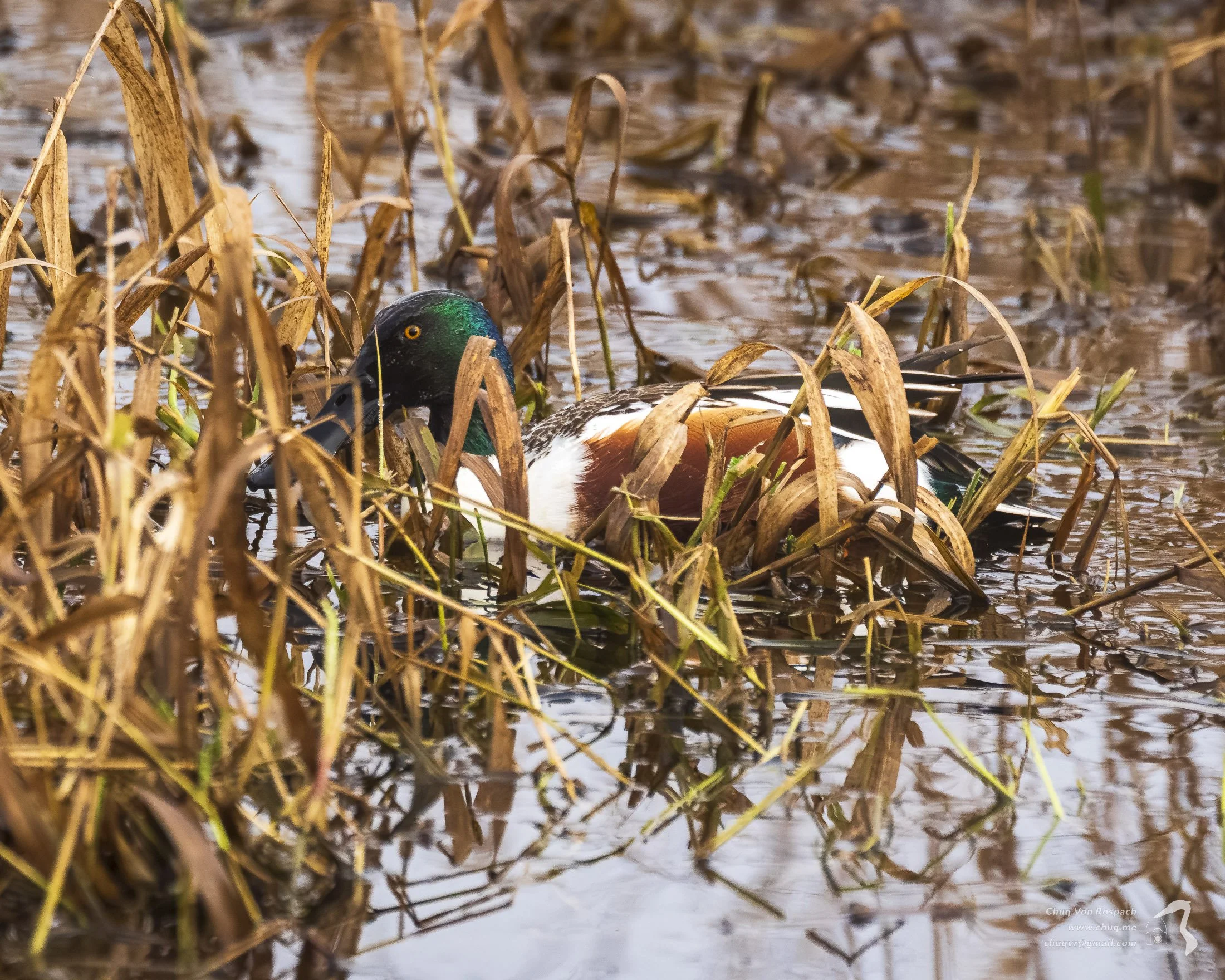
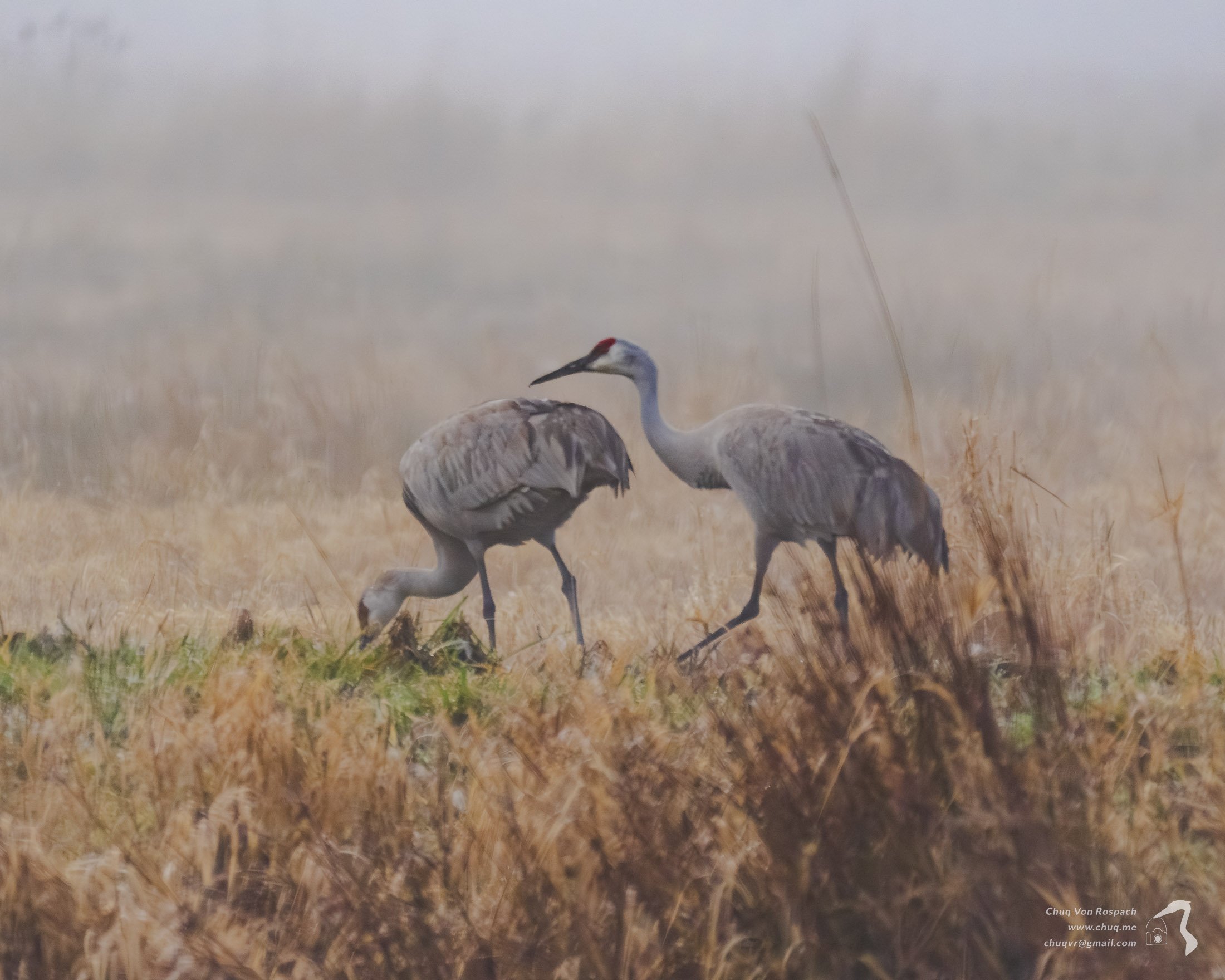
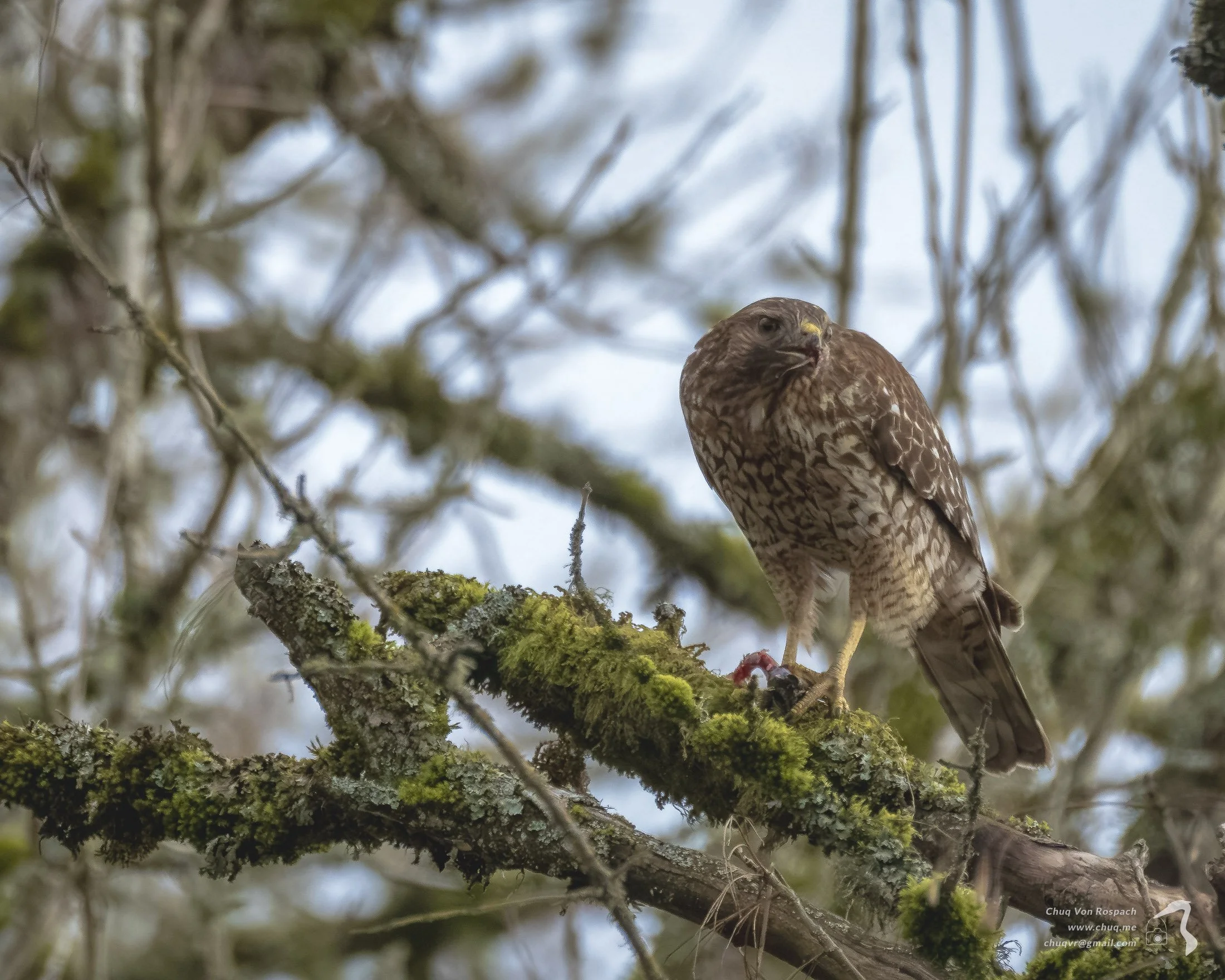
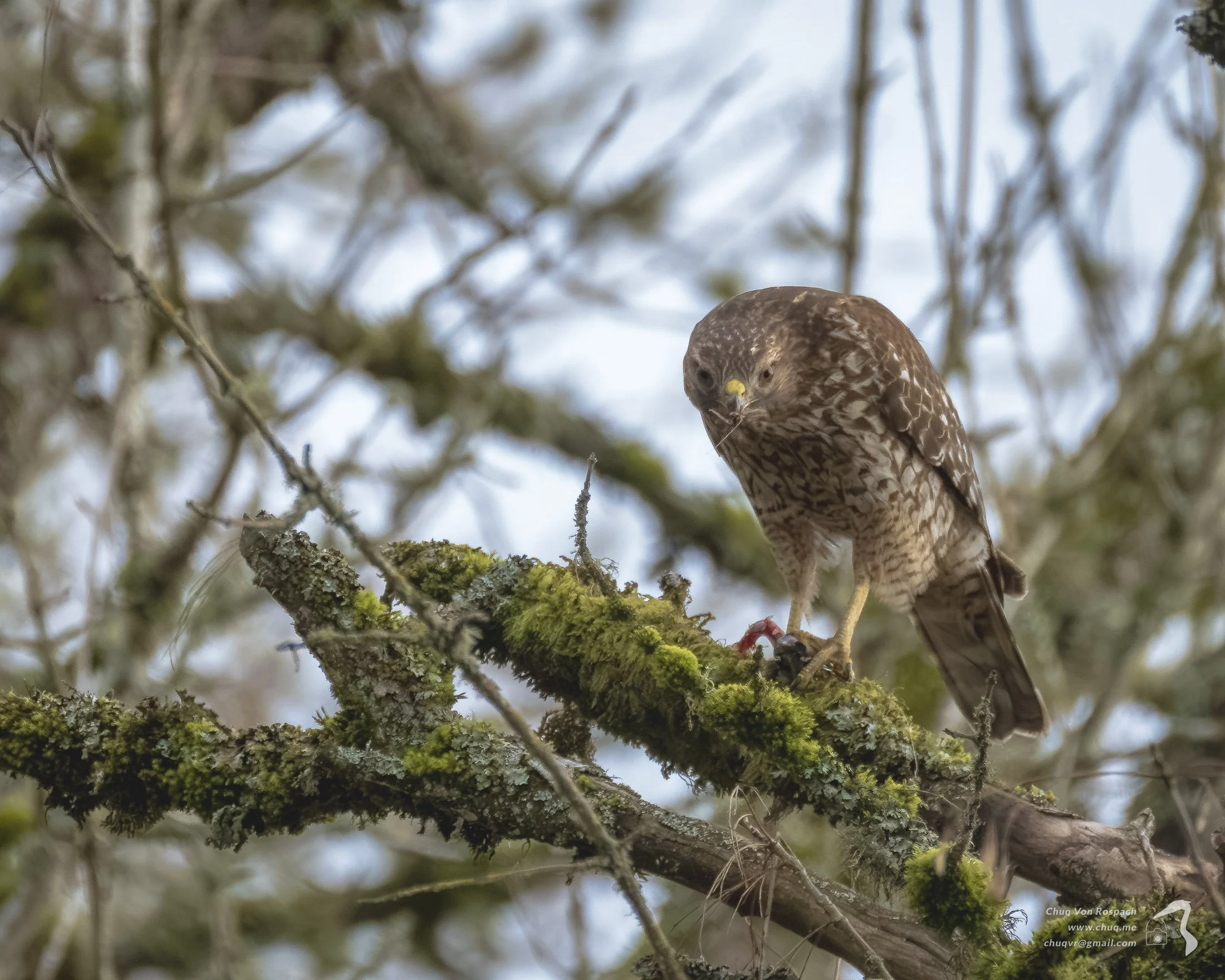
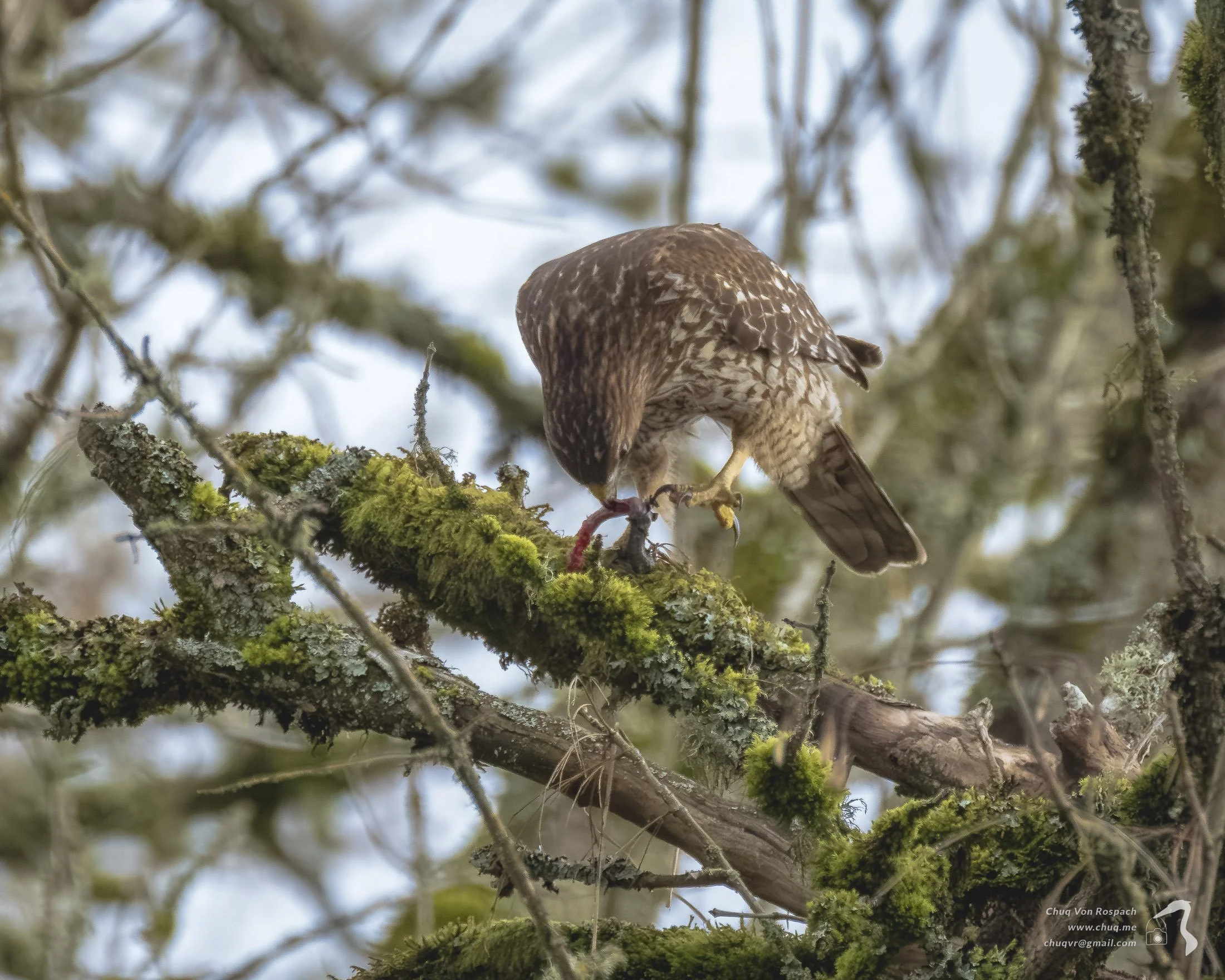
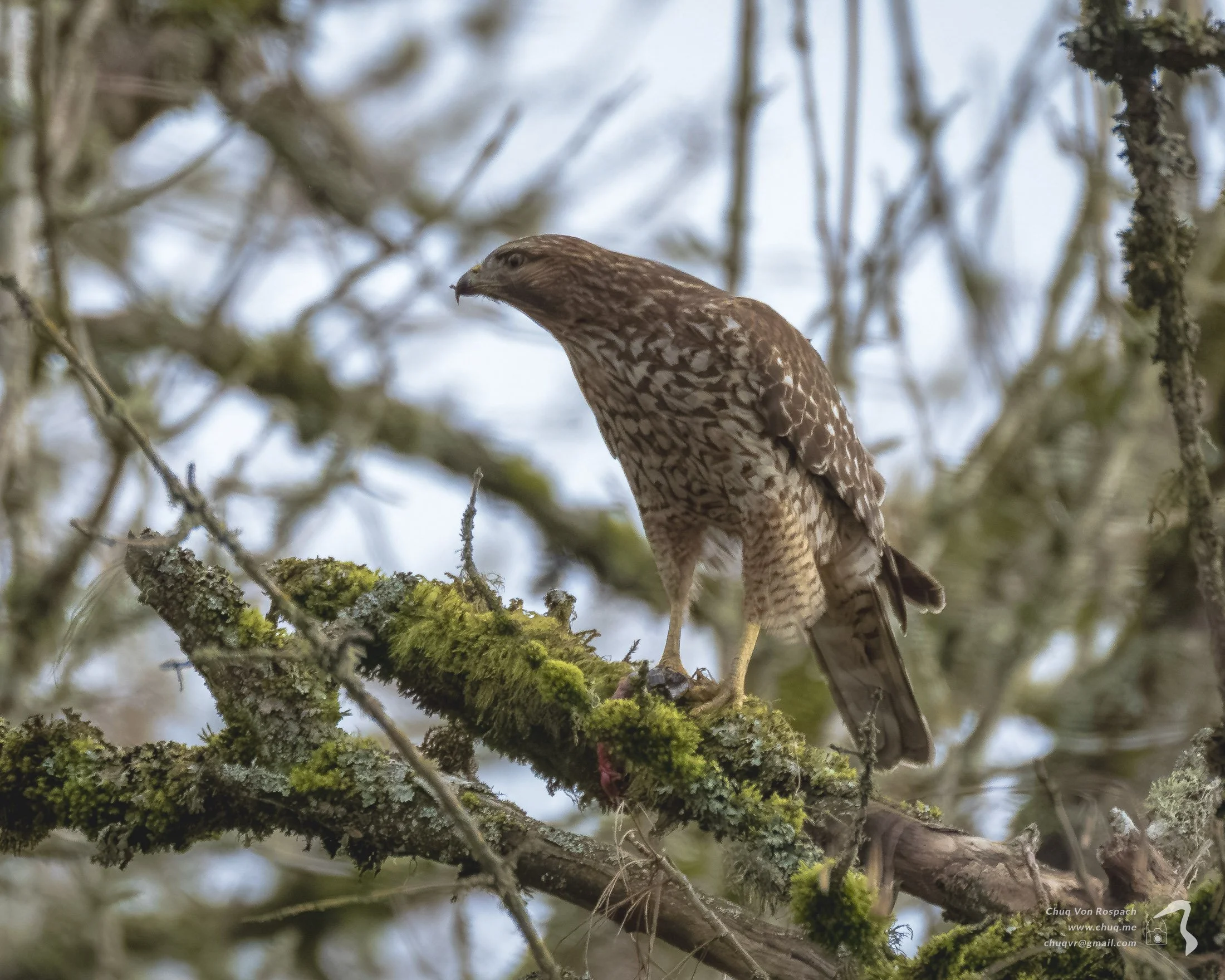
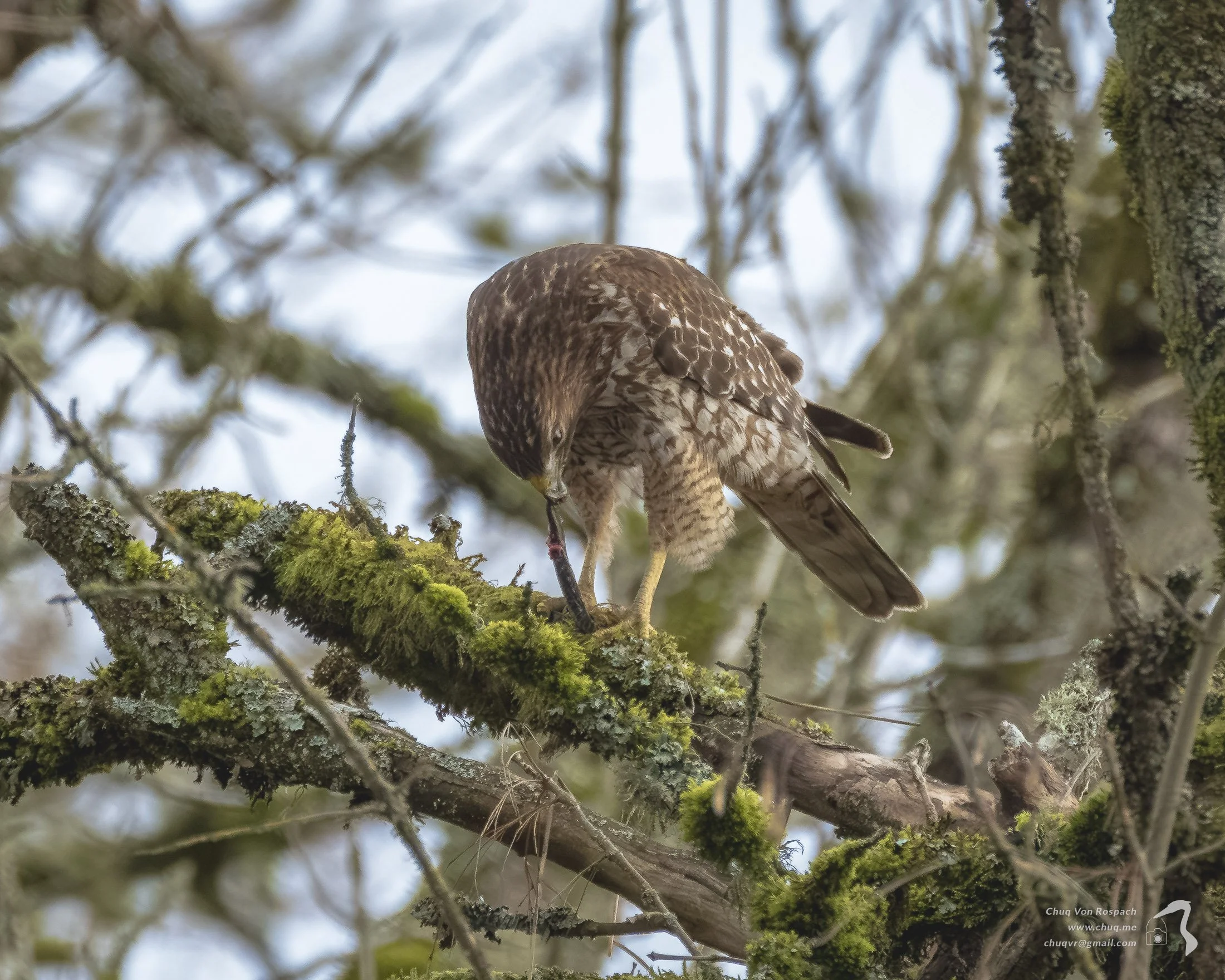
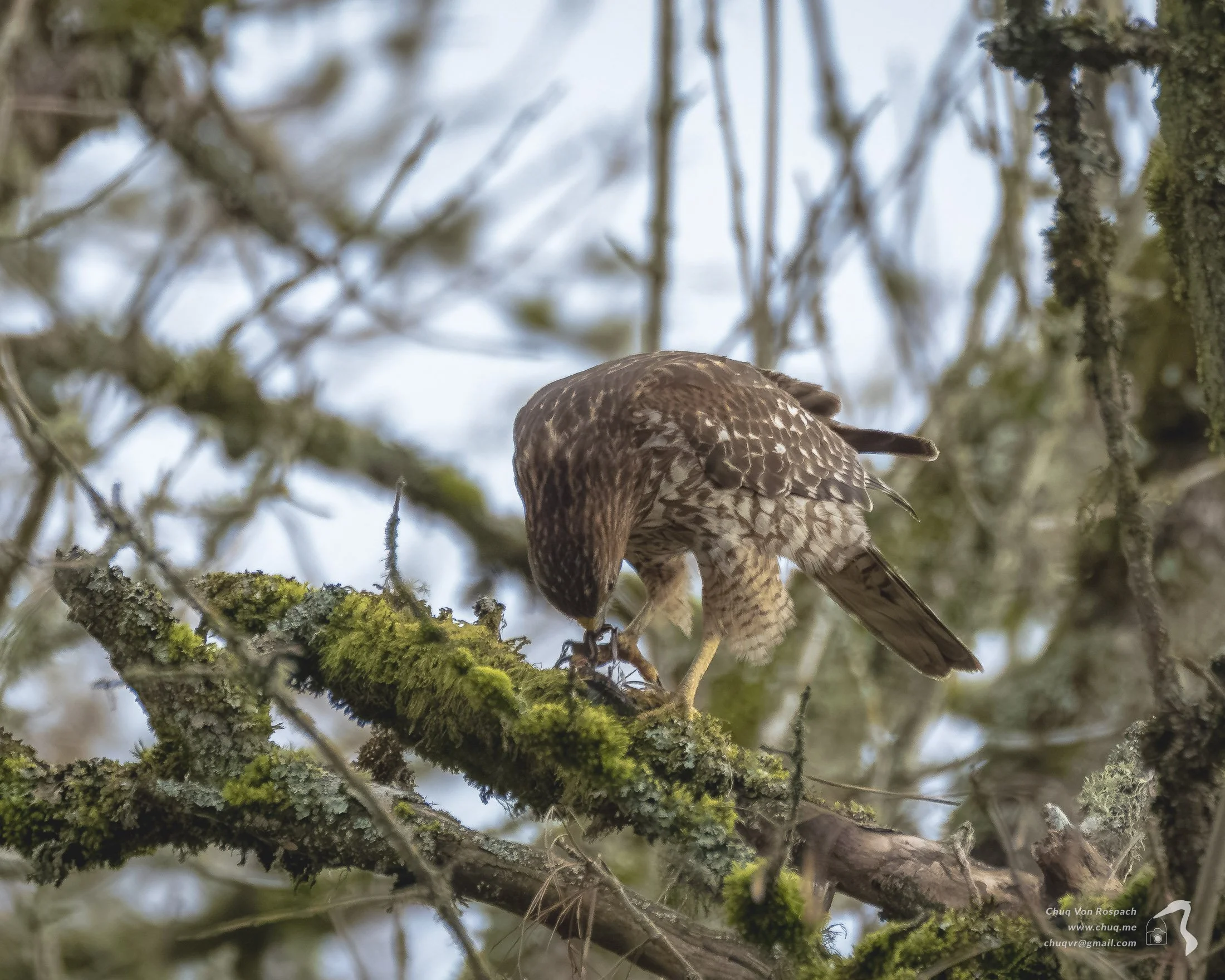
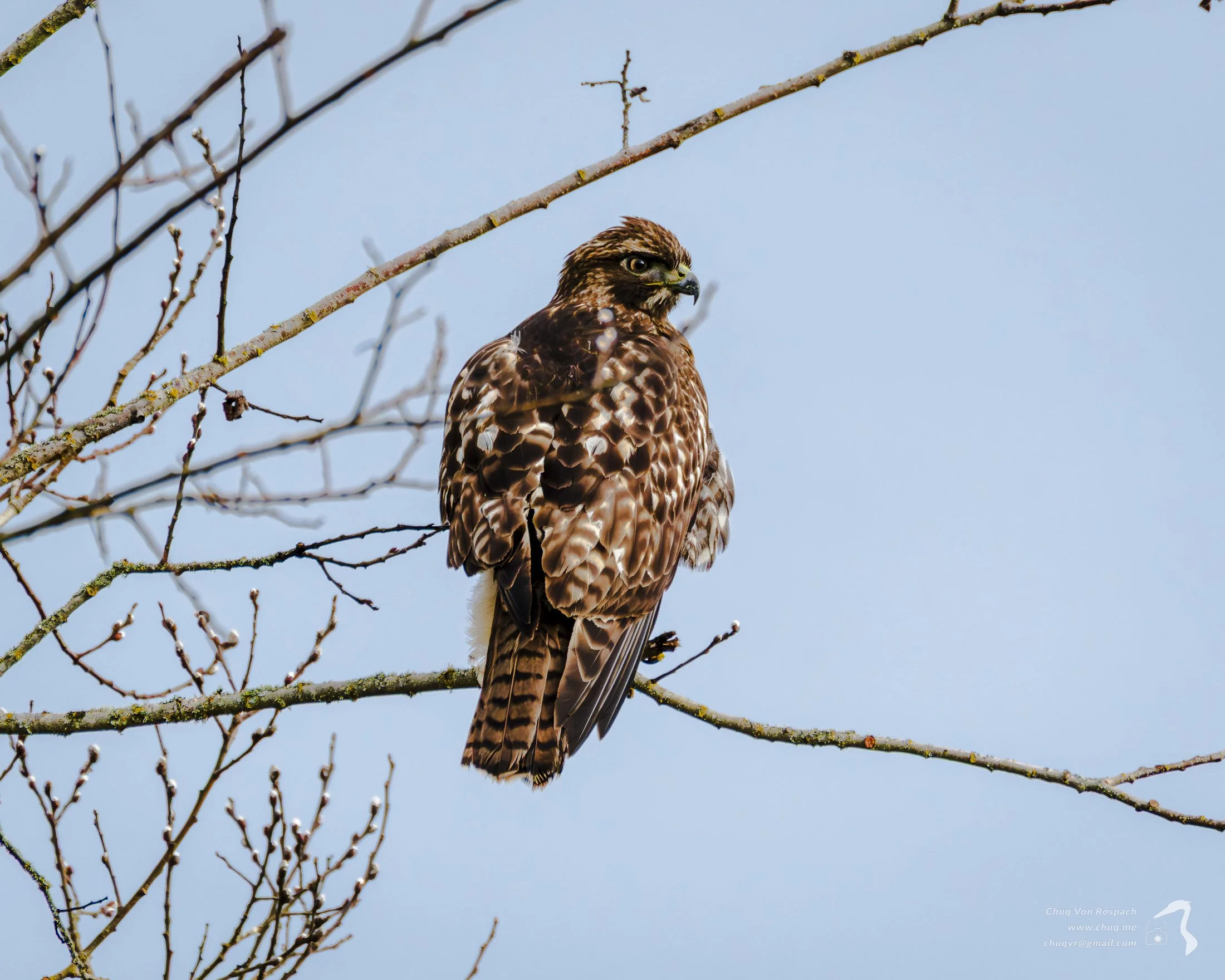
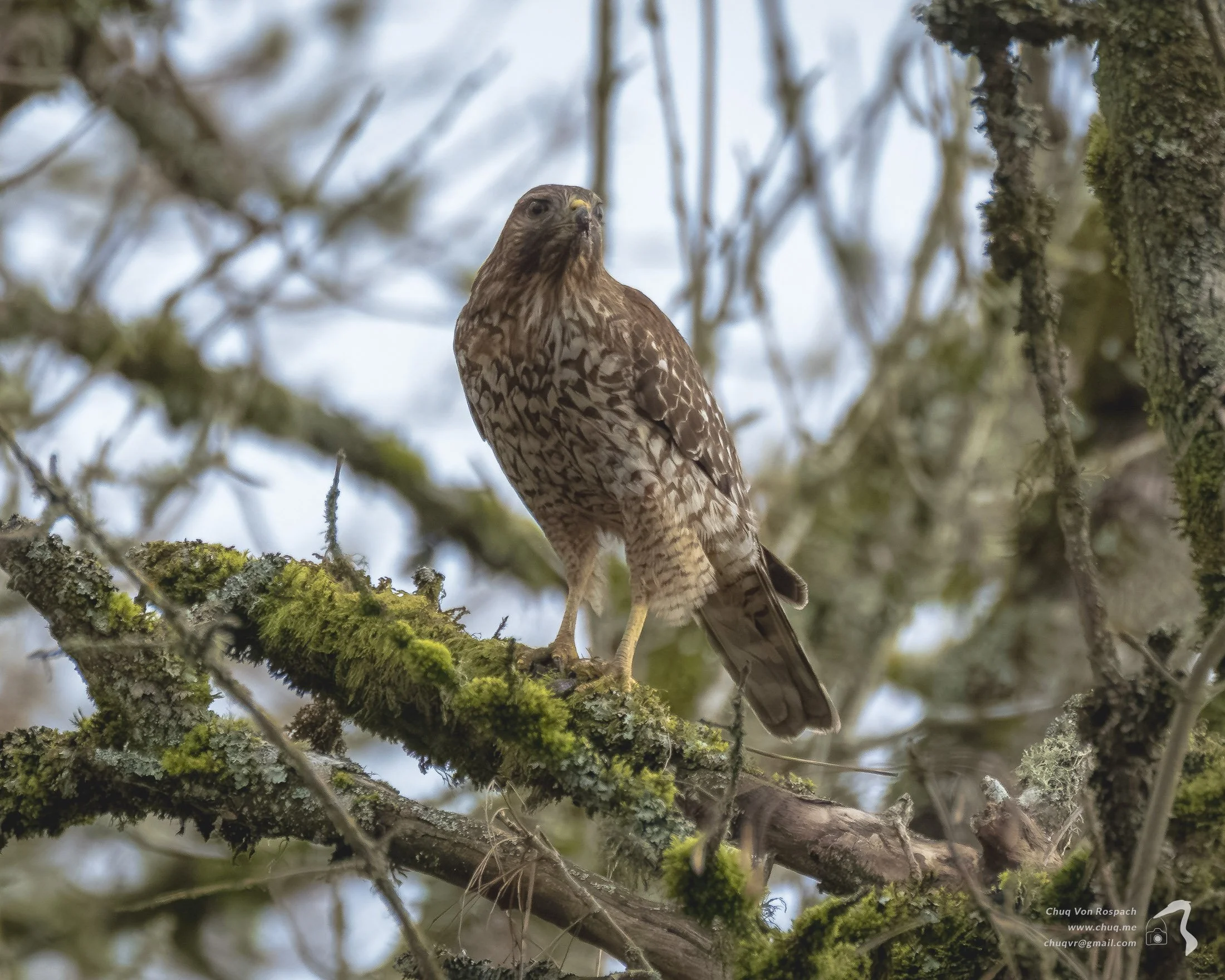
End result for the trip was a nice list of 56 species seen, including both Tundra and Trumpeter Swan, a few Sandhills (more heard through the fog), and good looks at hunting American Kestrel and Red-Shouldered Hawks. Three small snakes had really bad days while I was watching, one by a Great Blue Heron, one by a Red-Shouldered Hawk and one by a Red-Tailed Hawk. Mammals include the inevitable Muskrats and the Black-Tailed Deer, but no coyotes this visit.
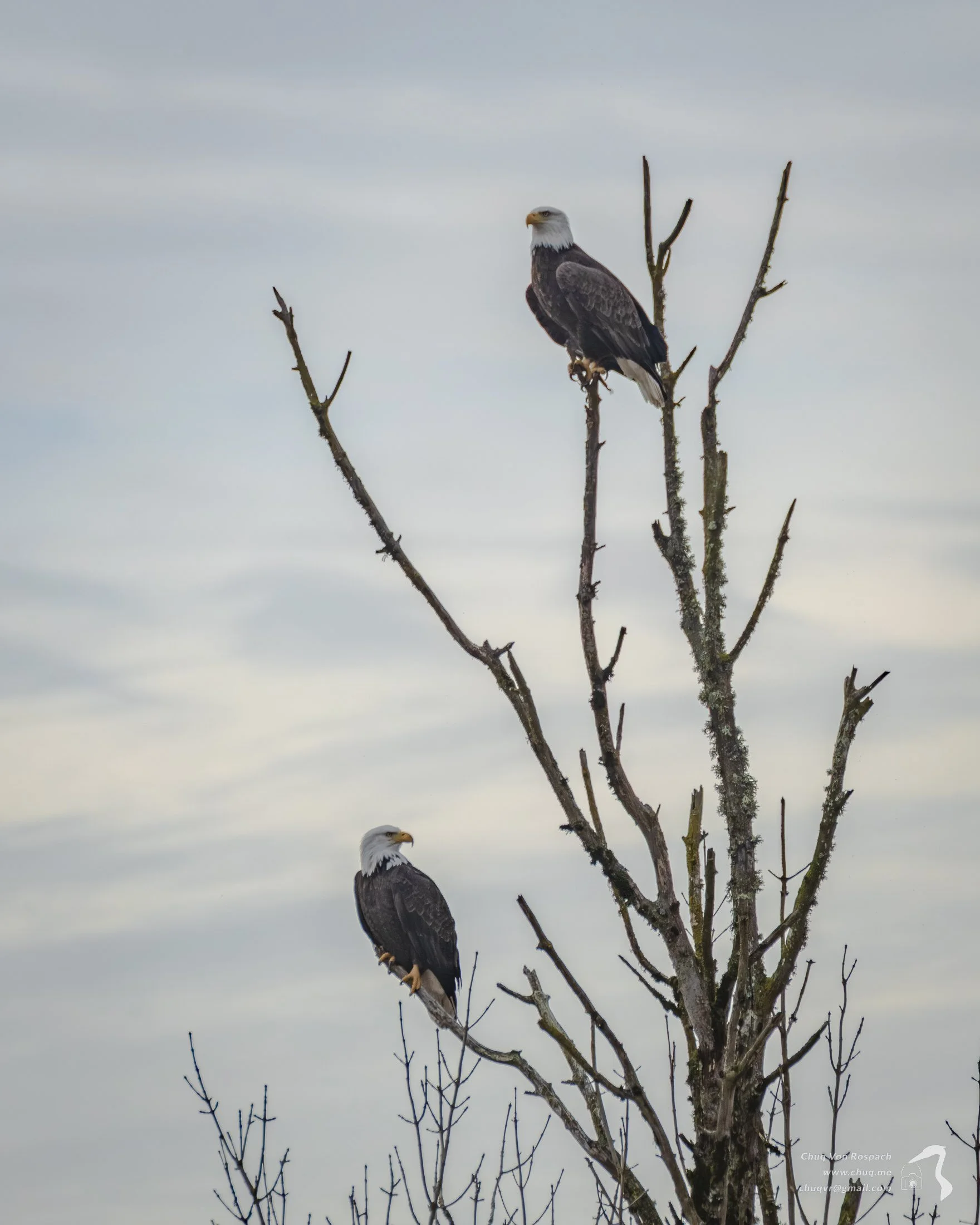
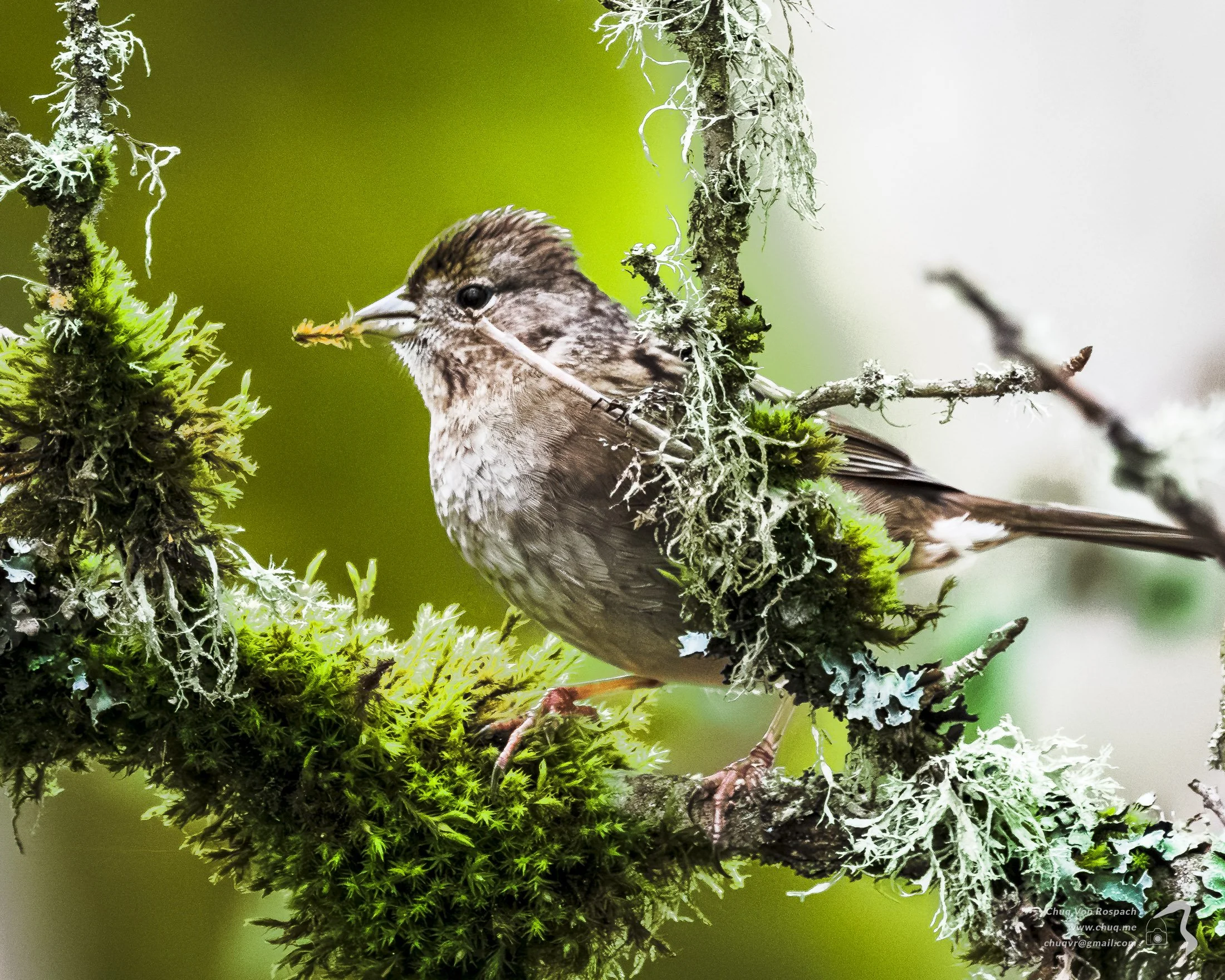
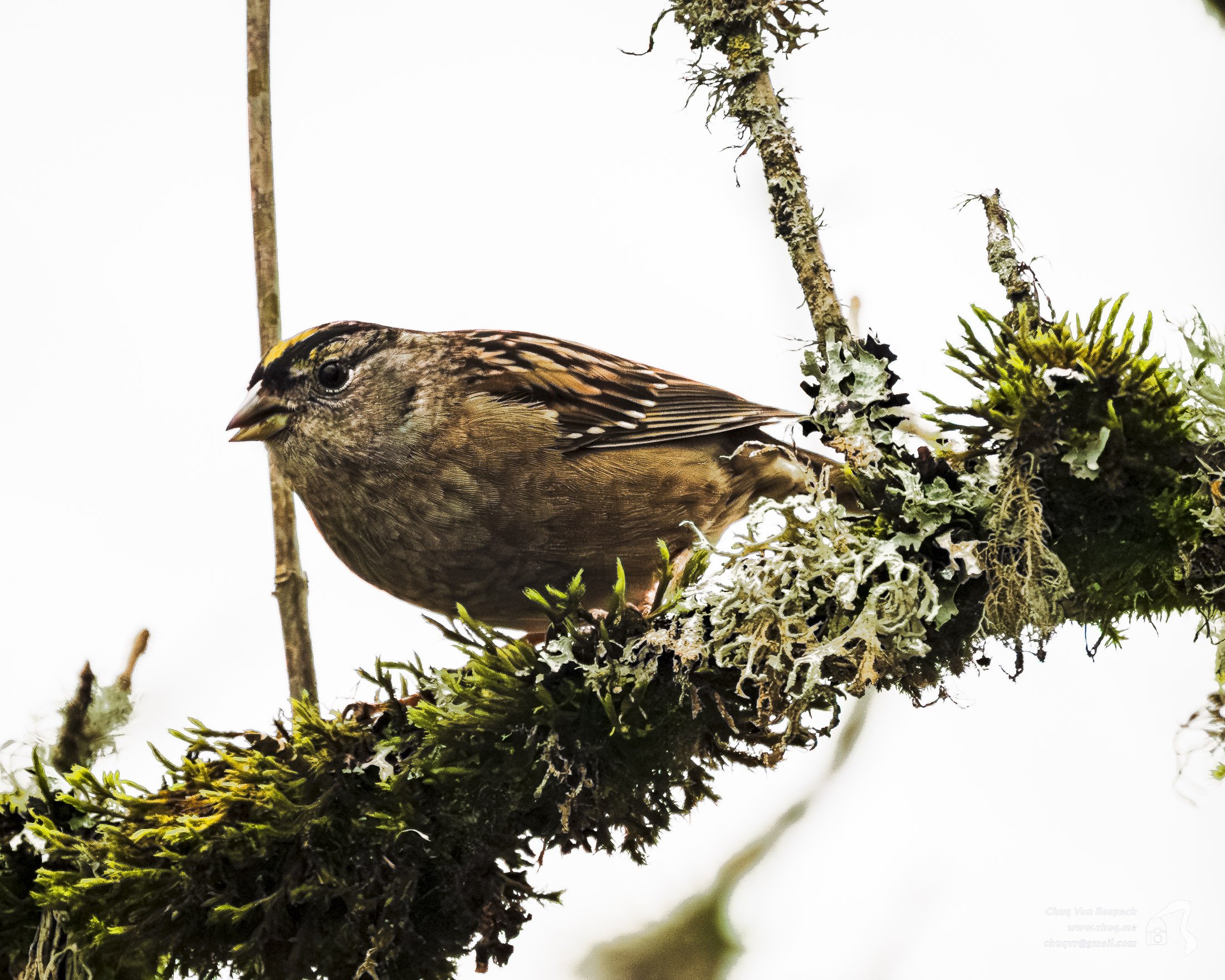
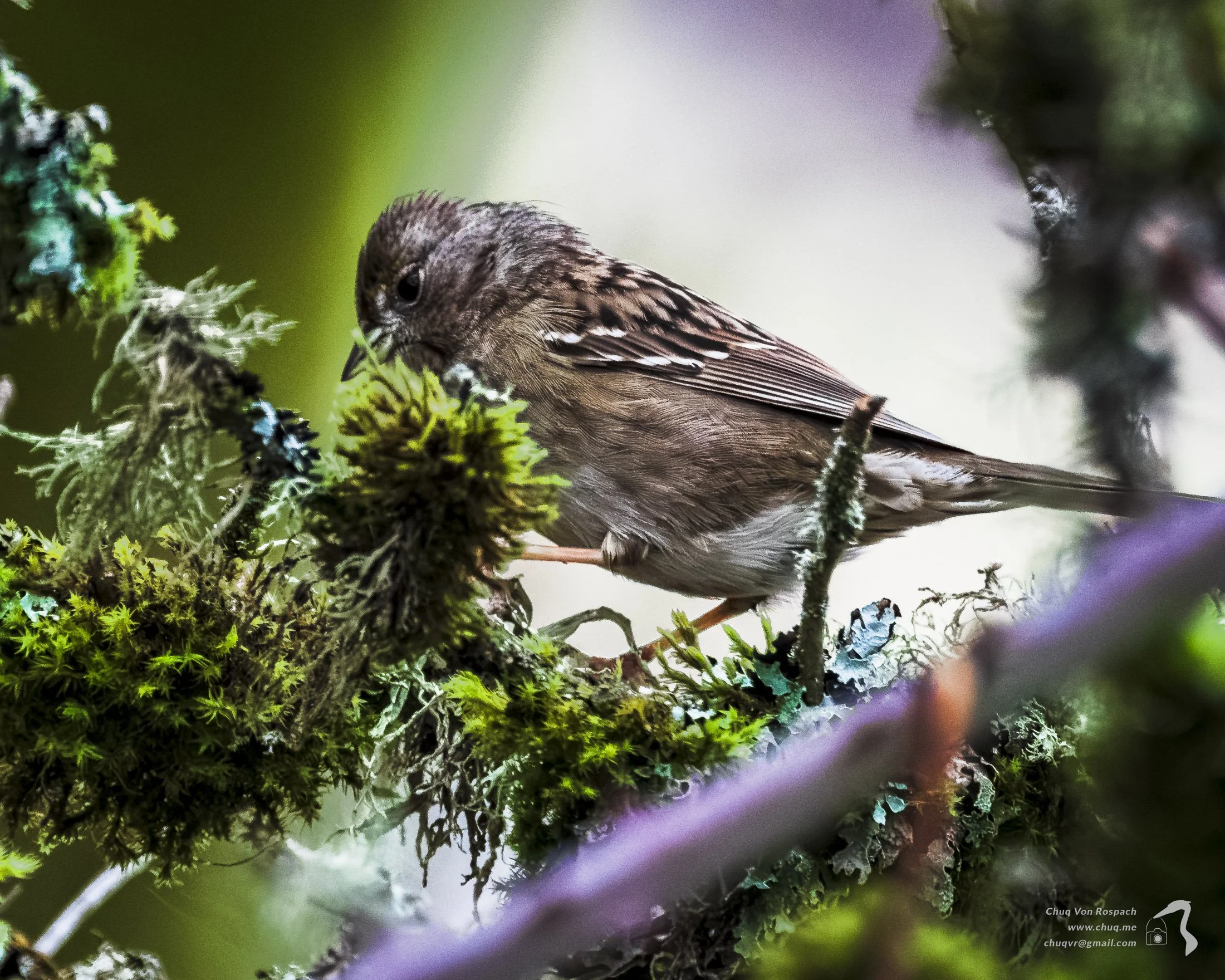
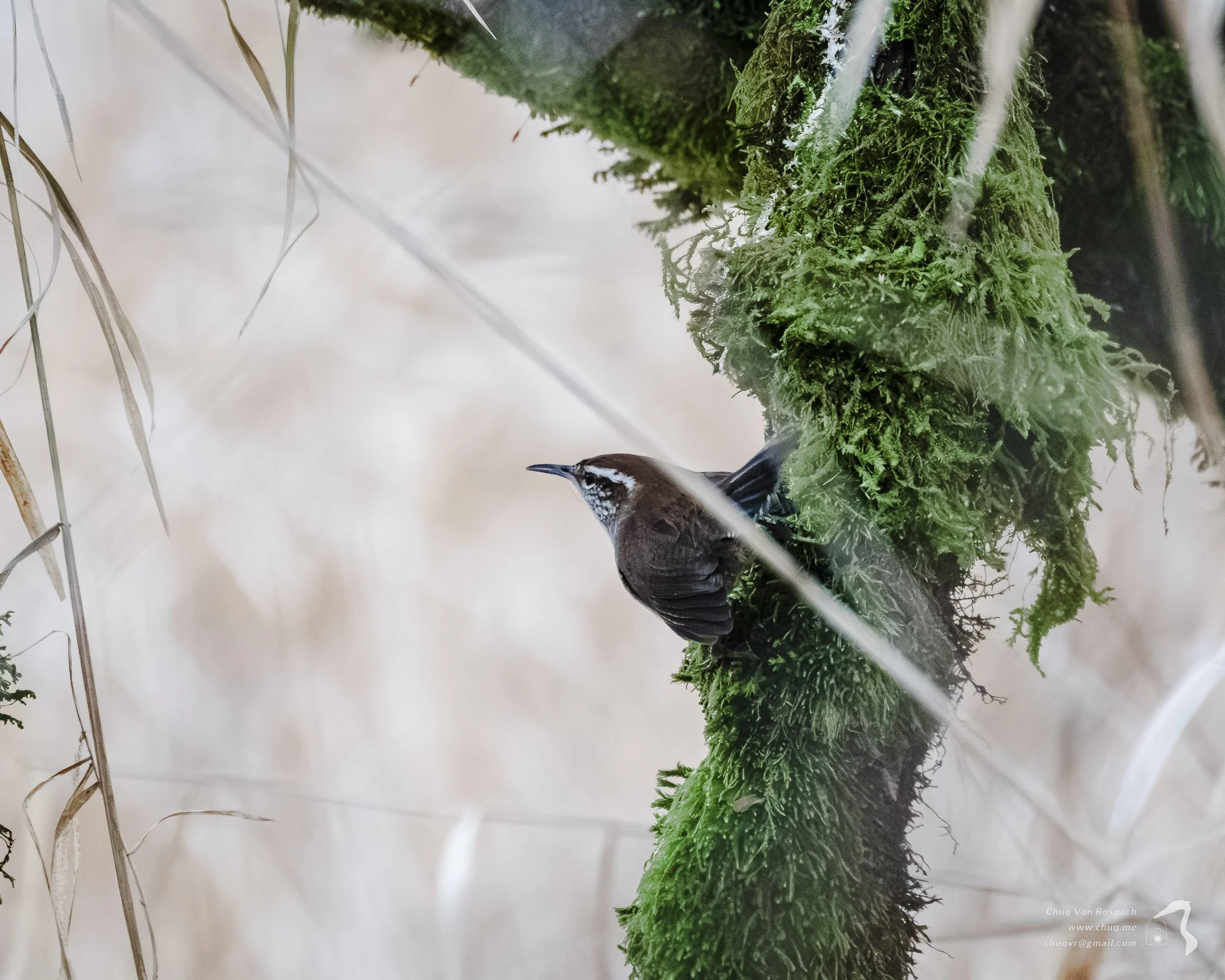
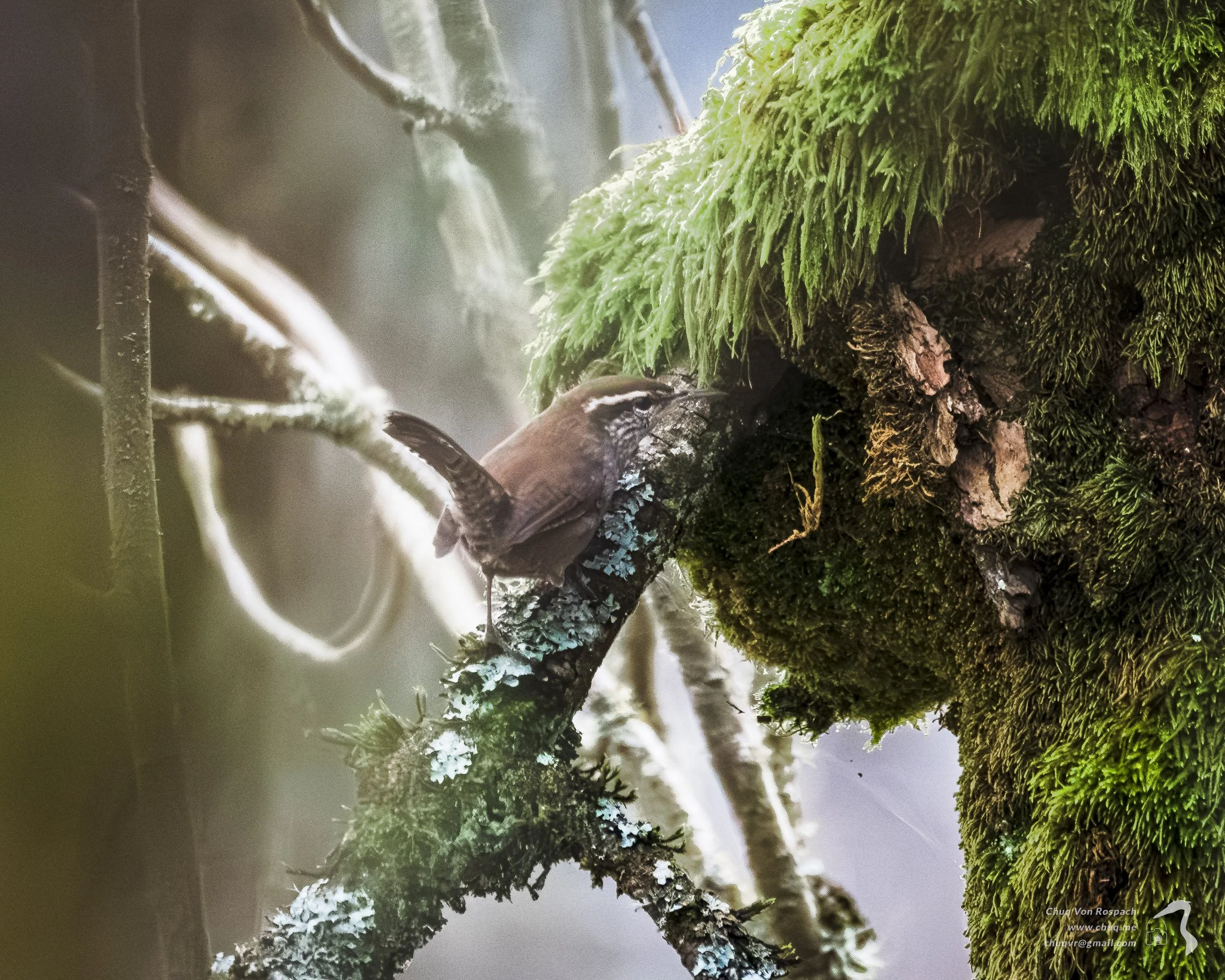
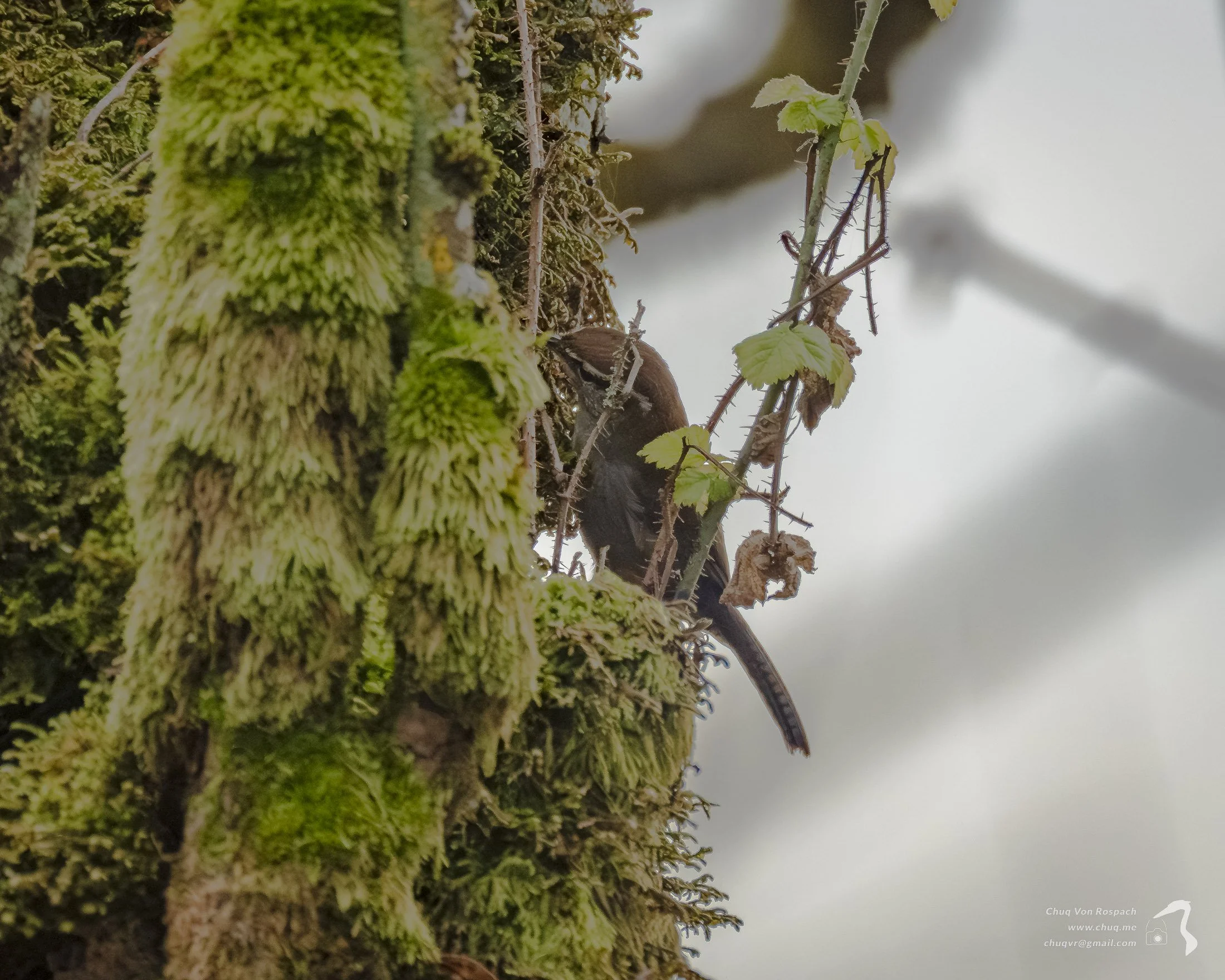
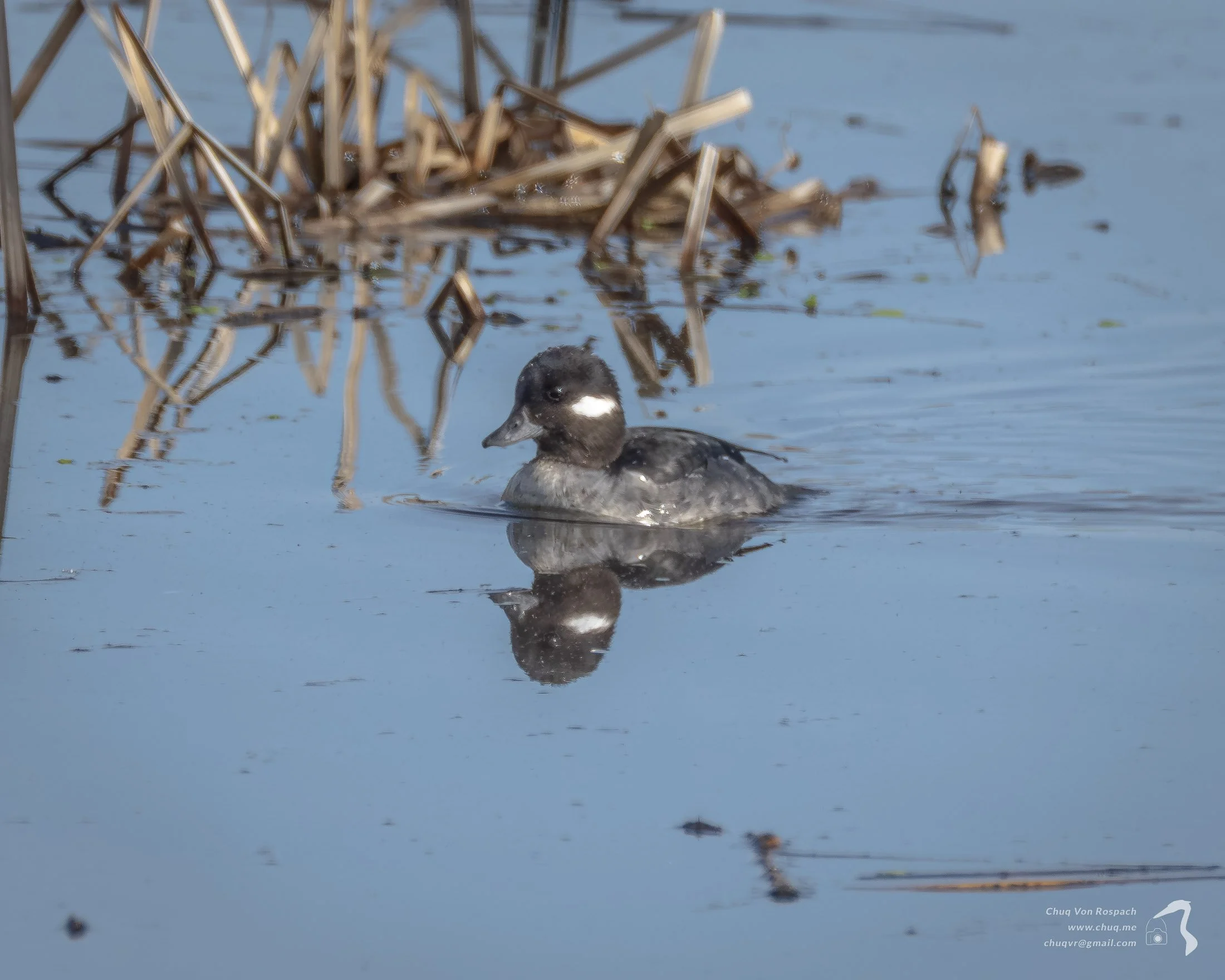
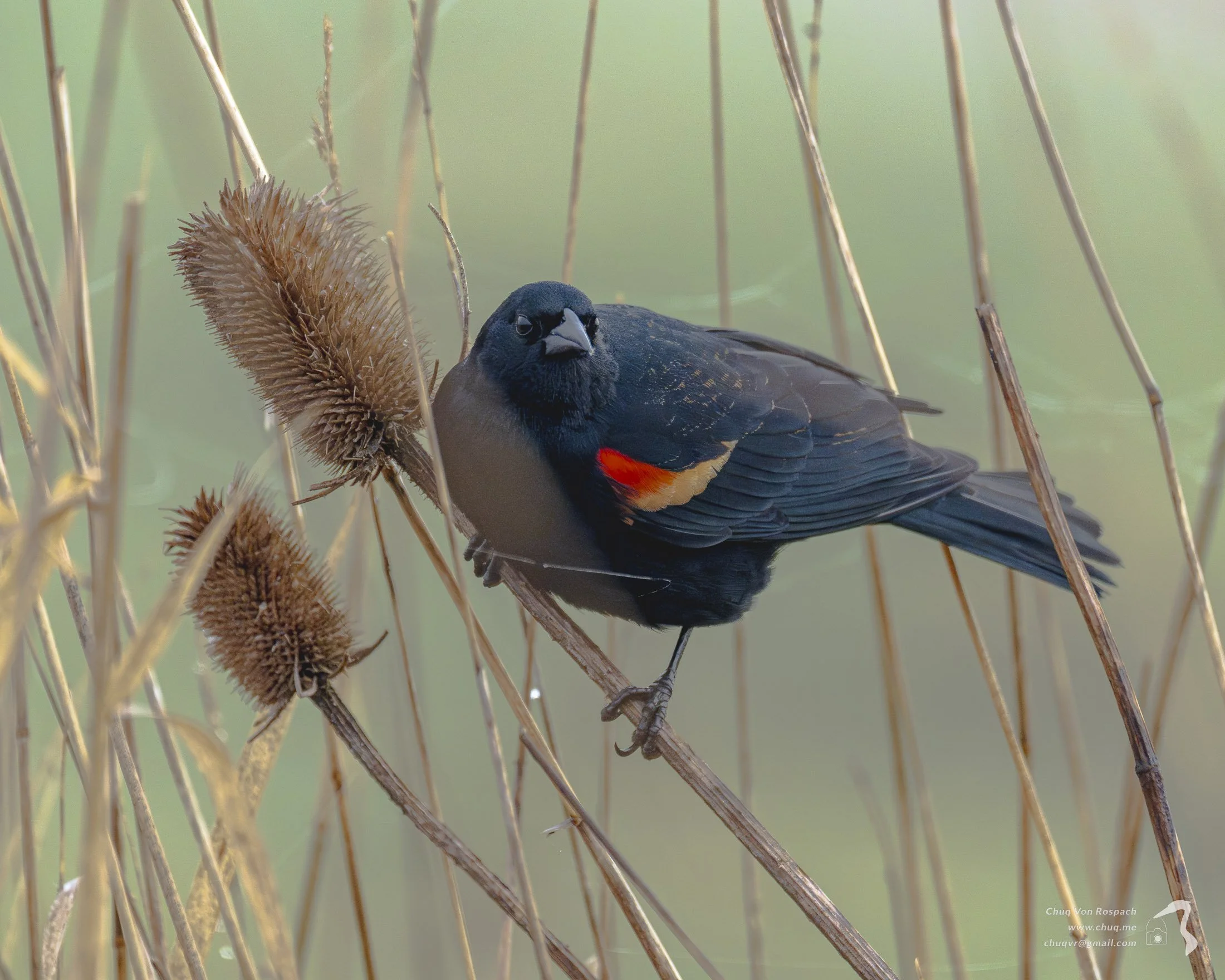
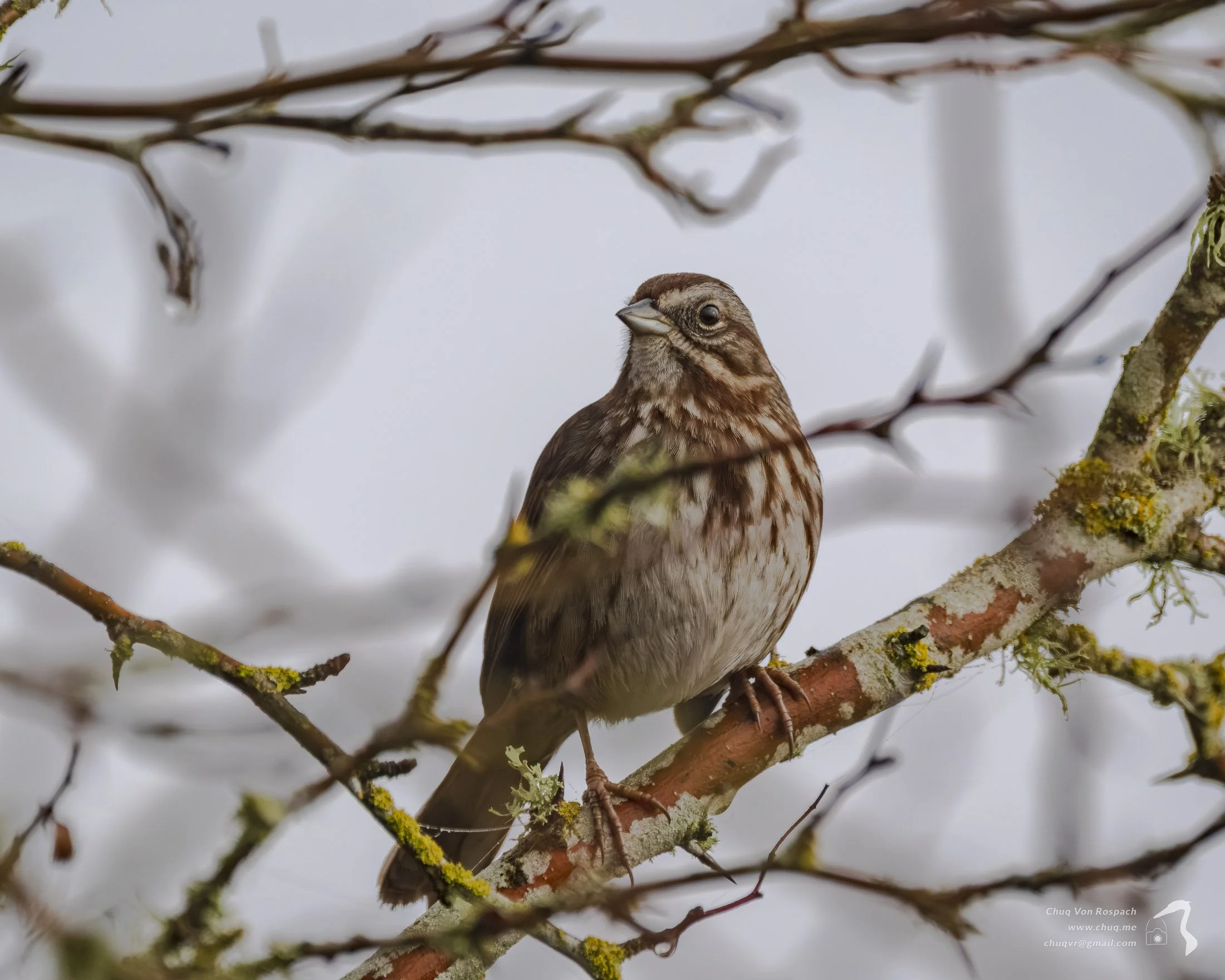
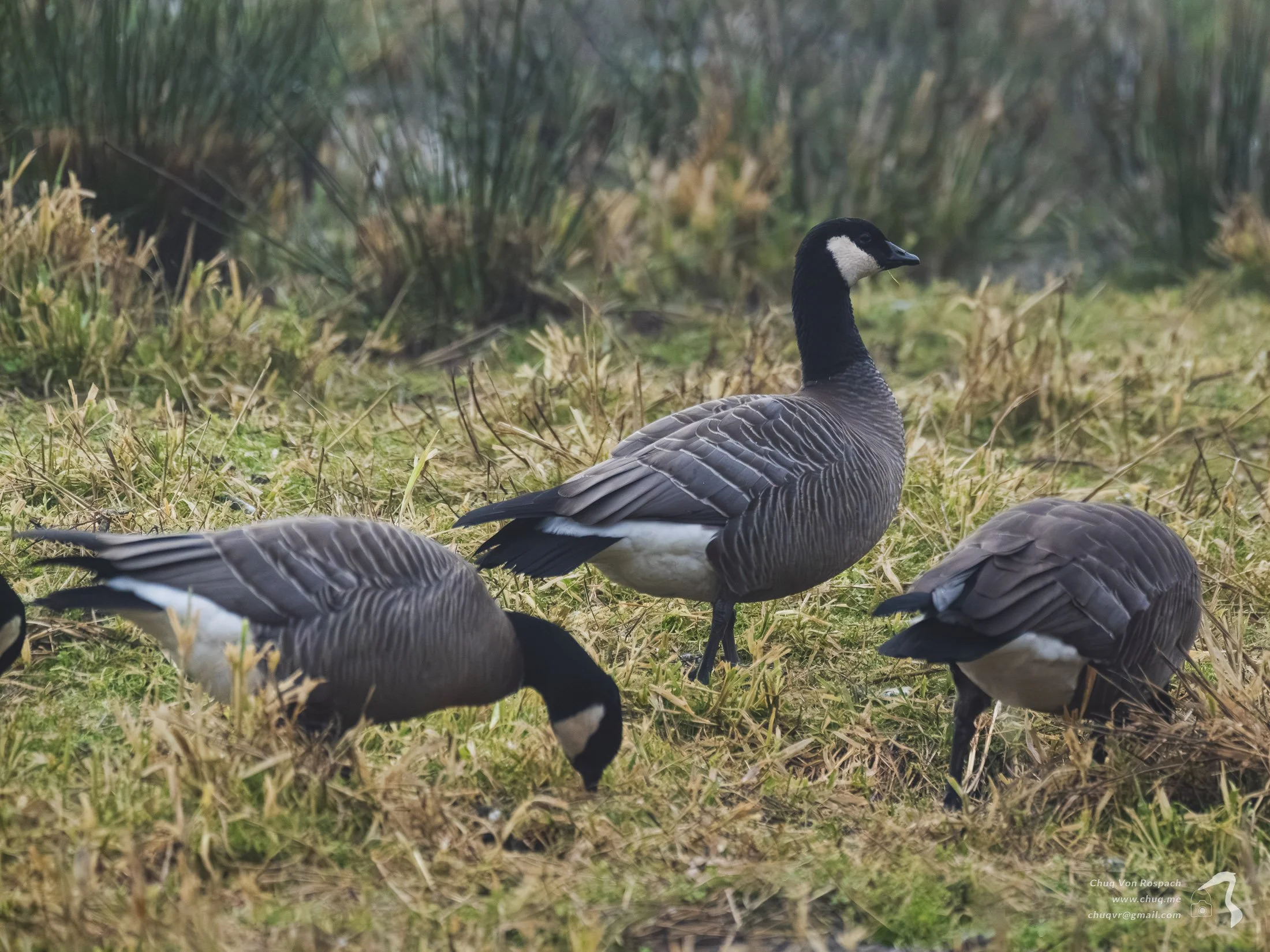
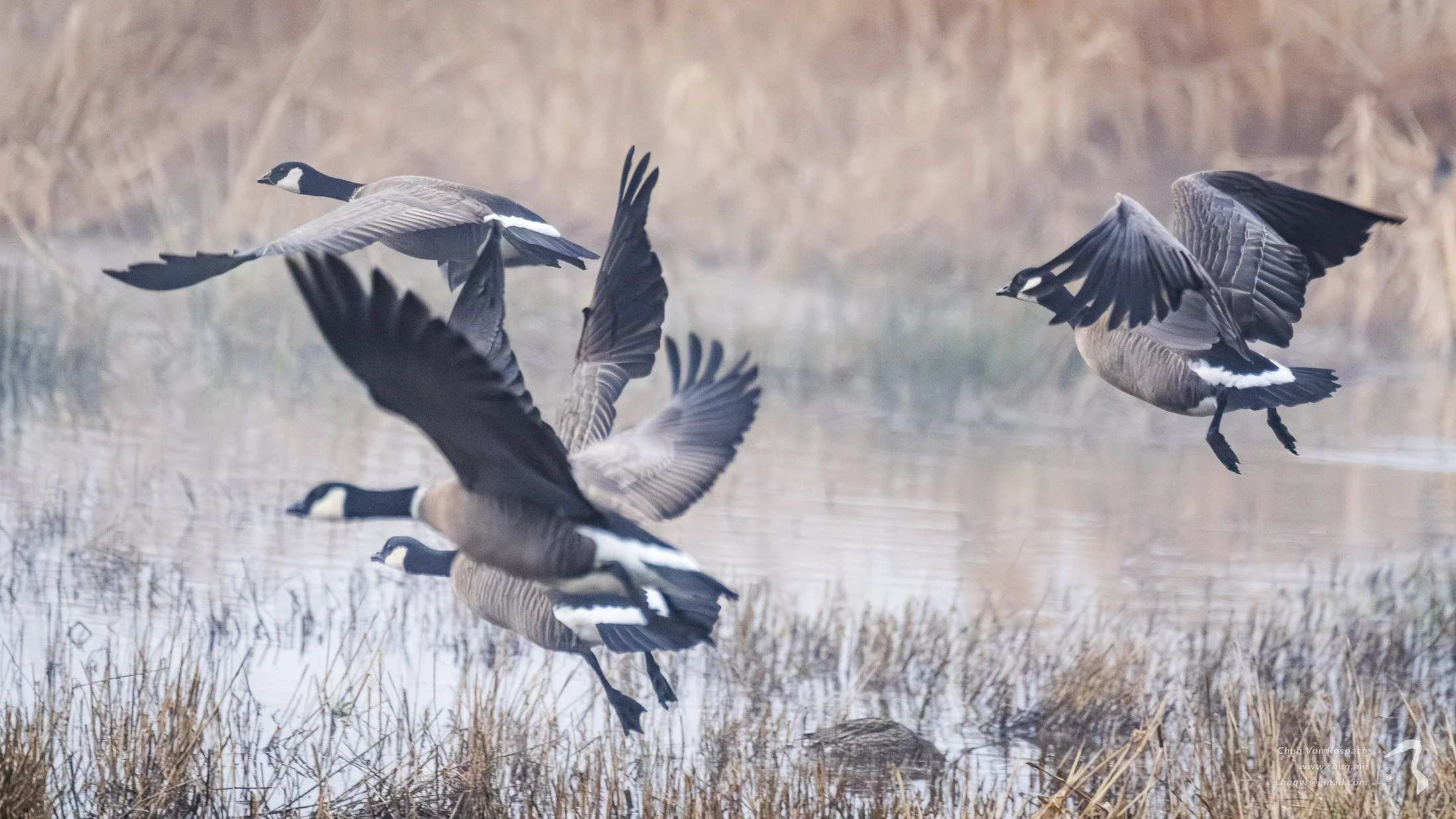
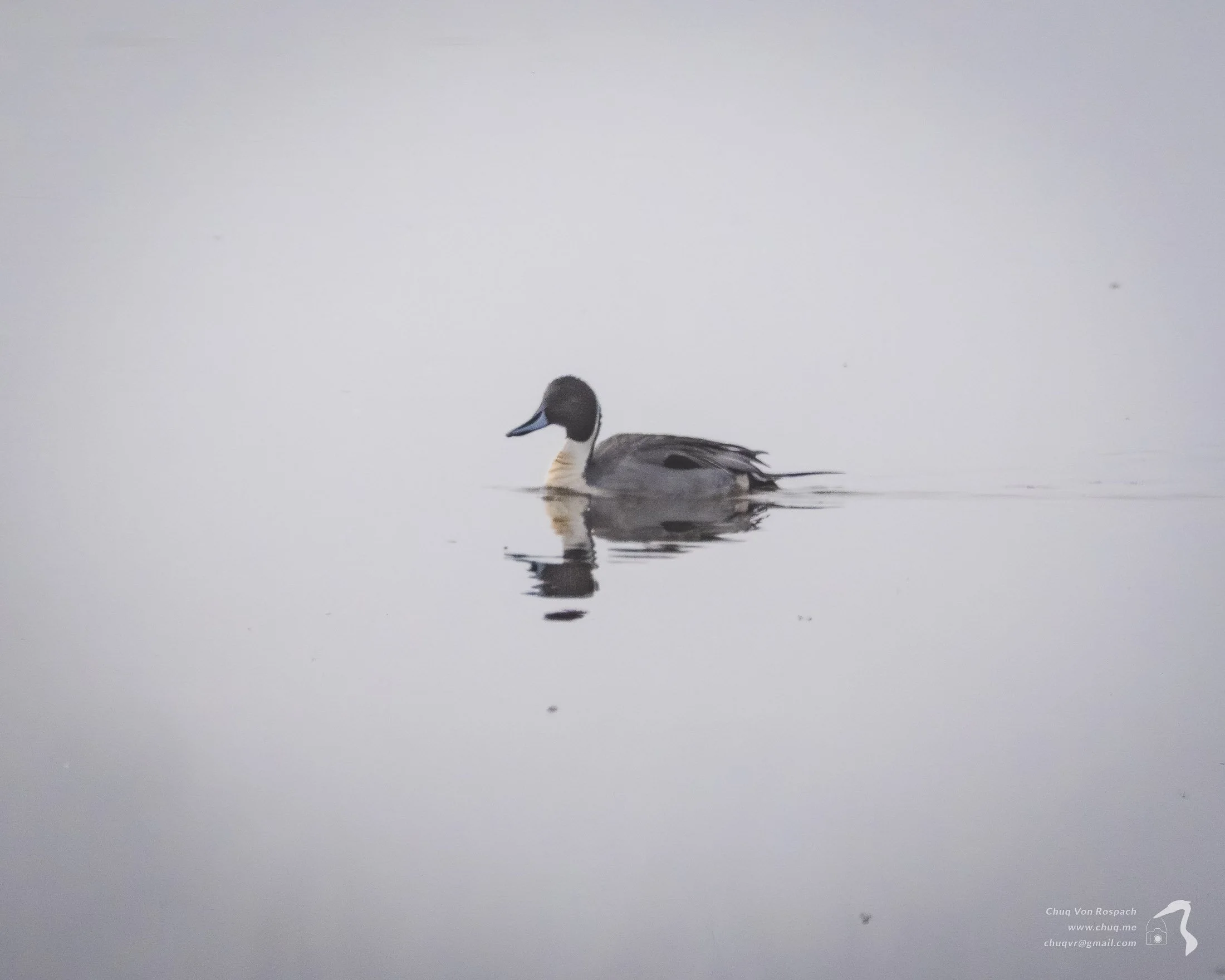
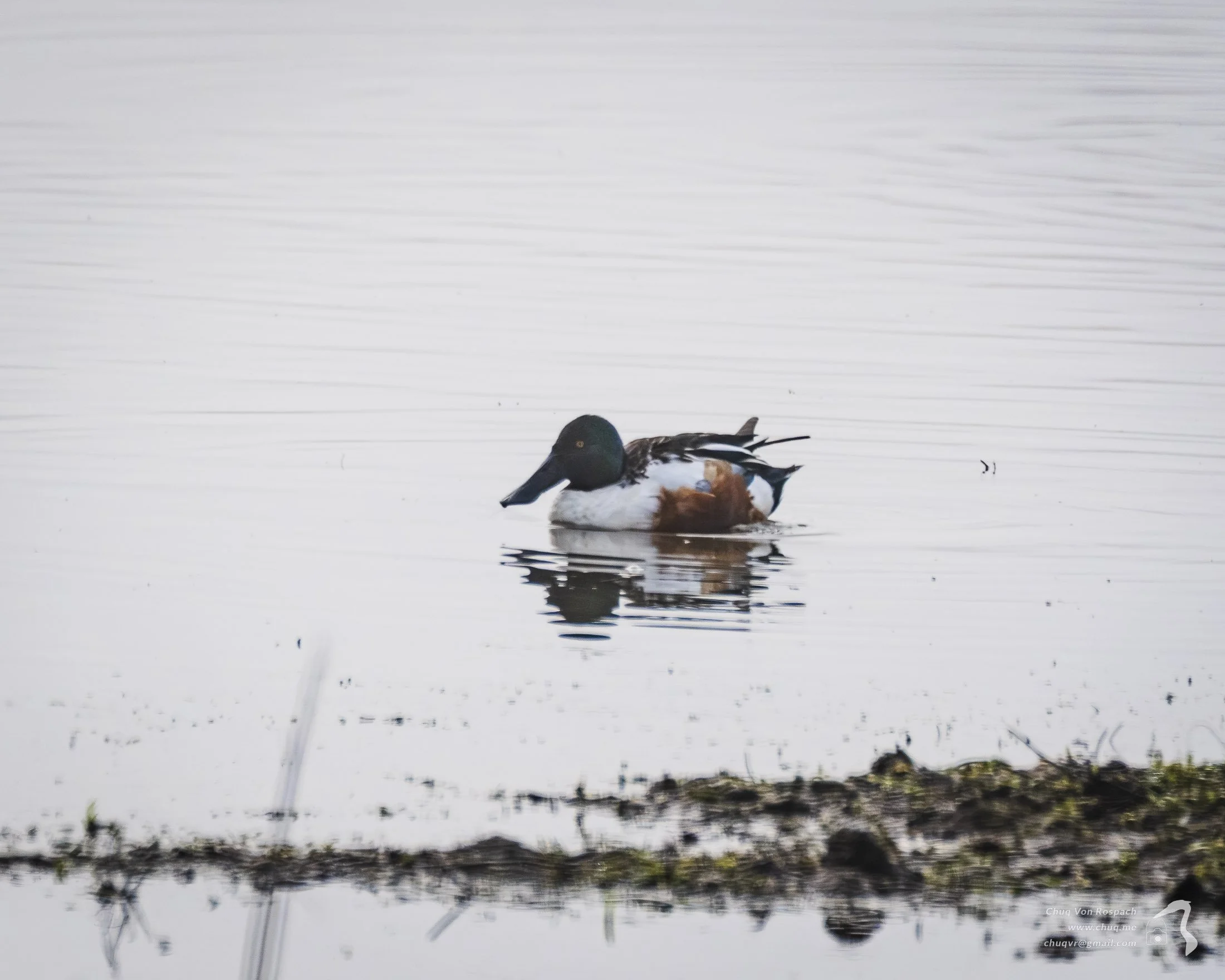
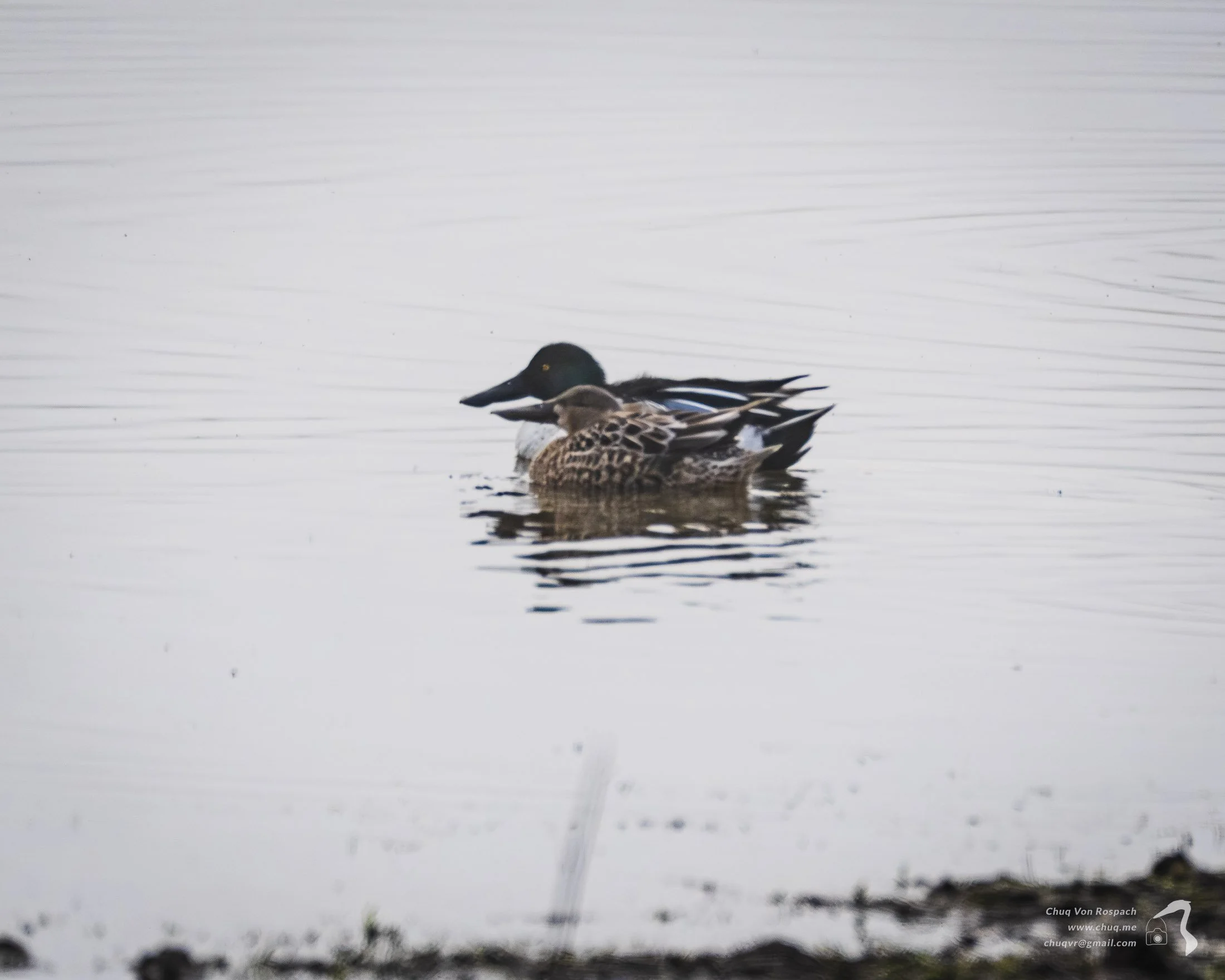
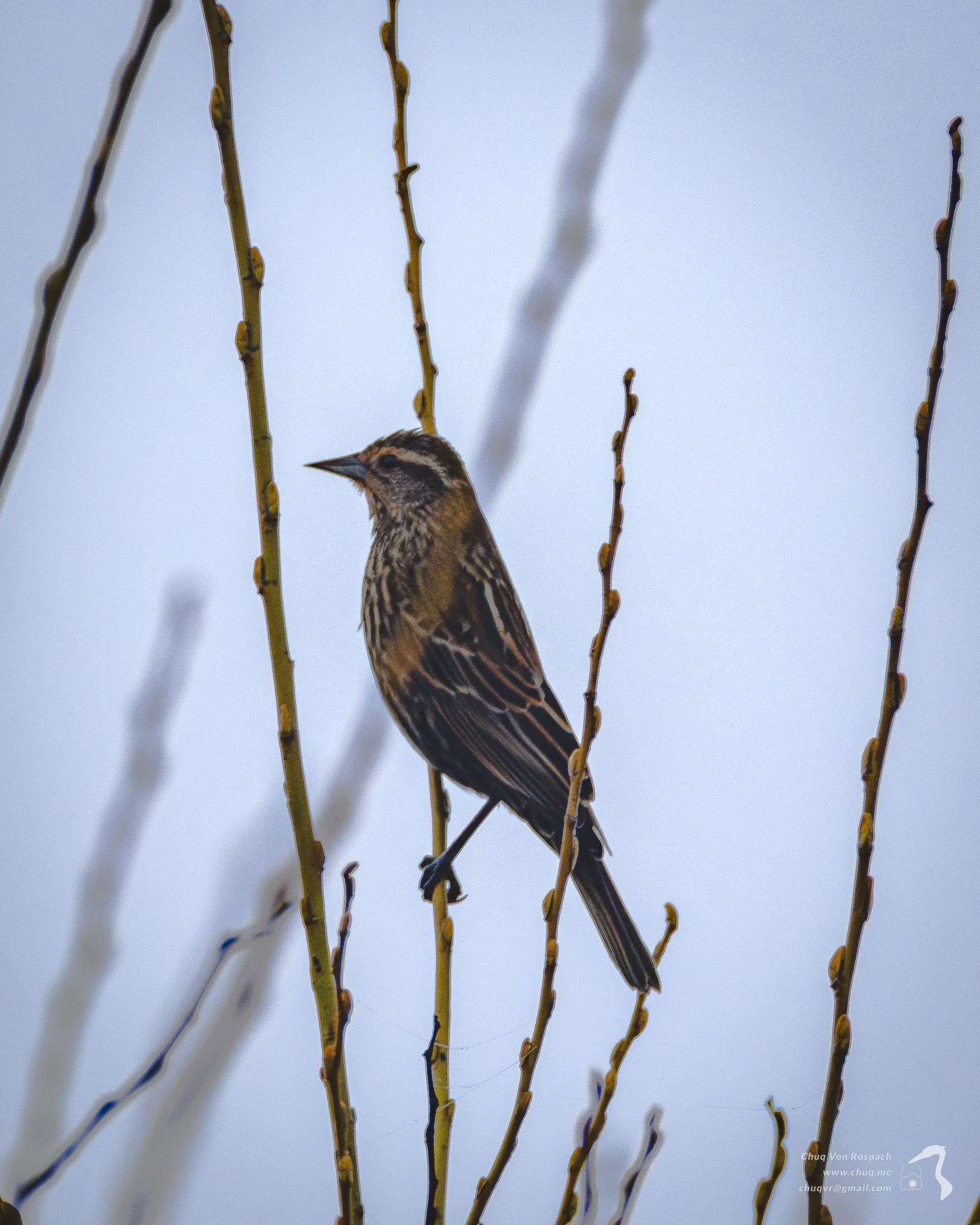
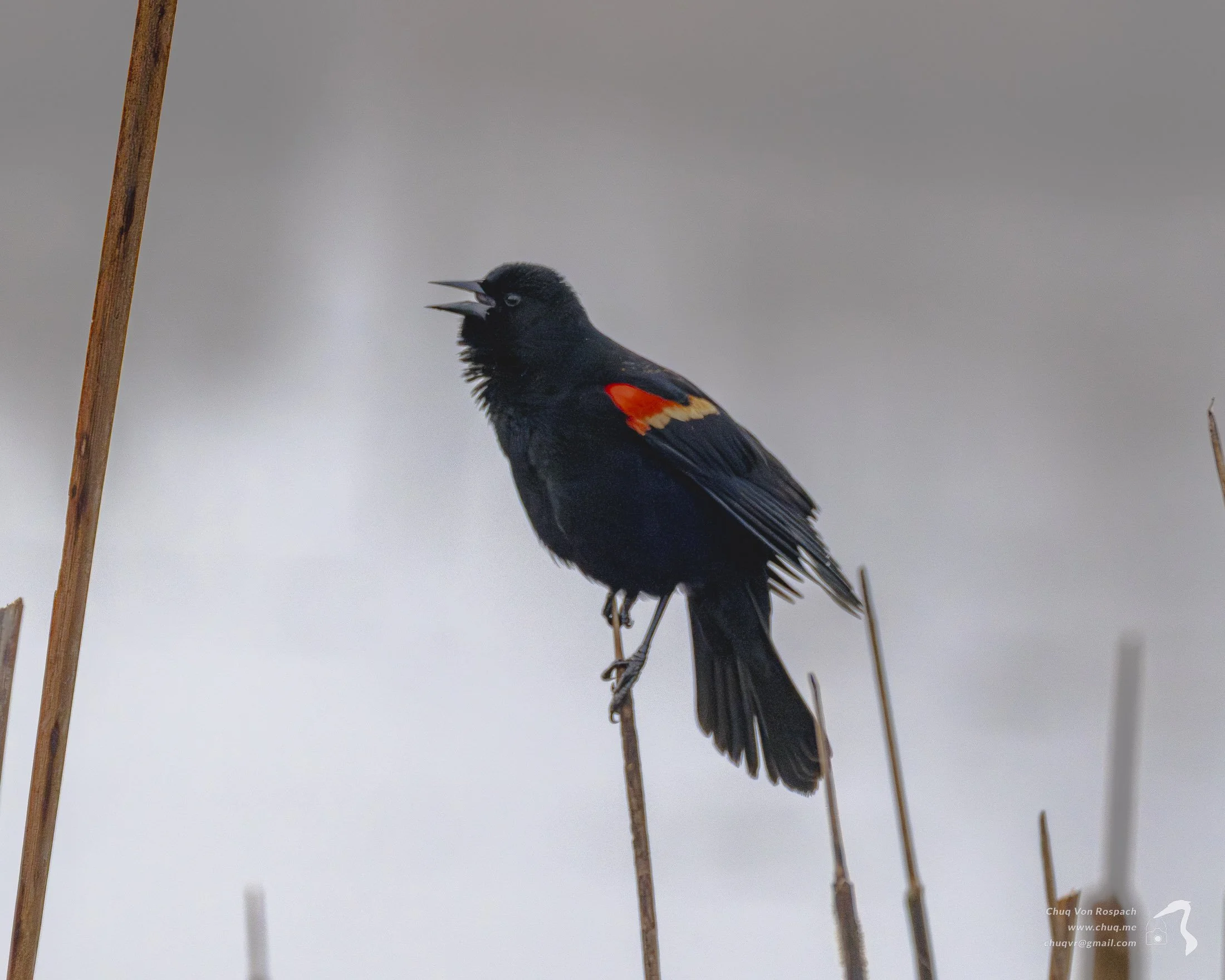
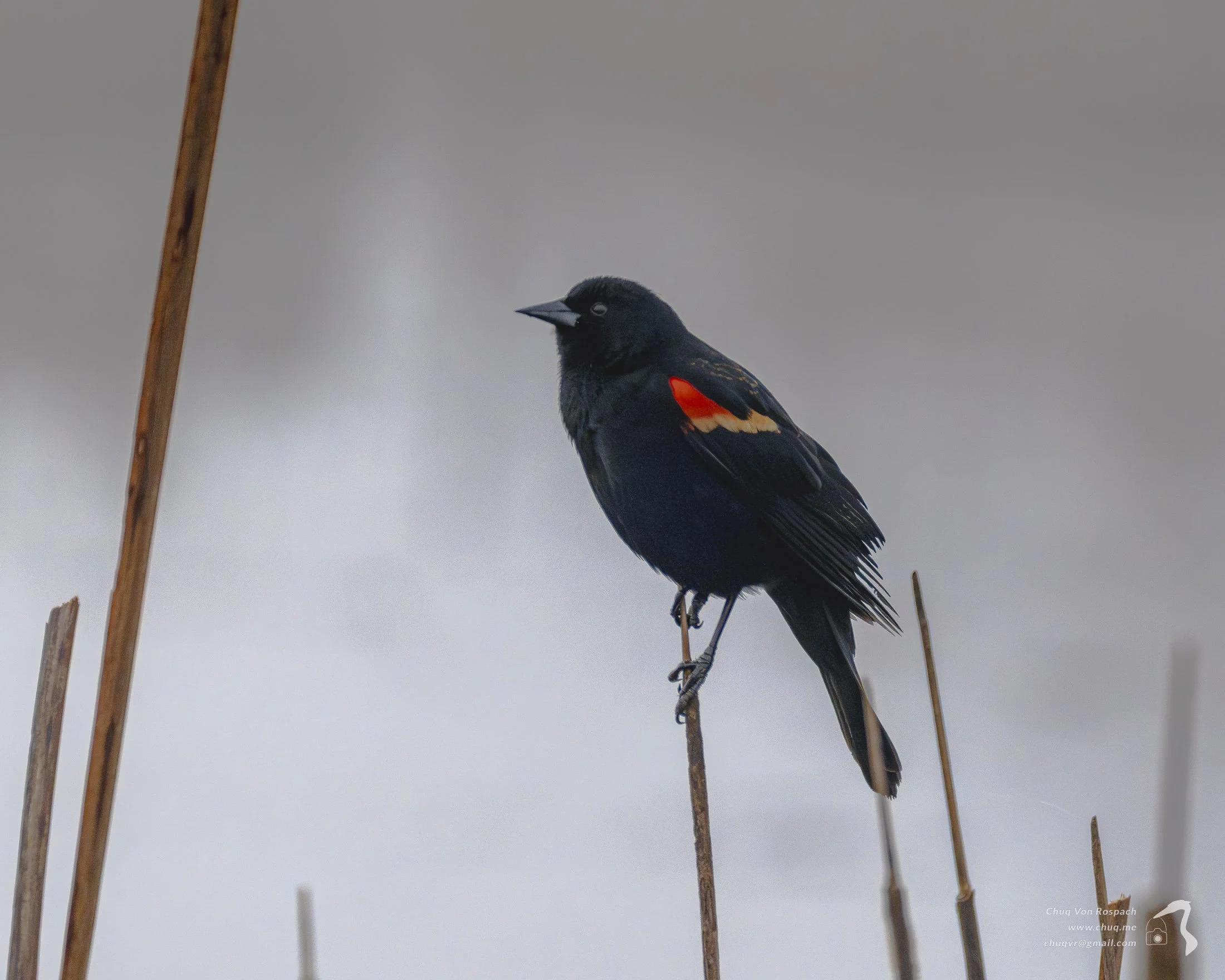
I shot over 1300 images over the two days. After culling and editing, I ended up keeping 56, which is a well above average haul for me for a trip like this, with really nice images of Red-Winged Blackbirds (heads into nesting time and territory protection, so sitting up and yelling a lot) and Golden-Crowned Sparrows and some interesting shots of what I initially thought was a Brown Creeper but realized after a bit was a Bewick’s Wren.
There are also some nice landscape/envirnomental shots using the new A6700 and the Sigma lens, the first time I really put those through their paces and I’m really happy with my decision to make this change to my kit. I really like a two camera setup for these kind of outings because having to change lenses and reconfigure settings means you lose the moment far too often. Losing that when I shifted to Sony from my Fuji setup was something I didn’t realize would be a problem until the last few months, and I’m happy to have my kit back to my preferred setup.
Overall a really good trip with strong results, both in the birding and in the photography,.